
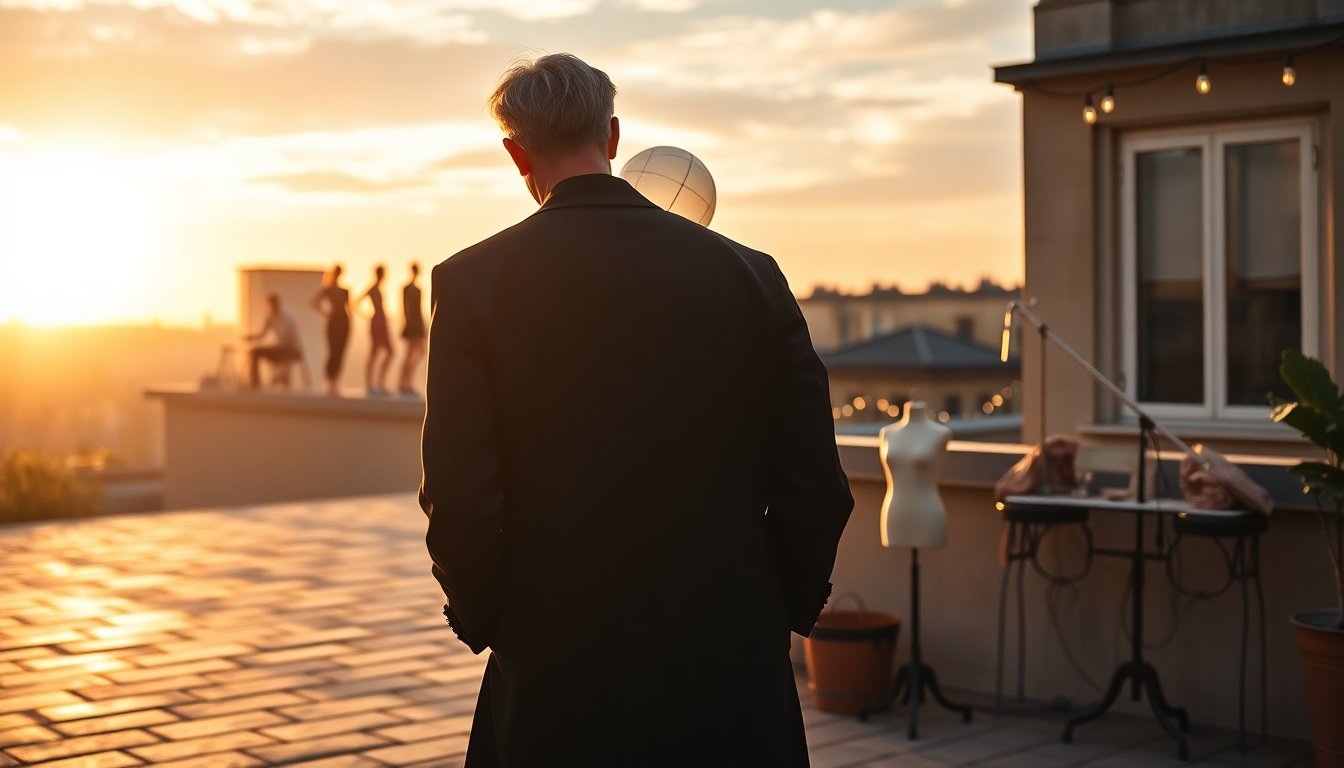
The announcement of the Time 100 list for 2026 has reignited debates about who defines cultural influence in fashion and beyond. Among the names that caught attention is Matthieu Blazy, the creative director of Chanel, whose place on the roster underlines the intersection of haute couture leadership and wider cultural reach. The list also highlights a cohort of queer figures from sport, art and politics, emphasising that influence now often runs across disciplines rather than staying confined to one arena. The editorial conversation around the list has threaded through major public moments, notably the TIME100 Gala at Lincoln Center and a string of film premieres and brand launches that doubled as fashion platforms.
Why Matthieu Blazy’s inclusion matters
Matthieu Blazy being named to the Time 100 signals more than personal recognition; it reflects how house creatives can shape cultural narratives. As creative director at Chanel, Blazy translates atelier choices into visible statements that ripple through press, retail and celebrity styling. The list — described by some editors as an annual catalogue of influential figures — often elevates people whose decisions affect both industry insiders and the public imagination. In Blazy’s case, placement on the roster highlights fashion’s power to participate in civic and cultural conversations, while also acknowledging designers as public-facing leaders rather than just behind-the-scenes artisans.
Red carpet moments at the TIME100 Gala and beyond
The TIME100 Gala at Lincoln Center on April 23, 2026 brought runway energy to a room of global figures, where signature looks read like a who’s who of contemporary design. For example, Victoria Beckham opted for a silk floor-length dress from her eponymous label, and Keke Palmer appeared in a structured Wiederhoeft corset gown paired with statement jewellery. Hailey Bieber chose a custom Calvin Klein creation in silver and lilac lace, while Dakota Johnson impressed in a Valentino FW26 gown with an embroidered cape. These choices illustrate how the gala functions as both an awards evening and a live catalogue of trend signals that stylists and brands will reference for seasons to come.
Film premieres amplifying fashion narratives
Concurrently, premieres for The Devil Wears Prada 2 provided high-profile stages for more theatrical wardrobe statements. At the New York world premiere on April 20, 2026, Anne Hathaway arrived in a custom strapless Louis Vuitton gown in the film’s signature red, while Emily Blunt favoured a dramatic Schiaparelli Couture piece with pearl jewellery. Meryl Streep wore a scarlet Givenchy cape designed by Sarah Burton. Across the Atlantic at the European premiere on April 22, 2026, Anne Hathaway chose a midnight-blue Atelier Versace gown with cut-away sides, and Emily Blunt presented head-to-toe red from Balenciaga. Simone Ashley and Lady Gaga also contributed memorable moments in Mugler, Prada and Saint Laurent respectively, underscoring how film publicity cycles and fashion houses collaborate in shaping public imagery.
Jewellery, brand events and coordinated looks
Jewellery-focused occasions like Tiffany & Co’s Blue Book 2026: Hidden Garden collection launch on April 16, 2026 offered another lens on celebrity styling. Rosé paired a white Khaite dress with Tiffany pieces on the blue carpet, while Naomi Watts accessorised a feathered and sequinned dress with a classic Tiffany blue necklace. Amanda Seyfried wore a metallic Oscar de la Renta dress, and Gabrielle Union-Wade attended alongside Dwayne Wade, both coordinated with dazzling diamonds. These moments underline how jewellery launches and curated collections become backdrop events where brands, celebrities and stylists stage cohesive visual narratives that feed fashion coverage and consumer appetite.
What these converging moments reveal
Taken together, the inclusion of figures like Matthieu Blazy on the Time 100 list and the array of high-profile red carpet looks illustrate a shifting map of cultural power. Influence today often hinges on visibility across media moments — from gala appearances to premiere nights and curated brand events — and on the ability to shape conversations about identity, taste and representation. The list’s recognition of queer leaders in sport, art and politics confirms a widening of what counts as influence, while the fashion moments demonstrate how designers and celebrities translate that influence into tangible imagery. An article noting these developments was published 24/04/2026 12:34, capturing this moment where awards, lists and red carpets intersect to narrate contemporary cultural hierarchies.


