
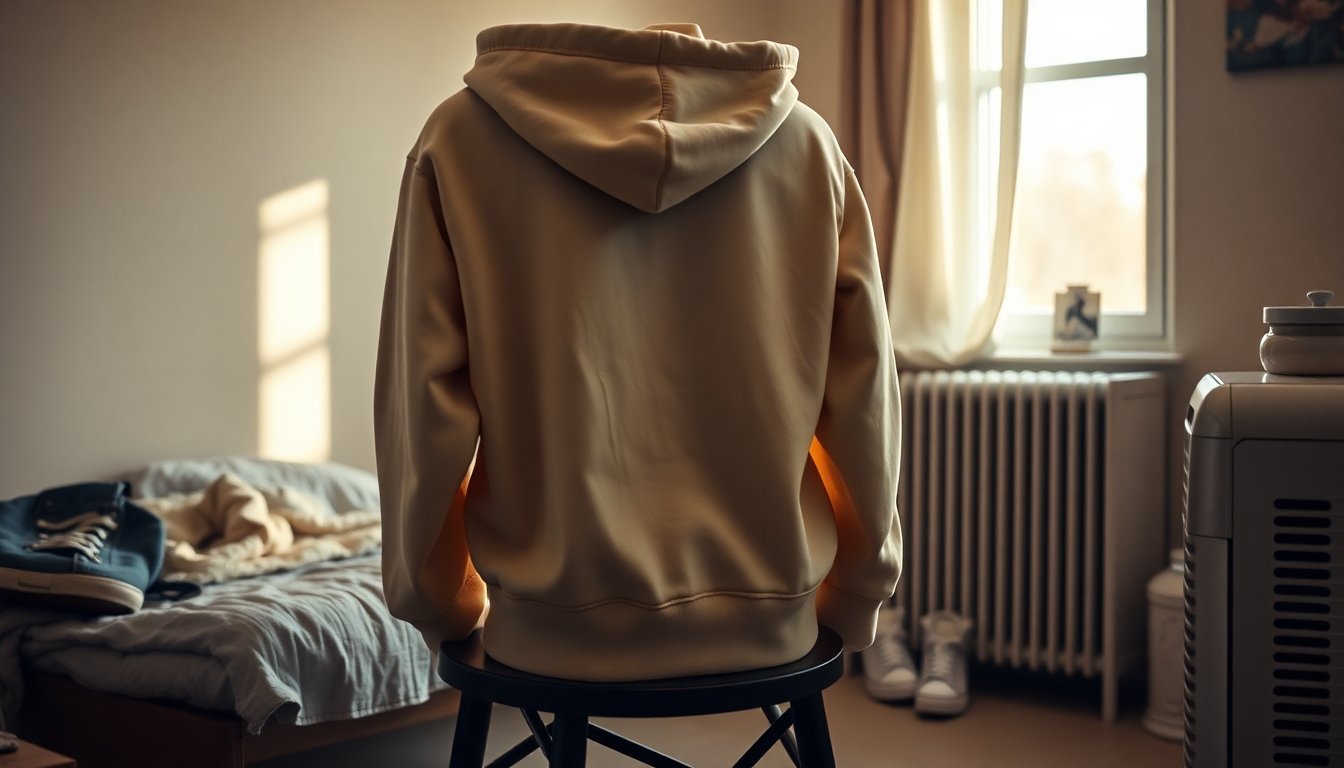
The season 3 premiere of Euphoria reignited conversations about the series’ visual choices after viewers noticed Zendaya’s character Rue wearing a Saint Michael hoodie reported to cost around $1,000, even though the episode establishes that she is financially strained and deeply in debt. On screen the story makes clear Rue owes a substantial sum—reportedly $100,000—to her dealer and has been working for Laurie to chip away at that debt for two years. That contrast between character hardship and recognizable designer clothing ignited a wave of online commentary and close visual analysis by fans.
Attention quickly spread beyond a single hoodie. Observers pointed to a patchwork jacket from the same label with a reported original price of $4,050 reduced to $2,835, and to other cast members’ luxury items: Jacob Elordi’s plaid Bottega Veneta shirt listed at about $6,080 and a brown polo from the same house priced at roughly $1,143. The episode also highlights story beats about money—Nate talking about keeping wedding costs down—while some viewers noticed the expensive designer pieces, intensifying the discussion about whether clothing choices support or undercut the narrative.
Why the wardrobe choices sparked backlash
Social media reactions ranged from bafflement to sharp criticism, with many fans asking why a character portrayed as poor would appear in high-priced labels. This strand of commentary—often framed as fashion detective posts—focuses on price tags and brand recognition, using screenshots and retail listings to make contrasts dramatic. For some viewers, the spectacle of luxury garments jarred against the intended realism of storylines about addiction and debt. Others counter that most audience members will not notice specific designer identifiers, so the clothes function more as texture than literal proof of wealth.
What the creators say about the choices
Behind the scenes, the costume department has offered intentional explanations. Natasha Newman-Thomas, the season 3 costume designer, told the New York Times that some labels were chosen to create a particular feel for characters rather than to document socioeconomic status literally. She identified the aesthetic ambition as a kind of Gonzo journalist aesthetic for Rue, and said she worked with showrunner Sam Levinson to build that visual language. Newman-Thomas also noted practical storytelling mechanics: small details like a woven leather belt or a Rolex may pass unnoticed by many characters in the world of the show but signal status to others within the narrative.
Brand relationships and costume sourcing
Some of the garments carry extra context. The label Saint Michael has ties to designer Cali DeWitt, a friend of Newman-Thomas, which influenced availability and selection. Meanwhile, Jacob Elordi’s visible use of Bottega Veneta aligns with his real-world relationship with the brand; he became a brand ambassador in 2026. Newman-Thomas has said she assembled Nate’s wardrobe before formally consulting Elordi, emphasizing that choices were driven by character intent. These connections complicate reader assumptions about why specific pieces appeared on screen.
Art, realism and the language of clothes
The debate around Euphoria highlights a broader question about how television uses fashion to communicate. Some argue that dressing a character in designer labels can undermine a storyline about scarcity, creating a dissonance that pulls viewers out of the drama. Others insist that stylized costuming is a storytelling tool: garments become symbols, mood-setters, or signals to a particular cultural conversation. Former costume designer Heidi Bivens described this perspective bluntly when she noted that the show’s departments were given license to depart from strict realism—a philosophy she summed up with an attitude of “come on, this is not reality”—suggesting that visual amplification is part of the series’ identity.
Audience interpretation and practicalities
There is also a practical dimension. Television production budgets, costume loans and brand partnerships make it possible to feature high-end items without implying the character personally purchased them. Fans’ ability to identify and price garments has turned viewing into an active, investigatory pastime, but that activity doesn’t always map to the creators’ intentions. Whether viewers see the clothing as a continuity error, an artful choice or a marketing moment depends largely on how they weigh realism against aesthetics.
Where the conversation goes from here
Ultimately, the exchange around Rue’s hoodie reflects evolving relationships between visual style, audience literacy and storytelling on prestige TV. The costume decisions in Euphoria have become part of the narrative conversation, prompting questions about authenticity, symbolism and the role of brand visibility in fiction. As debates continue online, creators and viewers alike are negotiating what constitutes believable costume work versus deliberate artifice—and how each choice reshapes the viewer’s experience.


