
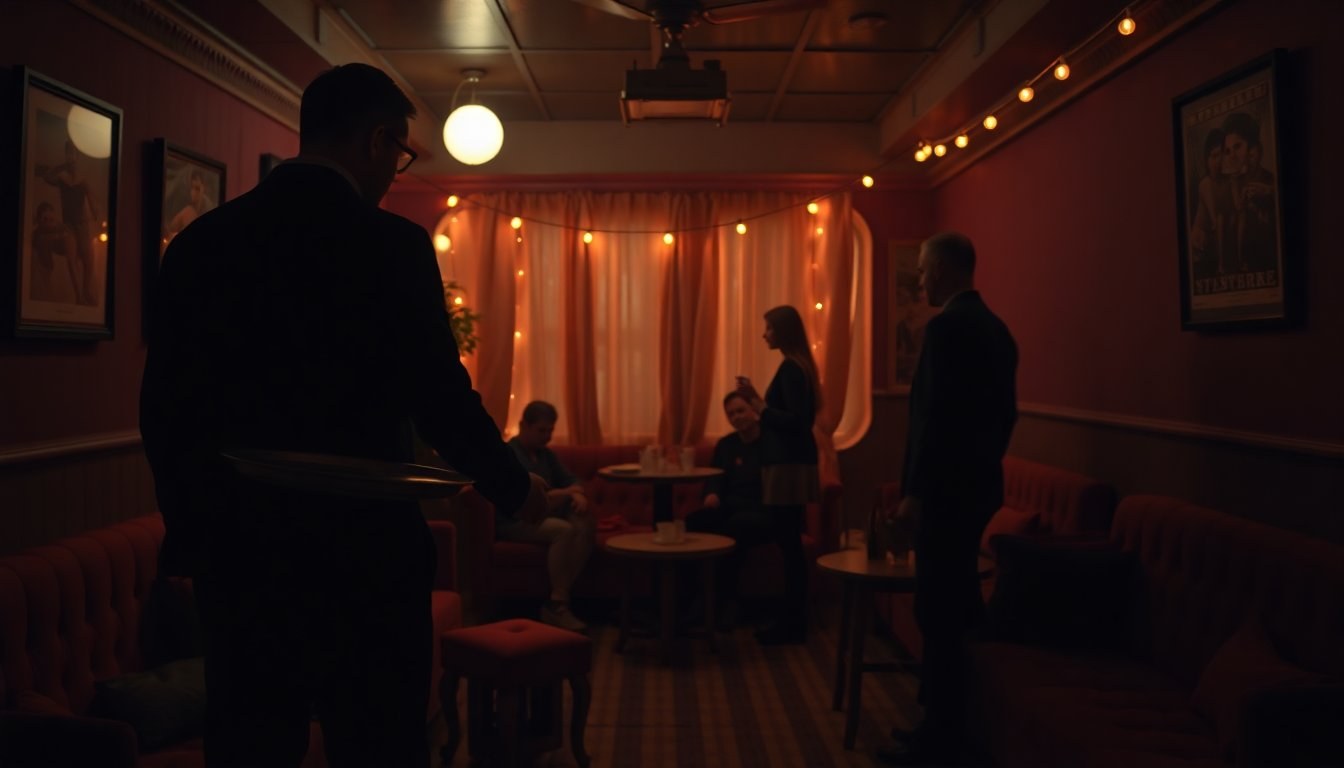
During the Avril Utile awareness month focused on chemsex, several Parisian cruising venues opened their doors to organized, drug-free group sex events. These evenings—commonly known in the scene as TouzeBio or simply drug-free touzes—aim to provide a space where participants can experience collective sexual encounters without psychoactive substances. Observers note a different atmosphere: people move and connect in the traditional way of cruising, but the social dynamics change when stimulants and sedatives are removed. Organizers and regulars describe these nights as an answer to a demand for safer, sober sexual experiences within the gay community.
These events take place in established cruising bars, including Secteur X in the Marais and the Red Zone basement room, both known to local circuits. The organizer behind the movement, a man nicknamed Mister Touze, began hosting sober gatherings after realizing that many regulars could not find group sex without the presence of chems. He started privately and then opened larger, ticketed nights; initial interest was strong, and he received dozens of inquiries that turned into a routine calendar offering. Attendance figures have grown substantially, reflecting both a visibility effect and a real appetite for substance-free encounters.
How the drug-free nights operate
On a practical level, the format mirrors classic cruising: an entrance, a cloakroom, communal rooms and anonymous encounters. What changes is the clear rule: no on-site psychoactive substances and no visible drug use. Organizers rely on pre-event messages and a simple door policy to preserve that rule while preserving privacy. The nights prioritize consent, clear communication and a culture where bodies and desire are foregrounded without chemical enhancement. The result is a shift in rhythm—participants report longer natural arousal cycles, more direct eye contact and different pacing of encounters compared with evenings dominated by stimulant-driven dynamics.
Who attends and what they say
The crowd is varied: younger explorers curious about sober sex, long-time group-sex enthusiasts, men traveling from other regions and people who have left or avoided the drug scene. Regulars include a 31-year-old named Alexis, who appreciates the easy, festive energy but had noticed how hard it was to find partners who didn’t use drugs. A 25-year-old newcomer sought the nights out of curiosity and a wish to experience group sex without substances. A man in his fifties times work trips to coincide with these events because he sees sober group sex as a rare luxury rather than the exception. These profiles illustrate why demand remains high.
Personal experiences and risks
Conversations with attendees highlight varied relationships with substance use. Some, like a 45-year-old visitor from Poitiers who never uses drugs, attend because the presence of injection or inhalation in party corners makes them uncomfortable or anxious about professional repercussions. Others are in recovery: a 38-year-old named Max reports being sober from all psychoactive substances for “two years and three months” and credits sober gatherings with helping him rebuild a sexual life that isn’t bound to chemical dependency. The events also act as harm-reduction spaces for those testing whether a night of sober sex is possible for them.
Broader effects on chemsex culture and harm reduction
Organizers estimate that a majority of attendees never use drugs at these nights, while a minority do occasionally seek respite from their usual habits. The sober nights therefore serve two purposes: they are both an affirming alternative for those who have chosen abstinence and an accessible experiment for men who want to see if pleasure can be achieved without substances. For some the evening is a turning point; for others it’s a temporary pause. In all cases, these gatherings create visible proof that collective gay sex does not require chemical stimulation and contribute to broader conversations about harm reduction and sexual health.
What this means for public health
From a public health perspective, spaces that actively separate sex and drugs can reduce immediate risks—overdoses, unsafe injection practices and impaired consent—and can support pathways toward long-term sobriety or safer use. They also normalize conversations about boundaries and consent in group contexts, and offer a low-threshold environment where people can test their capacity to enjoy sex without substances. While these events do not eliminate chemsex, they provide a pragmatic, community-driven complement to clinical and peer-support programs aimed at reducing harm and offering alternatives.


