
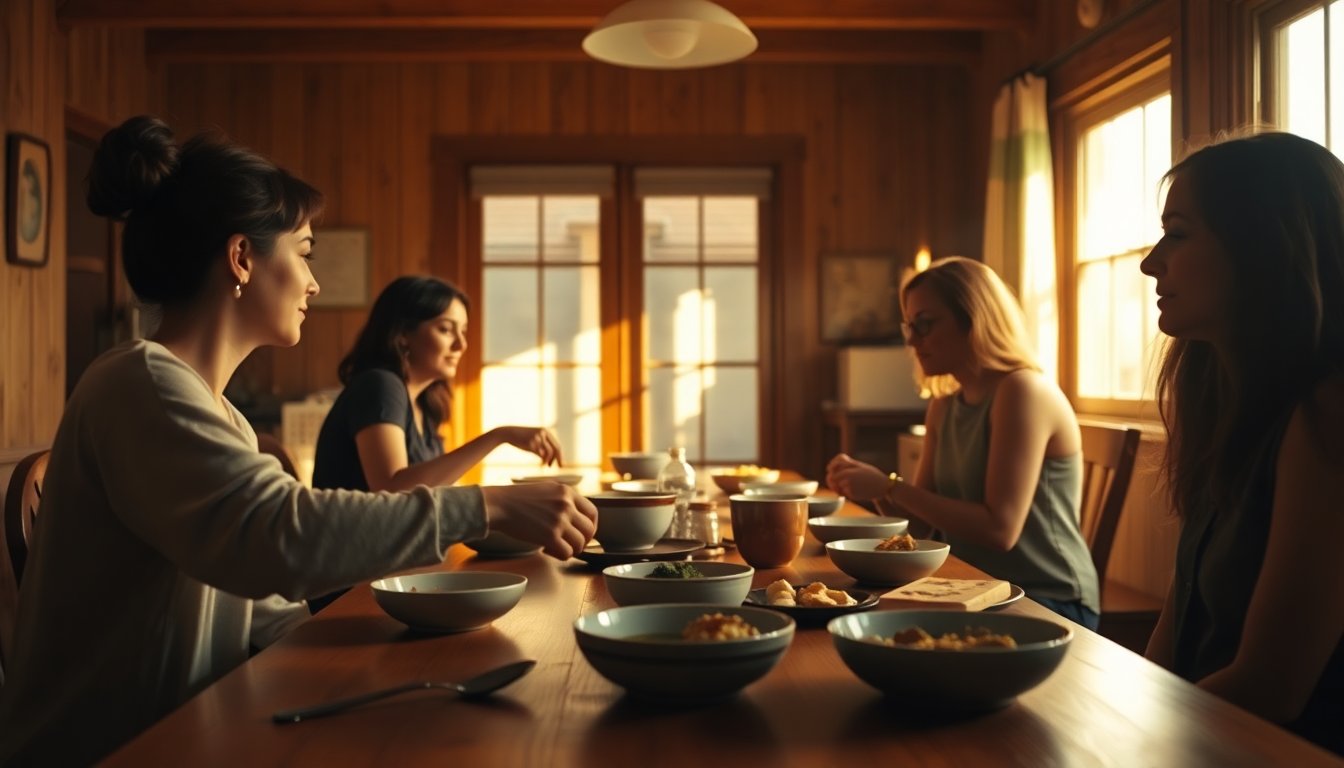
The organisation known as Queerwell began around a shared meal in 2026, born from frustration with how our community’s emotional needs were being ignored. As clinicians, activists and volunteers who have experienced mental distress ourselves, we recognised early on that personal experience alone could not fully explain the structural forces at play. We set out to see how society in 2026 understands and responds to queer women’s mental health, and our global report surfaced patterns of discrimination, gaps in care and barriers that remain largely unexamined.
This article collects four first-person narratives from Queerwell team members, each offering different perspectives: an immigrant lesbian navigating cultural silence, a senior coach focusing on influence and voice, a trans activist describing the discovery of gender euphoria, and a volunteer reflecting on rural isolation. Together these accounts show how visibility, culturally informed care and community infrastructure shape outcomes. Throughout the piece we highlight practical tools—both interpersonal and systemic—that people used to survive and to thrive.
Speaking across silence: culture, migration and recognition
For many people who move between countries, emotional distress arrives with a vocabulary problem: the words available in one language or cultural setting do not map cleanly onto another. Sharmila, a trustee at Queerwell, describes growing up in India with almost no safe language to name mental health struggles, and then finding that being a lesbian created another layer of containment. In clinical settings in the UK she experienced conditional acceptance—where her sexuality was tolerated only when it was tidy—and the common suggestions (mindfulness, leaning on family) did not fit her reality. What made a difference was access to queer-affirming groups led by people who understood migration and racialisation, and therapy that treated distress as linked to systems of power rather than just individual symptoms. These supports reframed survival as an adaptive response to being positioned between cultures rather than a personal failure.
Culturally competent care
Practical approaches that helped included clinicians who recognised intersectionality—the overlapping impact of race, gender, sexuality and migration—and services that offered linguistic and cultural flexibility. The lesson is that clinical recommendations should be adapted, not assumed. When services were tailored to lived experience, engagement and recovery improved markedly.
Visibility, influence and career wellbeing
Workplaces are battlegrounds for recognition. Grainne, who coaches senior leaders internationally, emphasises that queer women rarely lack competence; they lack placement and amplification. She advocates three interlinked strategies: cultivate a clarity of voice by stating your point early and confidently; map organisational power so you understand who makes decisions; and build networks that provide sponsorship and public endorsement. Quiet excellence alone rarely secures advancement—there must be intentional visibility. Grainne’s approach reframes visibility as a strategic tool for mental wellbeing, because being unseen at work frequently translates into chronic stress and diminished agency.
Practical visibility tactics
Specific tactics include preparing concise statements for meetings, identifying allies with positional power, and creating a small cohort of colleagues who can publicly credit your contributions. These actions reduce the emotional labour of repeated self-justification and create conditions where competence is both recognised and rewarded.
Transition, euphoria and rebuilding identity
Robyn’s story is about discovery later in life: realising she was trans at 35, a moment that produced fear rather than immediate relief because of prior trauma and instability. Over time, with therapy and supportive relationships, she shifted toward what she calls gender euphoria—the positive emotional experience that comes from expressions of gender that match one’s inner sense of self. Here gender euphoria is described not just as a physical change but as a recalibration of intimacy, self-compassion and creative possibility. Therapy helped her stop treating herself as broken and start seeing transition as a process of recovery and celebration.
Rural life and the geography of belonging
Lucy, a volunteer living in Devon, outlines a different challenge: physical isolation. Online spaces offer connection, but the local scene can be sparse, leaving many queer women without consistent in-person community. While she has been fortunate to avoid direct hostility, she notes that others in rural areas face discrimination and that a patchy local infrastructure exacerbates loneliness. Addressing urban–rural disparities means investing in outreach, funding grassroots groups and making remote services—therapeutic and social—more accessible and culturally competent.
Queerwell continues to translate lived experience into practical action: convening workshops and discussions to foster peer-led learning. Join Grainne’s workshop on 21 April (12:30–1:30pm) and a live panel with Sharmila, Grainne and Robyn on 23 April (12:30–1:30pm) at lesbianvisibilityweek.com. Find resources and community via queerwell.org.uk and Instagram @wearequeerwell. For readers who value media by and for LGBTQIA+ women, note that DIVA is now supported by the DIVA Charitable Trust, sustaining a decades-long platform for this community.


