
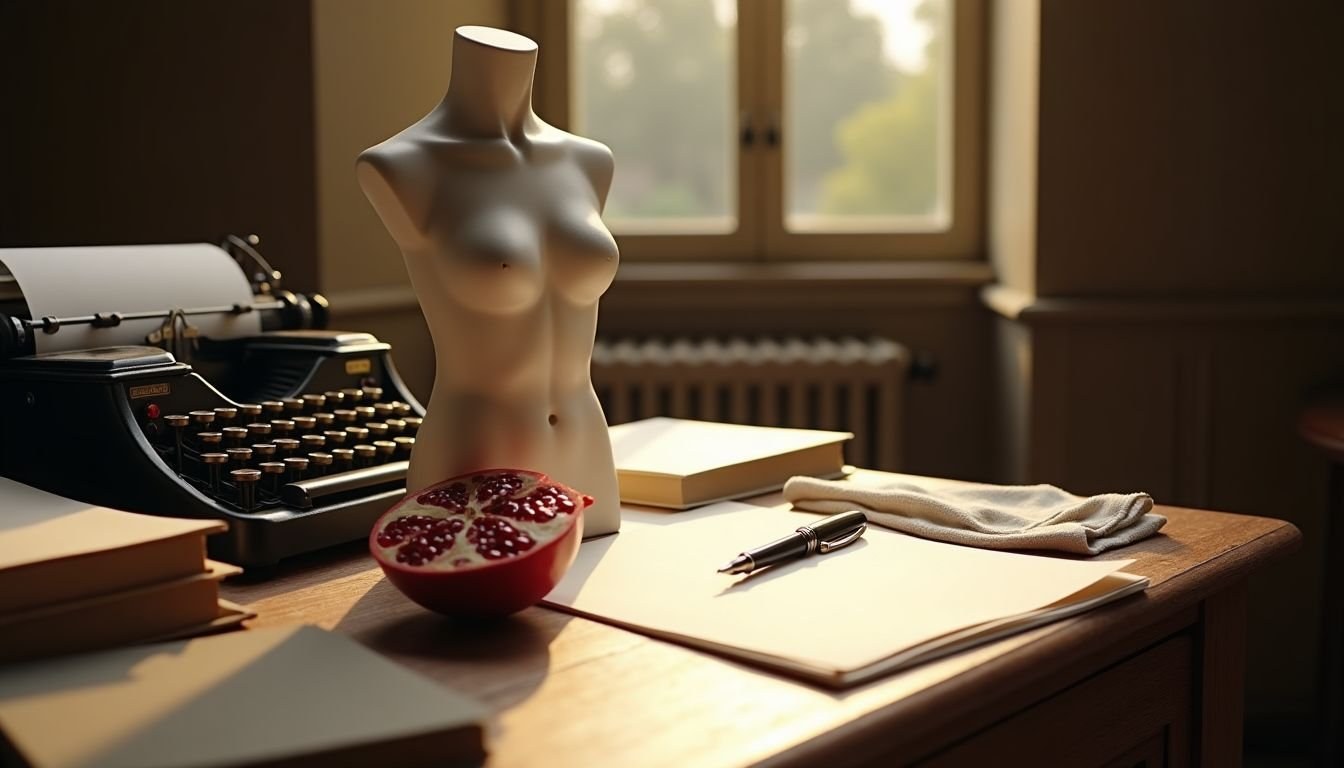
The French novelist Jean-Baptiste Del Amo has carved a distinctive place in contemporary literature by making the human body both subject and canvas. In a compact but intense career that includes six novels and several notable prizes, he has pursued themes of corporeality, desire, and the darker currents that cross physical existence. This profile appears in the spring issue of the magazine and can be found at kiosks or by subscription; published: 12/05/2026 10:44 frames the piece in its original release context. The following paragraphs unpack how a writer turns flesh into narrative and why that choice matters for readers today.
The trajectory and output
Del Amo’s literary path is marked by a steady accumulation of works that refuse a single register: each book investigates bodies but shifts tone and method. Across his six novels, the author alternates between intimate realism, raw lyricism, and structural experimentation, yet a continuous thread remains — an inquiry rooted in the bodily experience. Critics and readers alike have rewarded this rigor with awards that recognize both thematic daring and craft. Rather than repeating a formula, Del Amo builds a corpus where physical sensation, social context, and moral complexity intersect, so that form and content reinforce one another and the notion of the body becomes a lens for wider human questions.
Central themes and motifs
The body as narrative engine
At the heart of Del Amo’s work is the conviction that the body is not merely depicted but is an active narrator. He treats flesh as site and source, where memory, violence, pleasure, and shame leave traces. The writing insists on the materiality of experience: skin, pain, hunger, and physical intimacy become tools to reveal character and history. This approach places embodiment — the lived, sensory fact of being — at the center of storytelling and forces readers to confront sensations often left implicit in more cerebral prose. In Del Amo’s hands, bodily detail becomes ethical and philosophical evidence.
Contrast, shadow, and moral inquiry
Alongside tactile description, Del Amo frequently explores the shadowed dimensions of life: loneliness, social exclusion, and the persistence of trauma. These elements are not background color but structural motifs that complicate simple empathy. The interplay of tenderness and brutality, of beauty and discomfort, produces a moral texture that refuses easy resolution. Readers are invited into a space where aesthetic pleasure coexists with unease, making the experience of reading both intense and demanding. Such tension helps explain why his books garner attention in both popular and critical circles.
Style, genre, and public reception
While firmly associated with contemporary French fiction, Del Amo resists tidy genre labels. He moves between registers — sometimes the novel reads like sustained lyric prose, other times it pushes into social reportage or grotesque satire — yet the integrity of his voice remains intact. This versatility demonstrates that an author can vary form without losing the coherence of an artistic project. The presence of prizes alongside a loyal readership shows that experimentation and accessibility can coexist. The portrait in the spring magazine explores these tensions and invites readers to consider how form influences ethical and aesthetic reading.
Why the portrait matters
This long-form portrait is more than an author study: it is an argument about literature’s power to make bodies legible and meaningful. By tracing Del Amo’s methods and recurring obsessions, the article suggests that contemporary fiction benefits when writers attend to the senses and to physical histories. The piece is valuable for those already familiar with his novels as well as newcomers curious about a writer who treats the flesh as philosophical material. For readers seeking a nuanced introduction, the profile supplies context, close readings, and reflections on the broader cultural stakes of work that insists on the body as its starting point.
Further reading and access
Readers interested in exploring Del Amo’s books will find references and suggestions in the spring magazine portrait; the issue is available at kiosks or via subscription. The profile documents the arc of a singular voice and situates it within the larger conversation about embodiment in literature. Whether you approach these novels for their formal audacity, their emotional intensity, or their ethical questions, the portrait offers entry points that highlight why Jean-Baptiste Del Amo’s attention to the body continues to resonate in contemporary letters.


