
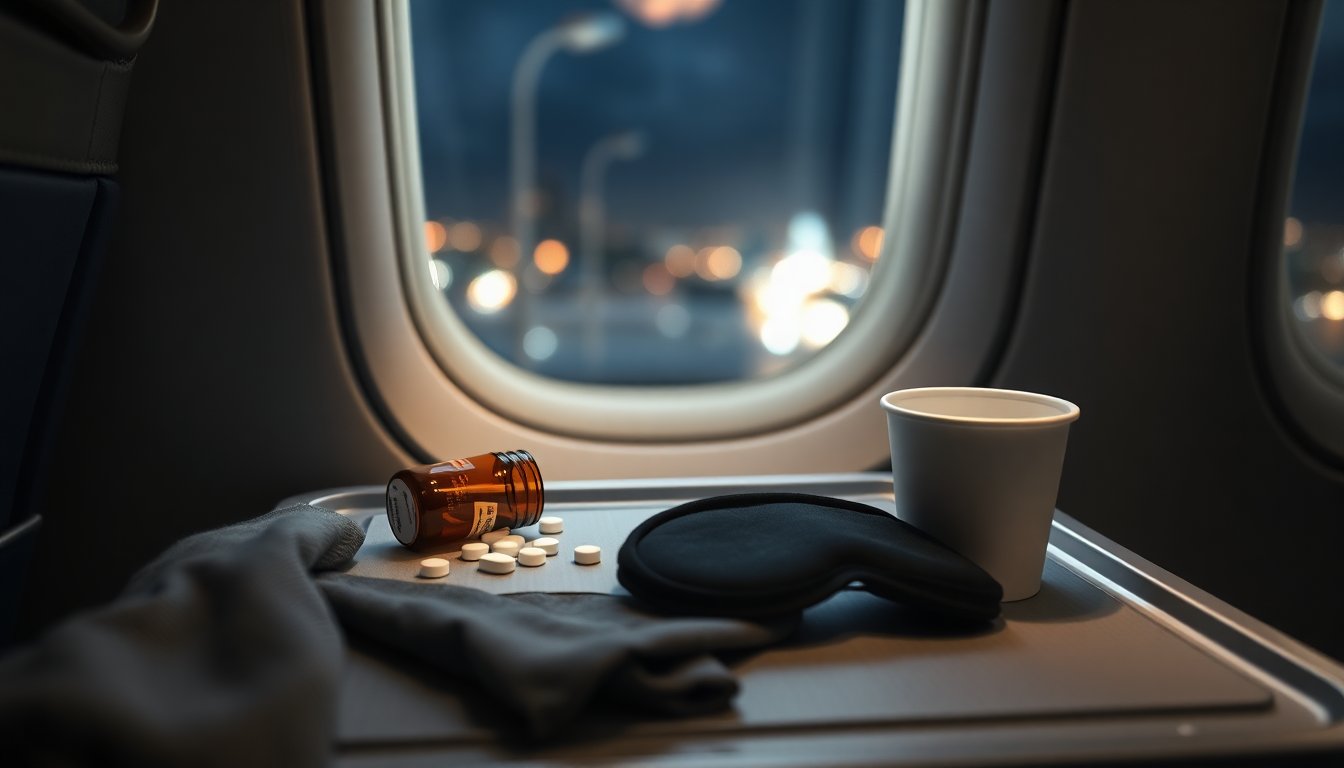
The actor Natasha Lyonne, 47, has offered a detailed account of her removal from a Delta flight that was reported to have occurred on April 7. In posts and interviews following the incident she explained that she had taken a dose of Lunesta once she had taken her seat, intending to nap on the red-eye trip. Lyonne described plans to land in New York ready for work, but said later events altered that schedule. Her version of events was shared publicly on X on April 10, and she later leaned into the episode with humor at public appearances.
The flight situation reportedly involved the plane returning to the gate after it had begun taxiing. According to multiple reports, crew members asked Lyonne to fasten her seatbelt and close her laptop; when they judged her unable or unwilling to follow those directions she was asked to disembark. Passengers experienced a delay while staff managed the situation and the captain offered an apology before the aircraft departed without further incident. The episode produced a mixture of eyewitness accounts, media coverage, and direct comments from Lyonne.
What Lyonne has said and the official response
In her public account, Lyonne wrote that she “took a Lunesta once seated, to ensure some shut eye on the Delta One red eye flight to NYC,” and said she had been heading straight to a television appearance after landing. She also suggested that ICE was involved in detaining her, a claim that drew immediate attention. A spokesperson for the Department of Homeland Security responded by saying that neither ICE nor TSA escorted or detained Natasha Lyonne, creating a direct contrast between Lyonne’s statement and the department’s comment. That divergence became one of the central talking points in subsequent coverage.
Medication, safety, and how airlines respond
The medication Lyonne mentioned, Lunesta, is a prescription hypnotic commonly used for short-term treatment of insomnia. For clarity, Lunesta here refers to a class of sleep-inducing medication that can cause drowsiness and slowed responsiveness. Airline crews are trained to assess passenger wellbeing when behavior raises safety concerns, and flight attendants or staff may request medical evaluation or ask a passenger to deplane if they appear unable to comply with safety procedures. In this case, a crew member reportedly asked if Lyonne needed medical attention before she was escorted off the aircraft.
How the events unfolded publicly
After the April 7 incident, Lyonne continued to appear publicly and addressed the episode with a mix of candor and wry humor. She attended a screening in New York on April 9 and later spoke on stage at a Planned Parenthood event, where she referenced the flight disruption in a joking tribute to the honoree. Media outlets such as Page Six, People, and E! News documented both eyewitness descriptions and her own posts on X, compiling a timeline that put her claim about taking a sleeping pill alongside reports that crew members described her as not following basic instructions during boarding and taxi.
Career context and personal history
Lyonne is widely known for roles in Orange Is the New Black and as the co-creator and star of Russian Doll, and she has a long history as a distinctive voice in film and television. Her work has connected with queer-inclusive audiences and she has appeared in projects like the cult film But I’m a Cheerleader. Lyonne has also been public about personal struggles; she disclosed a relapse after a decade of sobriety earlier in the year, sharing gratitude to recovery communities and signalling she was getting support. That background has informed public reactions, which range from concern to sympathy.
Where this leaves the conversation
The episode highlights several intersecting issues: the role of medication in travel safety, how airlines manage potentially impaired passengers, and how public figures narrate their own experiences against official statements. Lyonne’s account and the Department of Homeland Security response remain part of the record, and she has chosen to address the matter in both direct posts and public appearances. Observers and passengers alike continue to parse what happened on April 7, while journalists and commentators weigh eyewitness reports, official comments, and Lyonne’s own perspective.


