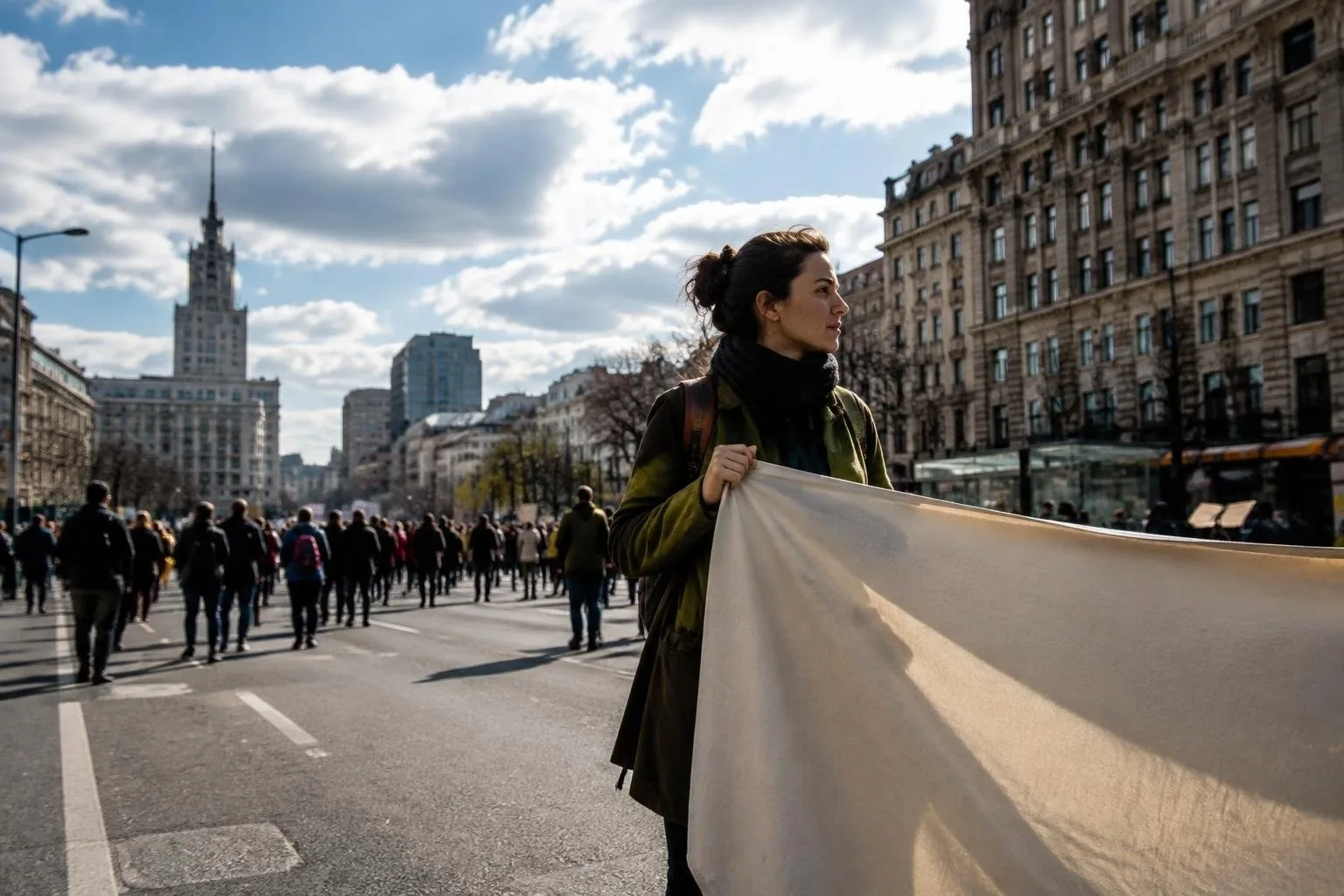
On a bright Saturday in late October, Taipei’s main arteries transformed into a moving tapestry of colour. More than 150,000 individuals – locals, expatriates, and visitors from across Asia – gathered to celebrate the 24th Taiwan Pride parade. The event, now recognized as the largest LGBTQ+ march in East Asia, combined festive spectacle with a pointed reminder of the island’s ongoing struggle for full equality.
Rainbow flags fluttered beside banners that read “Love wins” and “Equality for all”. Many participants wore elaborate costumes, from glitter-laden sequins to traditional garments re-imagined in vivid hues. Among the crowd, Filipino worker Jonel Malinao expressed his joy, saying, “It’s my first pride march and I feel proud to be here in Taiwan.” The march also featured high-profile supporters such as Vice President Hsiao Bi-khim, underscoring the government’s public endorsement of LGBTQ+ rights.
The scale and spirit of the 2026 celebration
The parade’s route wound through key districts, allowing spectators to witness a kaleidoscope of expressions. Organisers estimated that the turnout surpassed previous records, with 150,000 counted by volunteers stationed at major intersections. Corporate sponsors, including semiconductor giant TSMC, displayed their solidarity on large screens, signalling a growing corporate embrace of diversity, equity, and inclusion (DEI) initiatives.
Beyond the main event, a separate transgender march took place the day before, drawing roughly 3,800 participants. The two-day sequence highlighted the community’s desire for broader legal protections and social acceptance, themes echoed in speeches that called for stronger anti-discrimination legislation.
Recent setbacks: police raid and community response
While the atmosphere was celebratory, the LGBTQ+ community in Taiwan faced a stark reminder of lingering prejudice. Earlier in the month, police conducted a raid on a popular gay bar in the Xinyi district, detaining 51 patrons on grounds of alleged public decency violations. The operation ignited protests, with activists accusing authorities of undermining the island’s reputation as an LGBTQ+ haven.
Mayor Chiang Wan-an publicly apologized for the incident, and local media reported that several officers received disciplinary measures. Nonetheless, the episode prompted renewed calls for clear guidelines protecting queer venues from arbitrary enforcement.
Student activist Billie Chang, who attended the parade, reflected on the personal challenges that persist despite legal progress. “I came out seven years ago, but my parents still won’t talk about it,” she shared, illustrating the gap between legislative victories—Taiwan became the first Asian nation to legalise same-sex marriage in 2019—and everyday acceptance.
Regional significance and the road ahead
Taiwan’s leadership in LGBTQ+ rights has inspired neighbouring countries. Nepal followed with its own marriage equality law in 2023, and Thailand did the same in 2025. The massive turnout in Taipei therefore serves both as a celebration of local achievements and as a beacon for the broader region.
Organisers concluded the day by urging participants to keep the momentum alive, emphasizing that visibility must be paired with concrete policy reforms. As the crowd dispersed, the lingering hum of solidarity suggested that Taiwan’s journey toward full inclusion, though punctuated by setbacks, remains firmly on the march.