
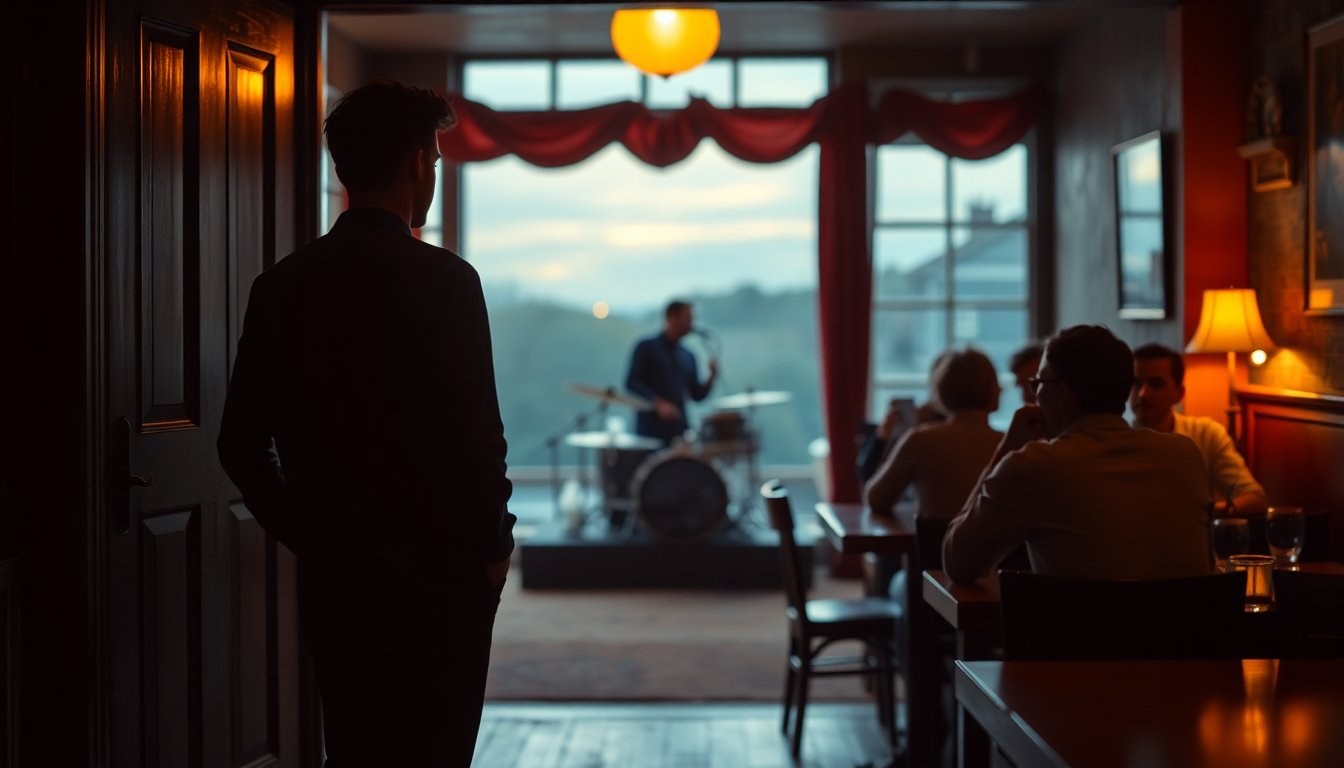
On an evening in September 1965 a nervous young man steps into a modest Walsall pub and finds a place where he can relax without pretending. That establishment, known to many as Aunty’s but formally called The Fountain, functioned as an informal sanctuary for LGBTQIA+ people at a time when public openness could be dangerous. Although the venue closed its doors in 1968, its memory has been resurrected as the central setting for a new mini opera produced by Birmingham Opera, a company that specialises in connecting classical music with local stories.
The stage work follows an 18-year-old supporter of West Bromwich Albion named Sam, who encounters casual homophobia on the terraces and goes in search of a refuge. After a match he travels to nearby Walsall and discovers Aunty’s: a warm, accepting interior where he can be himself. The production is the result of a deliberate process of collaboration: Birmingham Opera creates mini opera projects by inviting community members to help shape the narrative and music, turning lived experience into performance.
The story on stage: belonging between football and friendship
The dramatic spine of the piece contrasts the noise and loyalty of the football crowd with the intimacy of a small pub. Sam’s journey is both literal and emotional: in public he faces hostility, while inside Aunty’s he encounters people who offer connection rather than judgement. The company uses the pub as a symbol of safe social space — a location where identity can be shared without fear. By setting scenes in September 1965 and acknowledging that the original venue closed in 1968, the opera anchors historical pain and relief in a recognisable moment, while reflecting broader themes of exclusion, courage and the need for belonging.
How the mini opera was built: community first
Birmingham Opera’s mission prioritises making opera accessible across the West Midlands and co-creating with local communities. Feeling that the borough of Sandwell had been less visible in past projects, the company sought stories rooted there and proposed a piece about LGBTQIA+ safe spaces. That idea led them to contact Proud Baggies, the West Bromwich Albion supporters’ group for LGBT fans. Working together, the company ran workshops where supporters recounted memories and reflections that informed the dramatic text and musical choices.
Working with supporters
Members of Proud Baggies met with the creative team to describe how football allegiance and queer identity sometimes collided, and how places like Aunty’s offered respite. Organisers said that workshop conversations were frank and practical, and that fragments of those conversations were woven into the show’s libretto. In this way the production captures authentic language and experience rather than inventing a fictional past from scratch. The supporters’ input provided both texture and credibility to the scenes depicting camaraderie, fear and small acts of kindness.
Writing, voice and craft
The libretto was penned by mezzo-soprano Joanna Harries, who describes the process as her first experience co-creating a work from inception with a community group. With limited prior knowledge of football culture, she said she learned through listening to the group and found the collaboration uplifting. For her, the power of opera lies in the voice: the combination of sung text and music can lay bare characters’ inner lives in ways spoken drama sometimes cannot. Casting is underway and the company anticipates the first performance later in the summer, promising a show with both tenderness and grit.
Voices from the workshops and the continuing need for spaces
Participants who joined the workshops found the project meaningful in different ways. A trans woman who spoke with the team said contributing helped her place her personal struggles in a wider historical context, recognising that while society has changed, many emotional battles remain familiar. Another participant, who works in Walsall, said she had not known about Aunty’s before the project but felt the story resonated across sexual orientations, reflecting shared experiences of shame and eventual self-acceptance. A third attendee, wanting to remain cautious about visibility, described still feeling nervous about entering queer venues and understood why some people would stop before stepping inside — the fear is ordinary and ongoing.
Those memories matter because venues that once offered refuge are increasingly vulnerable to redevelopment and rising rents. Participants emphasised that physical meeting places — from small pubs to the pubs and clubs in Birmingham’s Gay Village — continue to provide vital environments where people can present their whole selves. The mini opera not only revives a local memory but also underscores the contemporary importance of preserving spaces where community can form.
Finally, this project has drawn attention from media and organisations that support queer women and gender-diverse audiences. The magazine DIVA, now organised under the DIVA Charitable Trust, remains a longstanding voice for lesbian and queer women’s culture and media. As this mini opera prepares to reach audiences, it reminds us that art can both celebrate survival and call attention to ongoing struggles for safe, affordable public spaces.


