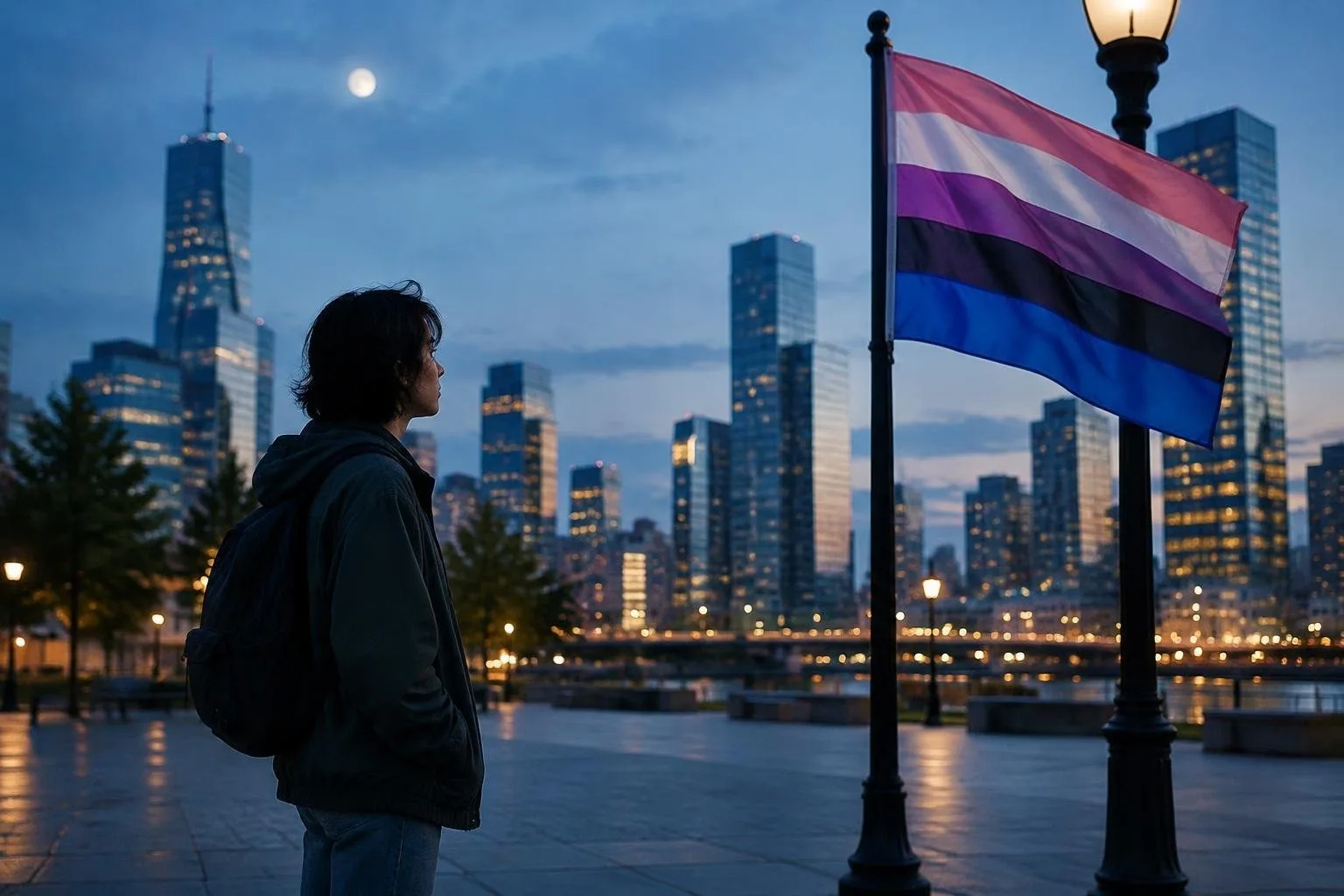
The National Museum of Colombia became the center of a national controversy after government officials ordered the removal of over 30 objects that documented the histories of the LGBTQ+ movement, feminist activism and left-wing political struggles. The purge included ephemeral items such as a Pride flag campaign posters, documentary pamphlets and a symbolic pen made from a bullet used in the signing of the 2016 peace agreement with the FARC. The museum posted a separate notice dated October 6 reporting physical damage to Fernando Botero’s bronze The Dove of Peace which conservation staff documented after a visitor knocked the sculpture while taking a photograph.
Government directive and the items removed from display
The removals followed directives from President Abelardo De La Espriella who instructed Minister of Culture Paola Holguín to prevent cultural institutions from hosting exhibits the administration considers to promote or glorify violence. Officials specifically targeted objects tied to guerrilla leaders and leftist organizing, alongside materials that represent struggles for gender and sexual rights. Among the items withdrawn were a photograph from an LGBTQ+ march, a pamphlet on women’s reproductive rights, a poster of a former guerrilla-turned-presidential candidate, and a pen crafted as an emblem of the peace process. The gallery most affected was the museum’s social and political history section, which explores processes of coexistence, resistance and revendication. The ministry framed the action as a defense of a neutral public heritage, arguing museums should not serve as platforms for political indoctrination.
Public reaction: demonstrations and police response
Within days of the removals, hundreds gathered outside the museum in Bogotá. Protesters staged a mix of peaceful performance and vocal denunciations, placing reproductions of the removed pieces along the museum facade to symbolically restore them to public view. The demonstrations escalated when law enforcement deployed water cannons, stun devices and riot gear to disperse crowds. Witnesses and participants described strong anti-censorship messaging and theatrical protest actions intended to spotlight what activists call an attempt to erase marginalized histories. Artists and curators documented stripped exhibition walls and the conspicuous absence of the affected objects, amplifying concerns about the shrinking public space for contested memories of political violence and minority rights.
Legal intervention and cultural sector backlash
In response to the uproar, a Bogotá judge ordered the government to protect the removed artifacts and to halt further withdrawals while the judiciary decides whether the objects should be returned to public display. The court emphasized the potential infringement on citizens’ rights to free expression and collective memory. Meanwhile, directors of major modern art museums across several cities issued a joint statement expressing alarm over the removals, arguing that cultural institutions have a duty to present the complexity of the nation’s past, including episodes that make audiences uncomfortable. Independent curators and gallery leaders warned that suspending cultural programs and rescinding funding for creative initiatives constituted a broader rollback of cultural rights for communities historically kept at the margins.
Artists, symbolism and the likely repercussions
Many in Colombia’s creative community framed the removals as a form of censorship that risks amplifying, rather than erasing, the contested narratives it targets. Curators pointed to past episodes—where attempts to whitewash public memory have instead sparked renewed visibility for suppressed messages—as evidence that the move could backfire. For artists who produced or curated the affected works, the incident resonated beyond institutional policy: it touched on how societies negotiate representation, memory and the aftermath of armed conflict. The episode has already prompted public debate about the role of museums in preserving difficult histories and about who gets to decide how national memory is displayed.
Institutional silence and trust in cultural stewardship
The museum itself has largely refrained from public comment about the removals; press queries were redirected to the Ministry of Culture. That vacuum of institutional explanation has only deepened public suspicion. Culture sector leaders and affected communities are demanding transparent technical criteria for any future changes to exhibitions, citing the suddenness of the recent rearrangements. The legal order to secure the items provides a temporary safeguard while the courts assess whether the removals were lawful and whether the museum’s mission to conserve and present diverse histories has been compromised.
The controversy touches on enduring questions about memory, representation and state power in cultural spaces: who should curate national narratives, how painful or divisive episodes should be exhibited, and what limits, if any, governments may place on the public display of politically sensitive objects. For now, the removed artifacts remain in protected custody as legal and civic debates continue.