
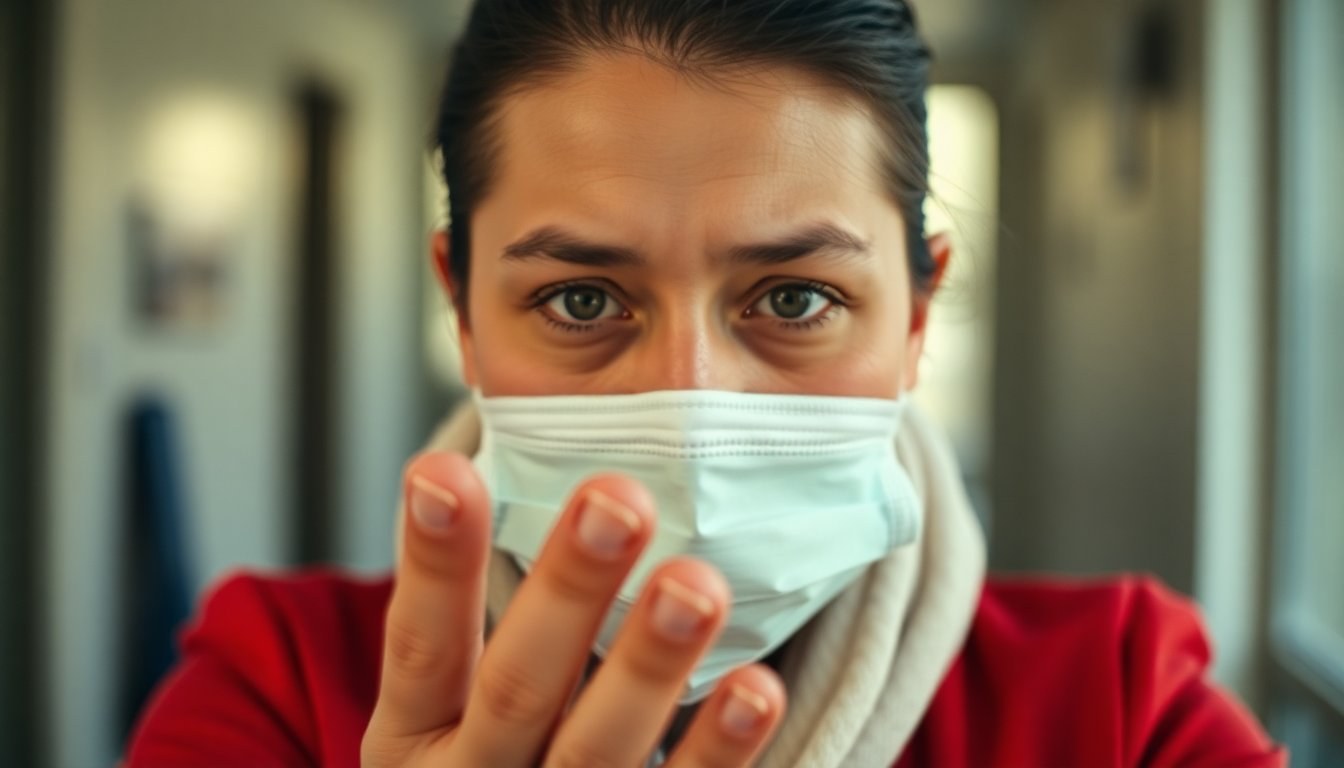
The movement of drug-free group sex has been gaining attention in parallel to conversations about chemsex. In spaces where men meet for group encounters, organizers are now promoting gatherings described by participants as bio orgies. These events explicitly ban psychoactive substances and emphasize consent, boundaries and collective care. Framed during the Avril Utile awareness campaign, this approach aims to reduce the risk of substance dependence while preserving sexual freedom and pleasure. Illustration credit: Laurier The Fox for têtu. Published 01/05/2026 15:46.
Those who attend these gatherings often explain a desire for clarity and control: clear-minded intimacy, fewer unpredictable behaviors and a lower chance of harm linked to intoxication. Organizers set simple rules, relying on peer agreements rather than formal surveillance. For many participants the experience is about reclaiming embodied consent and mutual respect, turning traditionally anonymous cruising spaces into intentionally managed environments. The term bio orgy used by attendees signals both a playful rebrand and a firm stance against the normalisation of stimulant use in sexual settings.
What the bio orgy label means
At its core a bio orgy is a group sexual encounter where drugs are prohibited and organizers foreground safety practices. While chemsex refers to sex that takes place under the influence of drugs such as methamphetamine, GHB/GBL or mephedrone, the bio orgy rejects substance use as part of the event’s culture. Instead, these gatherings promote sober socializing, explicit communication and often structured entry procedures. Participants and hosts describe the format as a pragmatic experiment: to test whether group sexual pleasure can thrive without psychoactive enhancement while keeping the scene accessible to those who want intimacy without the risks of addiction.
Why this trend is emerging
Several factors drive the rise of drug-free group sex. For some, previous negative experiences with chemsex—including psychological dependence or unsafe situations—motivate a search for alternatives. For others the appeal is communal: creating a scene where people look out for one another, enforce consent and reduce stigma around asking for boundaries. Public health campaigns such as Avril Utile have helped bring resources and conversations to the fore, and activists argue that offering clear, drug-free options is part of a broader harm reduction strategy. In short, the trend reflects both personal recovery goals and collective attempts to reshape nightlife culture.
How organizers run drug-free cruising events
Practical measures vary but certain patterns repeat: published rules, volunteer stewards, quiet entry checks and visible messaging that the event is drug-free. Hosts often circulate codes of conduct that emphasize consent, respect for boundaries and immediate support if someone feels unsafe. Some venues add basic safety resources such as water, condoms and information about testing services. The aim is to make cruising spaces predictable and supportive without policing sexuality itself. Organizers balance discretion with safety, using peer-led systems to intervene when a situation escalates rather than relying solely on security or formal enforcement.
Health and community impact
From a public health perspective, offering sober alternatives complements existing interventions: outreach teams can connect with participants to provide testing, mental health referrals and information about harm reduction. By reducing the centrality of drugs in some scenes, these events can lower immediate risks such as overdoses or unsafe sexual practices under impairment. Community members report that drug-free gatherings can rebuild trust among attendees and open space for conversations about long-term well-being. Nevertheless, hosts and health professionals agree that drug-free options are not a panacea but one element in a layered response to the harms associated with chemsex.
Where to get support and more information
Those interested in alternatives or seeking help can contact local sexual health clinics, harm reduction organizations and community-led groups that participate in awareness initiatives like Avril Utile. Many cities have outreach teams that provide testing, counseling and nonjudgmental advice about substance use and sexual health. For people who want to attend or help organize drug-free events the best practice is to collaborate with experienced peer networks, distribute clear rules and ensure referral pathways for medical or psychological support. Building safer scenes requires both community will and accessible health services.


