
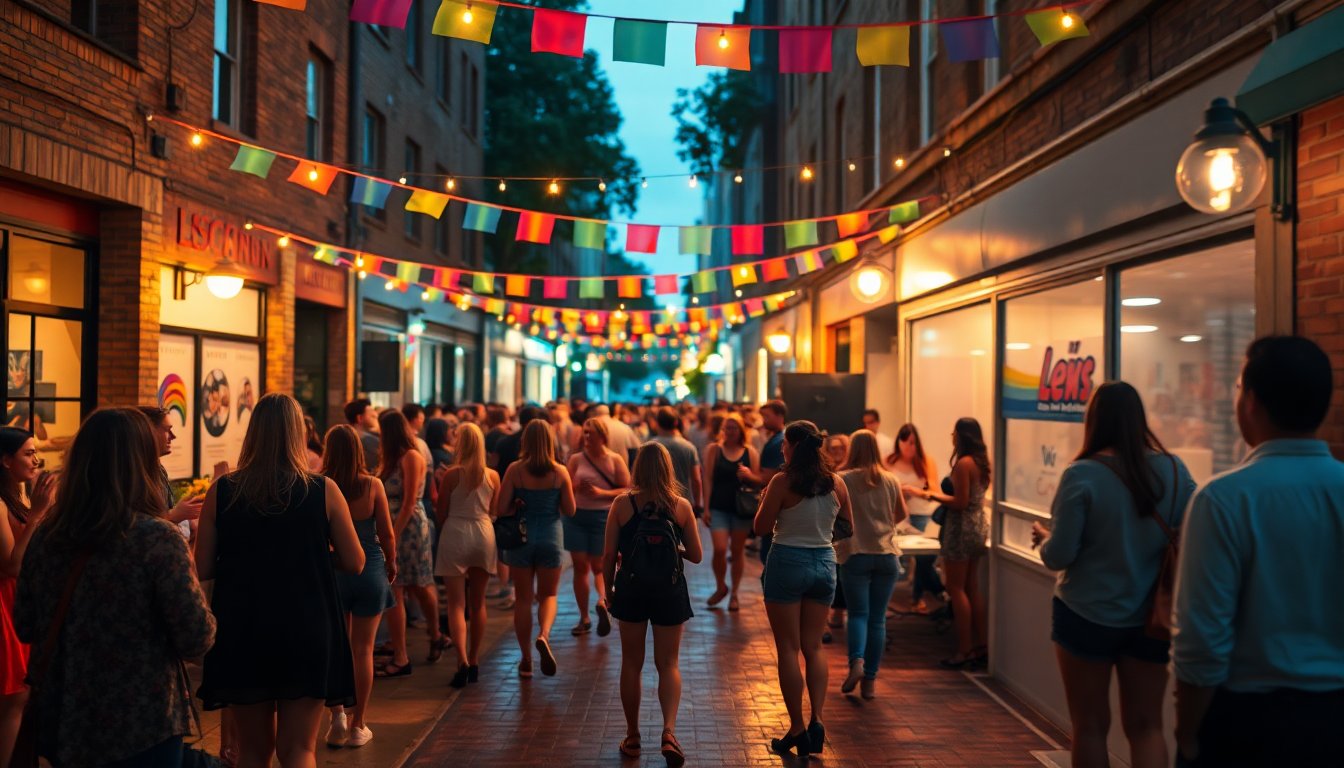
The return of Lesbian Visibility Week has prompted a wide range of activities across Australia, from grassroots drop-ins to panel discussions and club nights. This piece offers a practical guide to what to expect in different cities while also placing local events in a broader context. For clarity, Lesbian Visibility Week is a named period used by organizers to focus attention on lesbian identities and histories, and internationally it is celebrated from 20-26 April, with local programs varying by community and city.
Across neighbourhood halls, university spaces and nightlife venues, organisers are prioritising community connection and access. Some activities are intentionally low-key — creative workshops and social walks — while others are larger and louder, such as cabaret-style nights or curated panels. If you plan to attend, check event pages and community notices, and consider that many groups welcome volunteers and last-minute contributors. The list below highlights confirmed programming, and readers are encouraged to share missing listings so organisers can expand community reach.
National snapshot
Programs around the country blend celebration with support services and cultural showcases. In many places the focus is on visibility through storytelling and wellbeing initiatives, reflecting this year’s international emphasis on health and community care. Regional towns frequently host informal meet-ups and catch-ups run by local volunteers, while capital cities offer a mix of formal and informal events. If you are seeking specific activities, local LGBTQIA+ centres and social pages remain the most reliable sources; organisers often update listings as venues confirm dates and capacities. Expect an evolving program that balances public celebration and quieter community care.
City highlights
Melbourne
Melbourne’s program pairs movement with creativity: a community walk and social hosted by LesbiRun and Thorne Harbour Health offers an accessible way to mark the occasion in Fairfield Park, described as a gentle, sociable event open to many fitness levels. Complementing that is a collage workshop on creative identity exploration, an artist-led session letting participants play with materials and personal narratives in a welcoming room. Both events emphasise low pressure and connection rather than performance; they are ideal for people who want to reflect, meet neighbours and make art in a communal setting without the expectations of a night out.
Brisbane
In Brisbane the program foregrounds movement and social time with a pride run and hang advertised through local Meetup channels. Presented as an inclusive activity, the run invites participants of varying abilities and pivots quickly to social time afterwards so the emphasis is as much on conversation and connection as it is on exercise. These formats are popular because they create an easy context for meeting people without the formality of panels; organisers recommend checking the Meetup listing for precise start points and any weather-related updates before attending.
Adelaide
Adelaide’s schedule includes a mix of playful creativity and nightlife. A drop-in bedazzling station run by the Flinders University Queer Collective will take place on Friday, April 25, 11am–2pm at Club Space, Level 1, The Hub, Bedford Park Campus, offering a low-pressure, sparkly way to mark visibility day. There are also social nights that combine climbing and cocktails presented by Two Lips, a women-only dance night at Diverse-City on Tuesday, April 28, 7pm, and a larger community gathering billed for Saturday, May 16, 7pm at Some Where House. These events are framed as safe, welcoming environments for queer women and non-binary people.
Global leadership and history
Lesbian Visibility Week began as an initiative by inclusion advocate Linda Riley and has grown into an international movement that highlights leadership, health and solidarity. Historically, many lesbians organised critical care during the HIV/AIDS crisis, an act of solidarity that shaped community responses and helped secure a place for lesbian voices within the broader LGBTQIA+ movement. Contemporary celebrations often lift up this legacy while drawing attention to ongoing issues like health equity and social inclusion; the movement’s global roster includes advocates across human rights, business and politics whose work helps shape policy and cultural conversation.
Examples of globally recognised figures who represent the range of leadership celebrated during the week include human rights advocates such as Aderonke Apata and Alice Nkom, regional organisers like Jean Chong and Kasha Jacqueline Nabagesera, business leaders such as Arlan Hamilton and Beth Ford, and political figures including Janet Rice and Tammy Baldwin. Highlighting these names underlines that lesbian and queer women’s leadership spans courts, parliaments, startups, nonprofits and grassroots community spaces — an important reminder of the diverse ways visibility translates into impact.
If you know of an event that should be on local listings or wish to share updates, organisers often collect submissions via social channels and community pages. For ongoing coverage and regional listings, refer to local LGBTIQA+ outlets and community noticeboards; many groups also post updates on Facebook, Twitter and Instagram. Whether you choose a loud celebration or a quiet workshop, the core of the week remains creating space for joy, history and mutual care within the lesbian and broader queer communities.


