
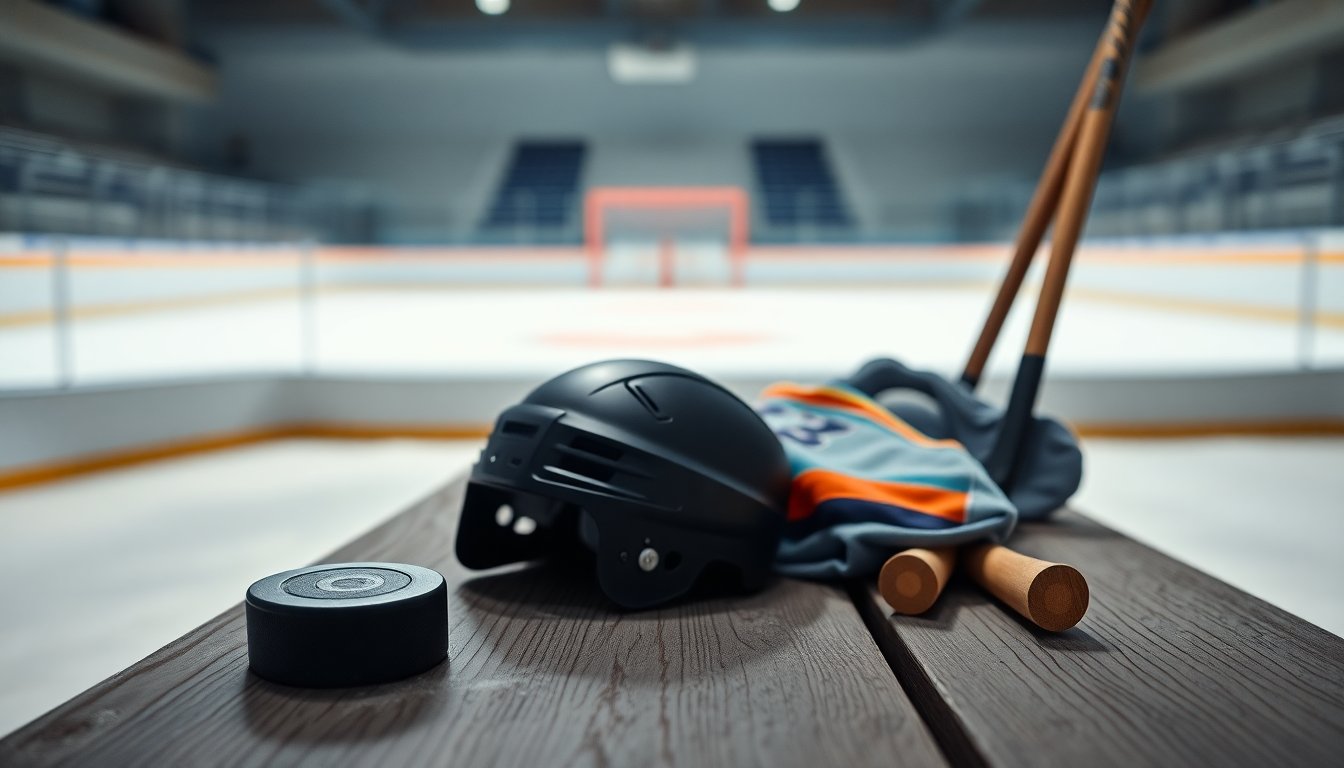
The Melbourne ice at IceHQ will host Queer Clash, a national LGBTQIA+ ice hockey tournament that prioritises inclusion and community connection over hyper-competitive spectacle. Players have travelled from across Australia and internationally — including Singapore and New Zealand — to skate in a weekend packed with a festive draft tournament, mixed-skill matchups, an all-star showcase and a Friday night jersey reveal. The event intentionally blends social celebration with meaningful outreach, using the sport as a stage for visibility, allyship and fundraising.
Although televised moments of queer sporting power inspire many, the reality is that grassroots teams and tournaments are where long-term belonging happens. Over the past seven years, community teams have formed in cities around the country: Melbourne’s Southern Lights began in 2019, Sydney’s Harbour Lights formed in 2026, and Canberra’s Capital Riot launched last year. Those clubs—and newer visitors—will converge on Melbourne for a weekend that combines on-ice joy with chances to learn about and support intersectional causes.
A festival built around sport, celebration and purpose
Queer Clash is not a standard league fixture. Instead it is a deliberately structured event that layers play with education and fundraising. The tournament features eight mixed-level squads made up of 128 players, each wearing a custom-designed jersey inspired by a different Pride flag. There will be an opening social draft where teams are formed, an all-star game to highlight standout players, and a livestream so those who cannot attend in person can watch. Organiser Kade Matthews conceived the event to go beyond single pride matches and to create a platform that sustains community ties and supports charities rather than generating profit.
The weekend will raise money for the Zoe Belle Gender Collective, the Forcibly Displaced People’s Network and Rainbow Mob, chosen to reflect intersectional needs across the community. Matthews emphasises that the tournament deliberately operates as a non-profit initiative: ticket sales, donations and event activities are channelled to these partner organisations to amplify work in areas such as gender diversity support and services for displaced people.
Teams, colours and the leaders they honour
Flag-inspired jerseys and symbolic design
Each of the eight teams wears a specially created kit that takes cues from a specific pride flag but adapts those colours into a distinct hockey uniform. The organisers wanted each jersey to be more than an obvious flag print; they worked to transform palette and pattern into something that looks at home on the ice while still signalling the identity it represents. Players receive these kits at the opening event, and for many the jersey is both a badge of belonging and a conversation starter that helps educate teammates and spectators about different identities.
Who the teams honour
The teams are named after community figures who reflect the diversity of queer life and activism. They include: Amao’s Angels (trans flag colours), led by Amao Leota Lu, a Samoan fa’afafine performer and advocate; Mitch’s Mavericks (bisexual colours), named for Mitch Brown; Joe’s Juggernauts (pansexual colours), honouring Joe Ball; Julie’s Jets (lesbian colours), commemorating Julie Peters; Peter’s Power (gay men’s colours), named for artist Peter Waples-Crowe; Darcy’s Dynamos (non-binary colours), after AFLW player Darcy Vescio; Tony’s Trailblazers (intersex colours), in tribute to Tony Briffa; and Zoe’s Zephyrs (asexual colours), in memory of Zoe Belle. Each leader or namesake brings a story of activism, visibility or community-building that teams represent on the ice.
Why this matters: visibility, learning and joy
Organisers and players alike describe representation as catalytic: when people see themselves reflected in sport, they feel permission to be visible in other areas of life. Matthews has said the aim was to widen what pride in sport can do by linking play to organisations such as Queer Muslims Naarm and groups fighting gender-based violence, so that spectators and participants meet causes beyond their immediate circles. For many players, participation is both competitive and celebratory — they want to win, but they also want to create safe, affirming spaces where people can be authentically themselves.
Individual stories underline that mix of competitiveness and care. Players like Sadie and Alita speak of finding belonging after moving between codes, learning to skate, or discovering how a welcoming team dynamic restores confidence. Anecdotes about draft drama, partners picked by other teams, and the thrill of pulling on a pride-coloured jersey show that the tournament is as much about human connection as it is about goals and saves.
Queer Clash takes place at IceHQ in Melbourne, and the public can attend matches or watch via the event livestream; more details are shared on the tournament’s Instagram. The weekend stands as an example of how sport can be reimagined to centre community, education and fundraising, while still delivering fast-paced, joyful hockey on the ice.


