
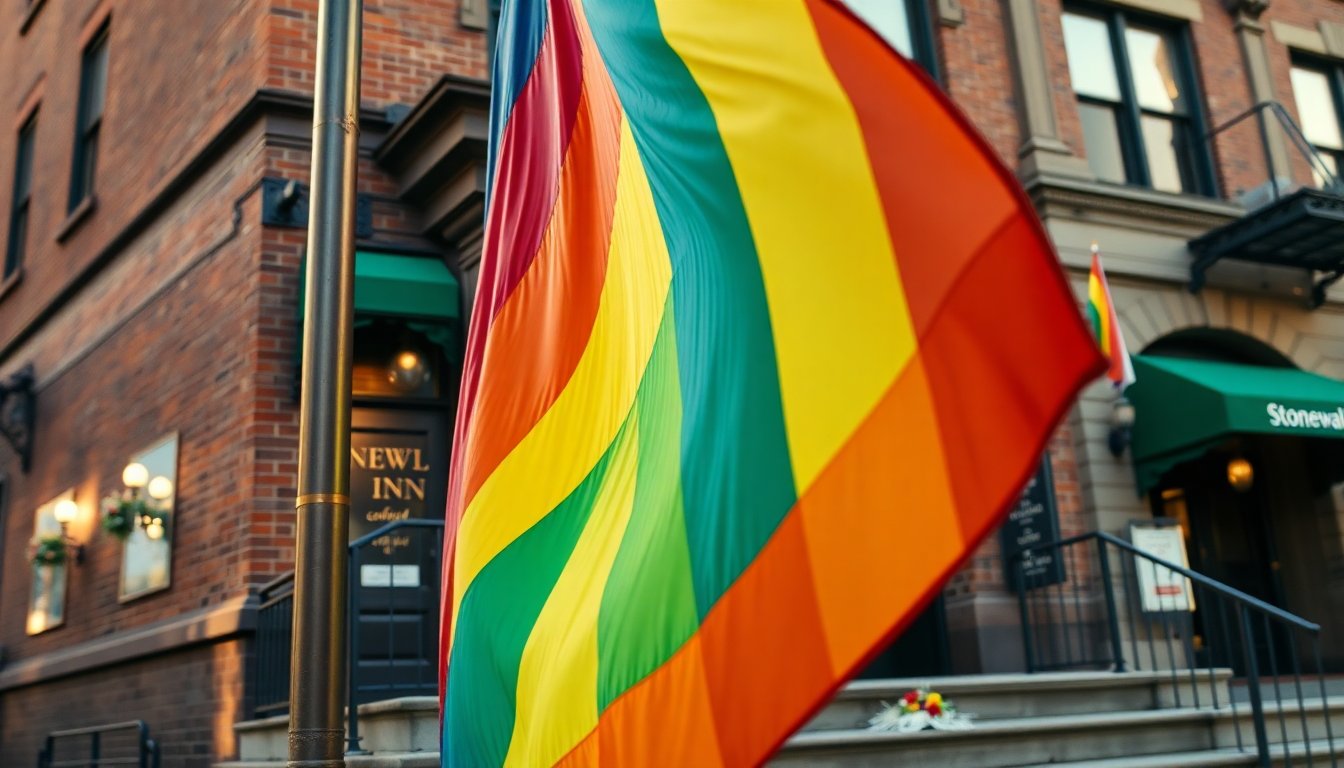
On April 15, 2026, officials announced that the Trump administration has agreed to return the Pride flag to the Stonewall National Monument in New York City after a legal challenge. The move follows a controversial removal earlier in the year, public protests and a lawsuit brought by nonprofit groups and preservation organizations. For many advocates, the decision is about more than a piece of cloth: it touches on questions of recognition, history and whether federal sites can display banners that reflect living communities.
The settlement, filed in court and subject to judicial approval, requires the flag to be reinstalled on the monument’s official flagpole within seven days and maintained there as a permanent fixture. The agreement responds to complaints that the removal ran afoul of both local expectations and the cultural significance attached to the site across from the Stonewall Inn, a place widely acknowledged as the birthplace of the modern LGBTQ+ rights movement. Activists had already demonstrated the flag’s demand by raising their own rainbow banner at the monument after it was taken down.
Background and legal challenge
The National Park Service initially removed the rainbow flag in February to comply with certain Department of the Interior regulations that restrict what can fly from federal flagpoles at park-run properties. Those rules generally allow only specified banners unless an alternative provides clear historical context. Opponents of the removal argued that the flag’s presence was itself historically justified: it had been put up under the previous administration and many view the Stonewall site as inseparable from the flag’s symbolism. Several groups, including the organization named for the flag’s creator, filed suit to restore the banner.
Terms of the settlement
Under the terms laid out in the settlement documents, the federal government agreed to reinstall the Pride flag at the monument’s official flagpole within seven days and to leave it in place permanently, subject to court approval. The arrangement calls for three flags to be displayed together: the American flag, the Pride flag and the National Park Service flag. Plaintiffs emphasized that this solution both respects federal protocols and acknowledges the cultural importance of the rainbow banner at a site designated by President Obama in 2016 as a national monument.
Legal and cultural implications
Lawyers and advocates say the settlement could shape how federal sites balance uniform flag policies with the desire to reflect community history. Supporters described the agreement as a narrow, practical remedy that preserves bureaucratic order while restoring public recognition of the site’s role in civil rights history. Critics of the original removal warned that failing to fly the banner had sent a message of exclusion; the settlement aims to reverse that signal and prevent similar disputes elsewhere.
Community response and meaning
Voices from across the LGBTQ+ world welcomed the move. Leaders of organizations tied to the flag’s history called the rainbow banner a global emblem of visibility and equality. New York’s mayor praised the outcome as a civic victory, noting that the decision affirms local memory and the contributions of activists. International groups also highlighted how flags function as shorthand for who is welcome: restoring the Pride flag, they argued, communicates that the monument recognizes the struggles and achievements of LGBTQ+ people.
What to watch next
The agreement still awaits a judge’s signature before it becomes final, and observers will be watching whether the federal government accepts similar accommodations at other sites. For many, the reinstatement represents both a symbolic win and a reminder that rights secured through activism and legal action require ongoing attention. By restoring the Pride flag to its place at the Stonewall National Monument, the settlement reunites a physical emblem with a location whose history helped define a movement.


