
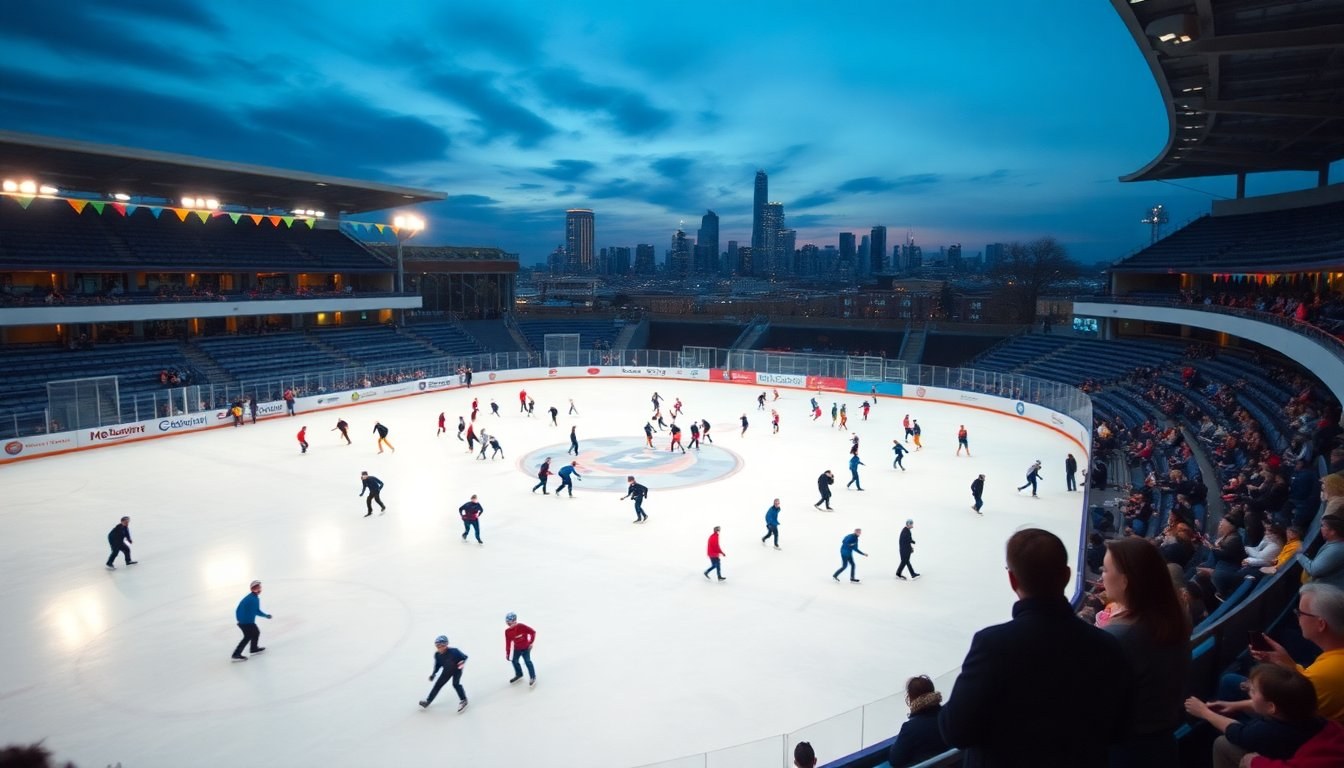
The Queer Clash 2026 tournament transformed Melbourne into a hub for inclusive sport, hosting skaters from across the country and overseas. Over the course of a three-day event, teams of varying experience levels met on the ice for a program that blended competitive play and social exchange. Organisers designed the weekend to celebrate identity while prioritising community safety, inviting both established players and newcomers to participate. This mix of athletic endeavour and cultural solidarity created an atmosphere where sport and activism intersected organically.
Photographer credits and media coverage were an integral part of the weekend; many of the images circulating from the event were shot by Brittany Jackson. Visual storytelling helped capture moments of teamwork, celebration and resilience. In tandem with the photos, community outlets such as QNews offered broader reporting and resources for readers, reinforcing the event’s message. The tournament’s structure — a mixed-level competition where teams of different skill levels share the same event — encouraged participation while ensuring matches remained engaging for players and spectators alike.
Event highlights and atmosphere
The rink was alive with energy as teams played across scheduled fixtures, and spectators filled the stands to cheer on friends and allies. Organisers curated social events around match times to foster networking and exchange, so the weekend functioned as both a sporting festival and a community gathering. Volunteer referees, medics and support staff worked behind the scenes to maintain a safe environment. The visible presence of allies amplified the tournament’s reach, creating a space where LGBTQIA+ athletes could perform visibly without compromise, while still enjoying the competitive thrills of ice hockey.
Participation and diversity
Players arrived with different backgrounds, ages and experience levels, from veteran skaters to first-time tournament participants. The diversity of teams itself was a statement: players came from urban clubs and regional centres, and some travelled internationally to join. That breadth reinforced the idea that sport can be an inclusive platform for expression. The event’s inclusive ethos was supported by guidelines and pre-event briefings designed to uphold community safety in sport, ensuring respectful conduct and clear reporting pathways for any concerns that arose during the weekend.
Why Queer Clash matters
Beyond the scorelines, the tournament delivered symbolic and practical benefits. It reinforced visibility for queer athletes in traditionally heteronormative sports settings and provided a blueprint for organising inclusive competitions. Participants reported that playing together strengthened friendships and created new support networks that extended beyond the rink. The event also opened conversations with local clubs and administrators about best practices for making recreational and competitive sport safer and more welcoming for everyone, highlighting how sporting events can catalyse broader cultural change.
Community impact and legacy
Organisers emphasised lasting outcomes: connections made at the tournament seeded future collaborations, coaching exchanges and community programs. Local volunteers gained experience running large-scale inclusive events, and participating teams returned home with knowledge and enthusiasm to replicate accessible models. The weekend’s visibility also drew new interest from potential sponsors and partners keen to support initiatives that combine competitive sport with inclusivity. In this way, the tournament functioned as both a celebration and an investment in sustainable community development.
Coverage, resources and how to follow up
Photographs and reports from the weekend — many credited to Brittany Jackson — illustrate the stories that emerged from the rink. Readers interested in more in-depth community reporting and event follow-ups can visit outlets such as QNews for interviews, galleries and feature pieces. Social platforms amplified the event in real time, making it simple for participants and supporters to share highlights and to continue conversations about inclusion in sport. For anyone inspired by the tournament, local clubs and queer sports groups often welcome inquiries from new players and volunteers.
Queer Clash 2026 in Melbourne was more than a sequence of games: it was a gathering that combined athleticism, pride and attention to safety to create an inclusive model for sport. The weekend left behind memories, relationships and practical know-how that contribute to stronger community networks. As interest in queer sporting events continues to grow, examples like this tournament demonstrate how well-run, consciously inclusive competitions can shift expectations and expand opportunities for athletes of all identities.


