
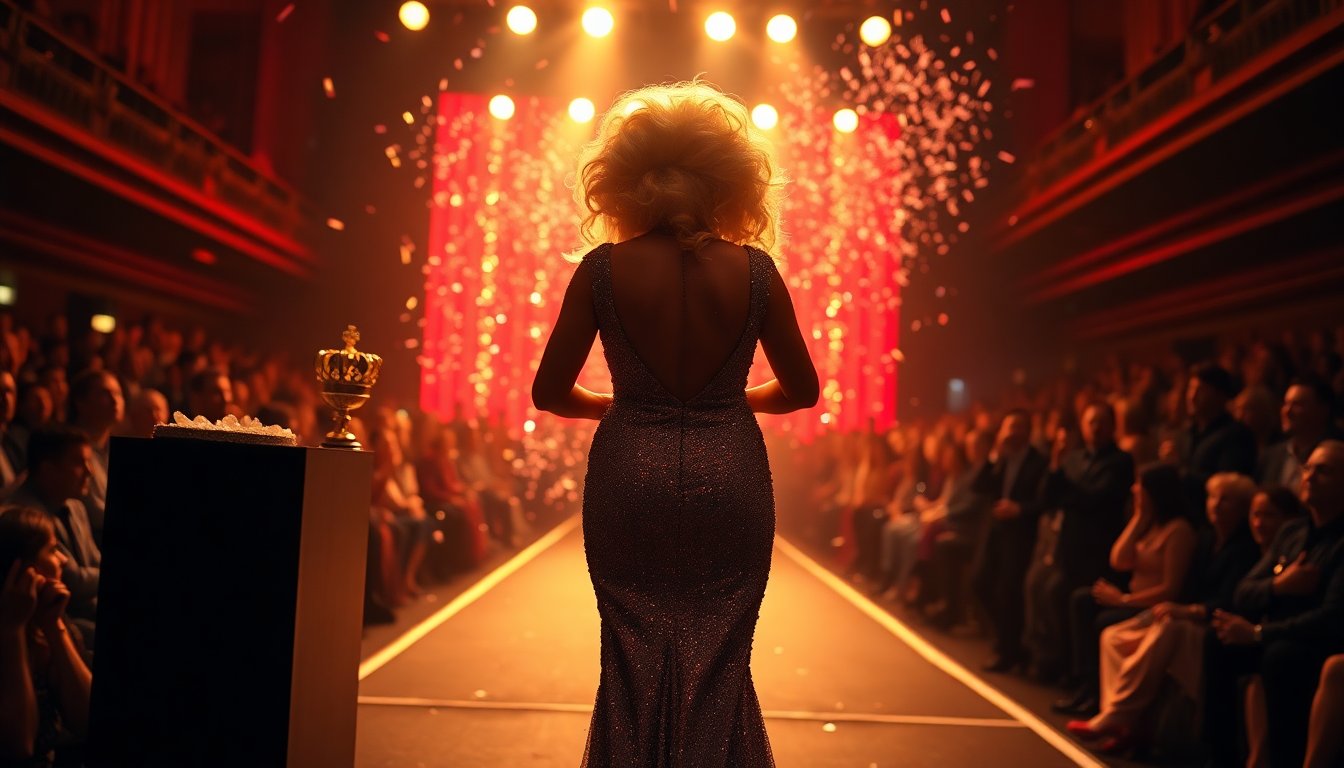
The finale of RuPaul’s Drag Race season 18 concluded with Orlando-based performer Myki Meeks being named America’s Next Drag Superstar. Across the season, Myki built momentum through a mix of polished looks and strong stage work, taking four maxi-challenges and holding a remarkable run of top placements that spanned eight weeks. The run combined theatrical instincts with modern pop sensibilities, producing moments that resonated beyond the Werk Room and into daytime television and social feeds.
Myki’s trajectory on the series included both wins and pivotal highlight reels. Her turn in the Rusical and her impersonation for the Snatch Game became cultural talking points, even when they didn’t necessarily earn the weekly win. The Snatch Game impersonation led to a crossover moment with the subject herself on a daytime talk show, and the Rusical rekindled Myki’s commitment to musical theatre — an art form she now intends to make a central part of her post-show work. Those performances helped position her as the frontrunner going into the live finale.
The finale and the crowning
On the night of the finale, Myki faced off with fellow finalists Nini Coco and Darlene Mitchell. Each finalist presented an original track tailored to their strengths, with Myki showcasing a piece titled “Versatile” that emphasized range and stagecraft. In a climactic lip-sync against Nini to Miley Cyrus’s song “Every Girl You’ve Ever Loved”, Myki combined emotive phrasing with a decisive finish, sealing the judges’ decision and the title. The win included a $200,000 cash prize, a custom crown, and a year-long cosmetics collaboration, while Nini and Darlene also received financial awards recognizing their seasons’ achievements.
Moments that defined the season
The Rusical: theatre reborn
The Rusical became a turning point for Myki, who described the challenge as an opportunity to reconnect with a craft she had set aside. The episode showcased her ability to blend acting, choreography, and vocal timing — skills rooted in musical theatre. Industry figures praised the performance, and Myki signaled ambitions to pursue longer-form theatrical work after the show. Her approach framed her as a performer who could translate drag glamour into narrative-driven moments, a path that has already been trailblazed by peers who have moved from the Drag Race stage to theatrical productions.
Snatch Game and the daytime crossover
The Snatch Game — an episode that asks queens to deliver celebrity impressions — offered Myki a chance to flex comedic timing and character work. In the series context, Snatch Game is a staple that tests impersonation and rapid-fire humor, and Myki’s take became one of the season’s most talked-about bits. The performance later led to an in-person encounter with the celebrity she portrayed on a talk show, a moment judges described as a surreal example of drag culture intersecting with mainstream media. That crossover amplified the season’s visibility and highlighted changing cultural attitudes toward drag performance.
What comes next: platform, politics and artistry
Beyond trophies and headlines, Myki used her platform to speak on urgent issues facing queer communities, proposing a plainspoken appeal she called the “Leave Queer People Alone Bill” and urging people to question the roots of hostility toward LGBTQ lives. Fellow contestants and judges echoed that sentiment on the finale stage, emphasizing solidarity for communities under legislative pressure. Artistically, Myki plans to lean into the musical theatre energy she rediscovered, to release music that reflects her stage persona, and to mark the moment with a commemorative tattoo. She also welcomed the possibility of joining future multiwinner events within the franchise, open to competing alongside her contemporaries and idols.
Legacy of a season
Myki Meeks’s run offered a clear example of a contestant combining technical skill with cultural awareness. From the precision of runway moments to the vulnerability of a post-win lip-sync to Sophie’s “Immaterial”, her story emphasized growth, adaptability and showmanship. As the confetti settles, the season’s highlights — the theatrical revival, the viral impersonation, and a final performance that fused emotion with spectacle — point to a winner intent on translating television success into a diverse creative career while using newfound visibility to champion community concerns.


