
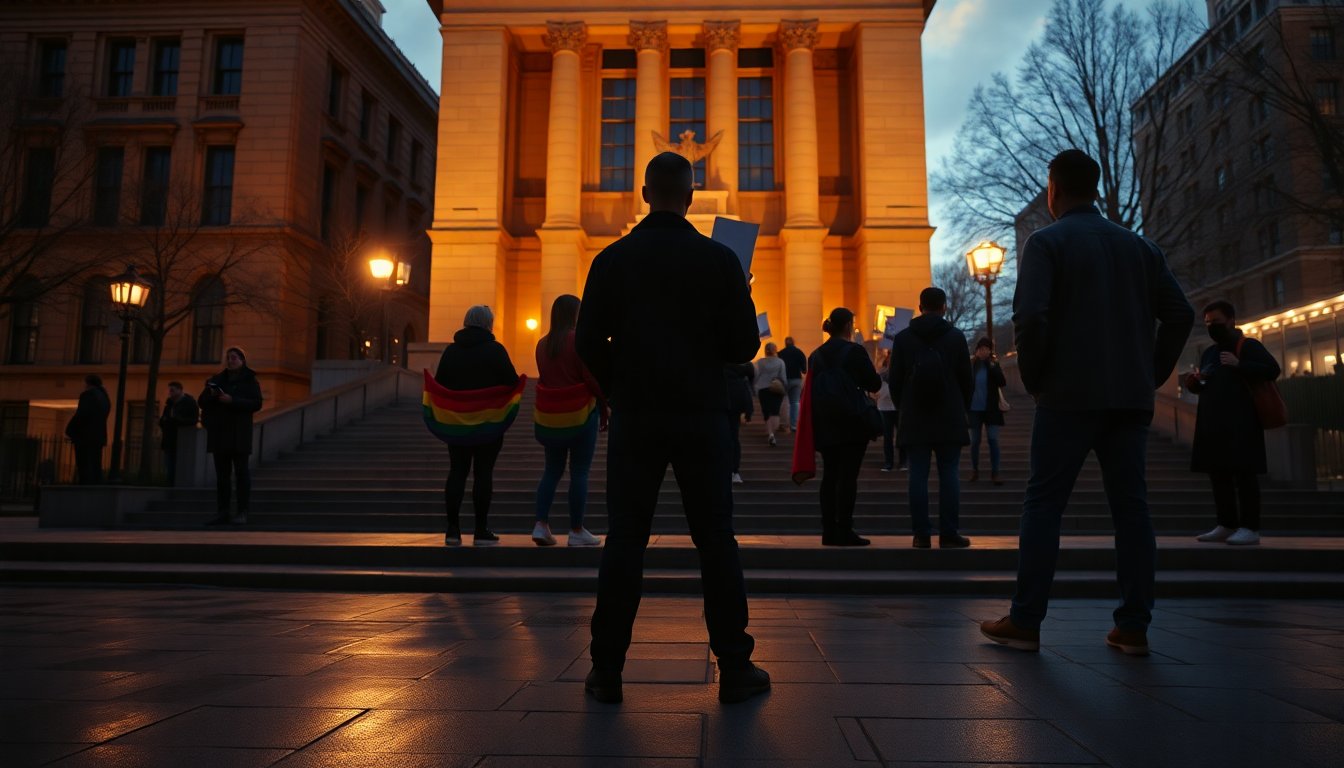
The New South Wales parliamentary inquiry, released on April 23, portrays right-wing extremism as a growing and escalating threat across the state that extends beyond isolated incidents. The report draws a direct line between hateful ideologies and a rise in visible activity both in public settings and across digital platforms, noting that extremist narratives have shifted from the margins toward mainstream visibility.
Committee findings emphasise that the current pattern is not random: doctrines rooted in white supremacy, antisemitism, homophobia and transphobia are increasingly apparent in street-level actions and online content. Advocacy organisations such as Equality Australia have said this mirrors what affected communities already report experiencing, especially as toxic online exchanges translate into material harm. This inquiry therefore frames the problem as both ideological and operational.
Who is being targeted and how the report frames risk
The inquiry identifies a list of groups facing disproportionate attention from extremists: the Jewish community, LGBTQIA+ people, Indigenous Australians, women, and various ethnic and religious minorities. The committee warns that the risk multiplies when people belong to more than one of these groups — a concept the report describes as double vulnerability. That layered harm means particular individuals face more severe and frequent abuse, and the inquiry makes clear that targeted harassment is a deliberate strategy rather than incidental collateral damage.
Evidence cited in the report shows extremist behaviour has moved into public streets and organised events, with demonstrations linked to Neo-Nazi elements, coordinated intimidation campaigns, vandalism, and increasingly aggressive rhetoric. These actions are characterised not only as physical threats but also as efforts to erode trust in shared spaces and weaken social cohesion. The committee argues that the intention behind such conduct is to normalise hostility toward selected communities and to shift the boundaries of acceptable public discourse.
Targeted impact on LGBTQIA+ communities
Statistics and lived impact
The report gives particular attention to the harms experienced by LGBTQIA+ people, noting that attacks are often targeted and persistent. Submissions to the inquiry documented event cancellations because of threats and intimidation, higher rates of street harassment and assaults, and a significant rise in anti-trans rhetoric both online and offline. One submission highlighted that 85% of trans and gender diverse respondents reported increased online hate, while 39% said they faced more in-person abuse. Equality Australia CEO Anna Brown described the finding as an important recognition of how anti-LGBTIQ+ hatred fits within broader extremist strategies to normalise hate in public debate.
Online pathways and how radicalisation spreads
The inquiry pays close attention to digital recruitment and amplification. It finds that social media algorithms and platform design can rapidly expose new users to extreme views, sometimes within minutes of account creation. Extremist content is frequently disguised as humour, memes, or supposedly alternative viewpoints, which makes it easier to slip into everyday feeds. Young men are identified as a demographic that extremist networks often try to mobilise, exploiting feelings of isolation, identity uncertainty and the desire for belonging.
Why rapid escalation matters
Researchers warned the committee that repeated exposure to escalating content creates a feedback loop in which increasingly radical material becomes normalised for users over time. This process turns casual consumption into deeper commitment, and the committee concluded that online recruitment is a central vector for the modern expansion of extremist influence. The report argues that interrupting this cycle will require coordinated changes to platform moderation, improved reporting mechanisms and community-focused prevention work.
Recommendations and what comes next
The inquiry sets out several practical steps and gives the NSW Government a deadline — until October 23, 2026 — to respond formally. Key recommendations include funding community-led reporting services so victims can record hate crimes, expanding early intervention and prevention programs focused on at-risk individuals, strengthening action against dangerous online content, and introducing school and community education that addresses discrimination, including homophobia and transphobia. The report stresses that a mix of legal, educational and civil society measures is necessary to reduce harm.
What communities and policymakers can expect
For affected communities, the report provides both validation and a roadmap for action: recognition that targeted groups are deliberately singled out, and a set of policy options to reduce risk. Community organisations are urged to continue documenting incidents and to push for the recommended resources. For anyone seeking further coverage or support on LGBTIQA+ matters, organisations such as Equality Australia and specialist outlets like qnews.com.au remain important sources of information and community stories. The committee’s findings make clear that confronting modern extremist threats requires combined attention to both online dynamics and real-world safety.


