
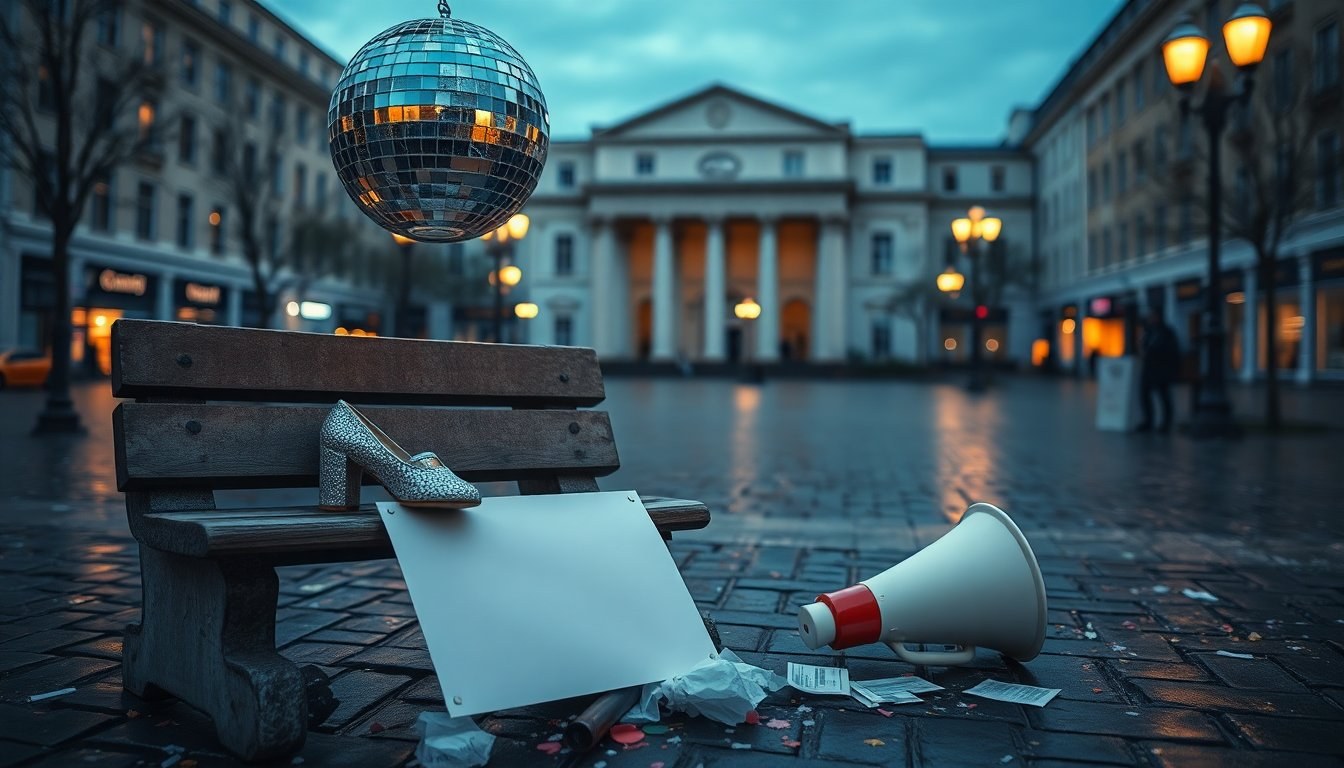
The well-known entertainer shared a short social video that quickly became a topic of heated discussion. In that clip the host argued that long-term education cuts have weakened critical thinking, creating fertile ground for extreme politics, and bluntly declared that “fascism is back”. Rather than laying out a policy roadmap, the speaker suggested that one communal response is to party and dance together, framing celebration as a form of survival. This message combined political commentary with an invitation to public joy, and it arrived into a context where many people expect high-profile figures to model concrete advocacy as well as symbolic resistance.
Because the post came from a figure with enormous visibility and resources, reactions were swift and varied. Some interpreted the call to dance as an assertion that visibility, culture and shared joy are themselves potent forms of dissent. Others saw the suggestion as insufficient, arguing that structural challenges require organized civic engagement, legal strategies and financial support. The exchange moved beyond a single social post into broader debates about what effective cultural leadership looks like in moments of political stress.
What the video argued
At the heart of the clip was a diagnosis tying today s political climate to decades of disinvestment in schooling. The speaker suggested that roughly four decades of underfunding left large parts of the population without developed critical thinking skills, making communities more vulnerable to appeals based on fear or misinformation. After making that link, the message shifted tone: rather than proposing institutional fixes, the speaker said that the remaining recourse available to many would be communal joy, encouraging followers to gather, dance and find solace in togetherness. That framing treated queer joy and nightlife not only as celebration but as a coping mechanism in the face of political setbacks.
Public response and social media debate
The post generated thousands of replies across platforms and sparked two broad currents of response. One current embraced the idea that cultural visibility and celebration function as resistance, with supporters pointing to historical examples in which marginalized communities found safety and solidarity in communal spaces. These defenders emphasized that public joy can preserve identity, sustain morale and keep communities visible in hostile climates. They argued that choosing to be seen and to enjoy life can be a deliberate political act that denies oppression the control of daily life.
Supporters: joy as resistance
Those who praised the message described queer joy as an intentional practice that helps communities endure and push back against erasure. Many comments highlighted nightlife, art and communal celebration as places where people learn to trust one another, build networks and practice resilience. For supporters, dancing and laughter are not escapism but a long-standing tactic of survival and solidarity; public acts of celebration are also ways to remain visible and culturally influential when other institutions falter. That perspective framed the post as an affirmation of cultural power rather than a retreat from politics.
Critics: call for organized action
Critics countered that while cultural endurance matters, it cannot be the only response to organized political threats. Some noted the speaker s financial success and asked whether someone with resources could do more in terms of funding advocacy groups, supporting legal challenges, or mobilizing voters and donors. Others warned that leisure alone cannot halt the erosion of rights or reverse policy decisions, urging coordinated strategies such as education initiatives, electoral engagement and community defense training. These voices insisted that celebration should be paired with concrete, sustained efforts.
What this disagreement reveals
The exchange highlights a recurring tension in activist communities between symbolic practices and structural interventions. On one hand, visibility and cultural power shape public narratives and keep marginalized lives in the public eye. On the other, durable political change typically requires organized campaigns, policy work and resource allocation. The debate over a single social clip therefore became a proxy for larger strategic discussions about how best to protect vulnerable communities when institutions appear weakened by long-term trends like education defunding and rising authoritarian movements.
Concluding thoughts
Ultimately, the conversation sparked by the post suggests that many people see value in both approaches: preserve joy and community as a source of strength, and also translate that energy into concrete action. Whether one prioritizes public celebration or organized resistance, the consensus among many respondents was clear that communities must remain both visible and prepared. The dialogue illustrates how a few candid lines in a short video can reopen complex debates about leadership, responsibility and the many ways people fight back.


