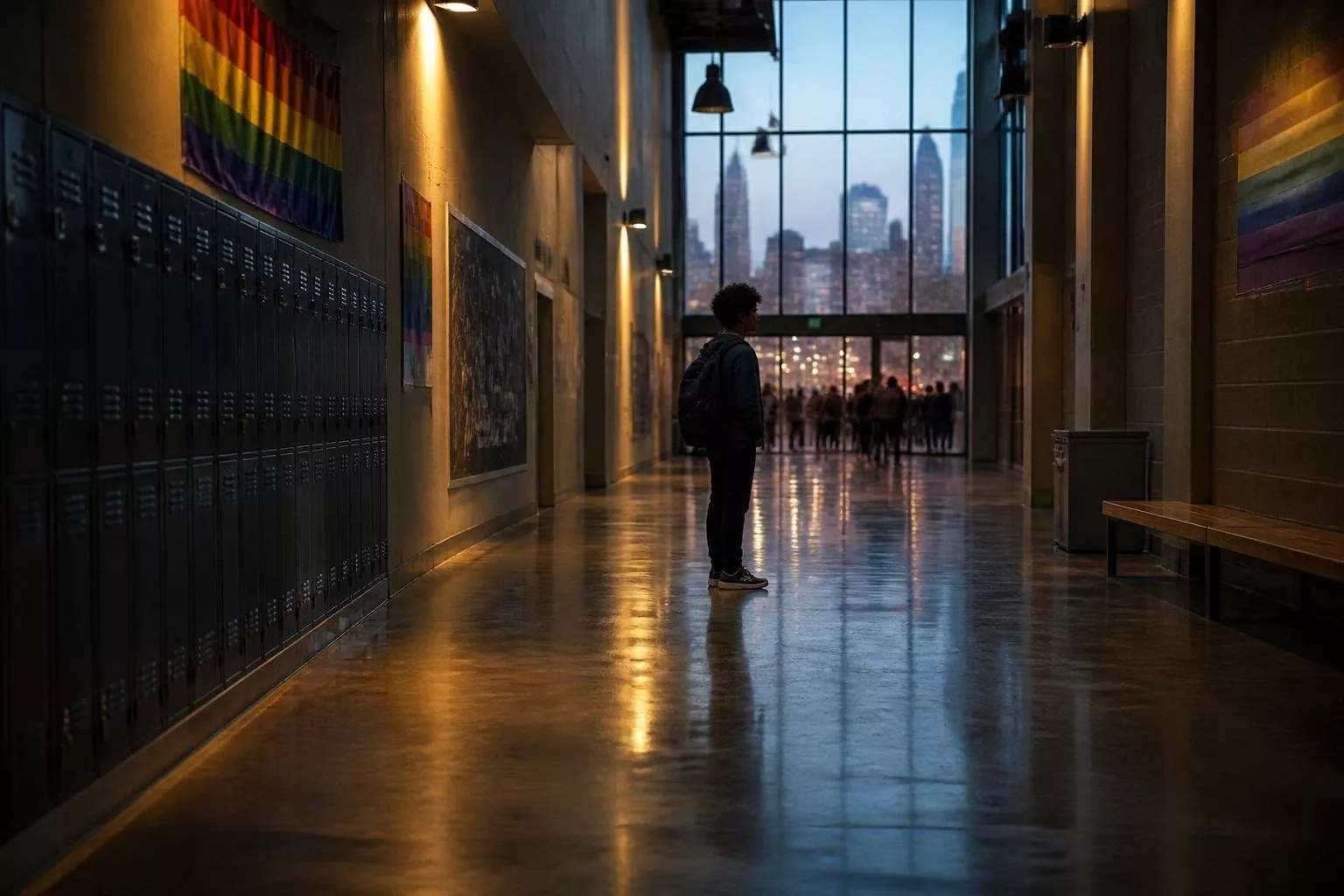
The 2025-26 school year marked an unprecedented wave of literary suppression in American public schools. According to a nationwide audit, educators recorded 11,982 instances of book removal, the highest tally since systematic tracking began in 2021. The majority of challenges originated in Florida and Texas, where local school boards have embraced aggressive policies aimed at limiting content related to race, sexuality, and gender identity. The data also reveal a growing reliance on artificial intelligence tools that scan catalogues for keywords deemed controversial, streamlining the identification of titles slated for removal.
While the sheer volume of bans is striking, the patterns within the list tell a deeper story. Books featuring LGBTQ+ characters or exploring queer themes were disproportionately represented among the challenged titles. Organizations monitoring censorship note that these works are often dismissed as “political” despite being simple coming-of-age narratives, memoirs, or picture books that simply allow a young reader to see themselves reflected on the page.
How LGBTQ+ titles became the focal point of the crackdown
Researchers have long observed that literature dealing with sexual orientation and gender diversity faces heightened scrutiny. In the current cycle, titles such as All Boys Aren’t Blue by George M. Johnson and Tango Makes Three by Justin Richardson, Peter Parnell and Henry Cole were among the most frequently reported. The former is a memoir that intertwines Black and queer identity, while the latter tells the true story of two male penguins raising a chick together – both works offering representation that many students find essential for personal understanding.
Other notable entries include Cinderella Is Dead by Kalynn Bayron, a fantasy re-imagining of a classic tale through a queer lens, and Gender Queer: A Memoir by Maia Kobabe, a graphic memoir that charts a personal journey of gender self-discovery. These books, alongside graphic novels like Flamer and The Prince and the Dressmaker, illustrate the breadth of genres—children’s picture books, YA fiction, memoirs, and graphic novels—now under fire.
What readers can still access: curated lists and new releases
Amid the crackdown, several advocacy groups have compiled alternative reading lists to ensure that LGBTQ+ voices remain audible. One such collection highlights 15 titles spanning picture books, graphic novels, memoirs, and romance, providing educators and parents with options that have not yet been withdrawn. For instance, Red, White & Royal Blue by Casey McQuiston offers a politically charged yet heartfelt romance between a U.S. presidential son and a British prince, while This Book Is Gay by Juno Dawson serves as a comprehensive nonfiction guide to queer identities.
Simultaneously, the publishing world continues to introduce fresh titles for younger audiences. Autumn 2026 saw releases such as Julia Donaldson’s Gruffalo Granny, a return to the beloved forest world after two decades, and the picture book Mouse Goes to the Mountains by Alice Melvin, which blends environmental themes with charming illustrations. These newer works, alongside best-of lists from major retailers featuring award-winning fiction, mystery, and romance, demonstrate that despite censorship pressures, a vibrant literary market persists.
When books are removed from shelves, the impact reaches far beyond the classroom walls. Students lose access to narratives that might help them navigate identity, empathy, and cultural awareness. The conversation now pivots from merely counting bans to questioning who decides which stories are deemed appropriate and why. As the debate unfolds, the resilience of authors, librarians, and readers continues to shape the future of American literary culture.