The National Museum of Colombia in Bogotá became the focus of street demonstrations after government authorities removed more than 30 objects from its permanent displays. The taken items had documented links to LGBTQ+ activism, feminist organising, and the political left, including materials connected to the 2016 peace agreement. The removals and the public reaction raised claims of censorship, renewed debate about how national memory is curated, and a judicial intervention that temporarily stopped further removals.
The change in exhibition content occurred amid policy decisions by President Abelardo De La Espriella and actions from Culture Minister Paola Holguín. The president announced plans to rename the ministry to the Ministry of Culture and Heritage and framed the move as part of a campaign against what he characterised as “wokismo.” The ministry asserted that museums should not be instruments of “political indoctrination,” while opponents described the removals as an attempt to erase parts of Colombia’s recent history.
Which exhibits were removed and why it matters
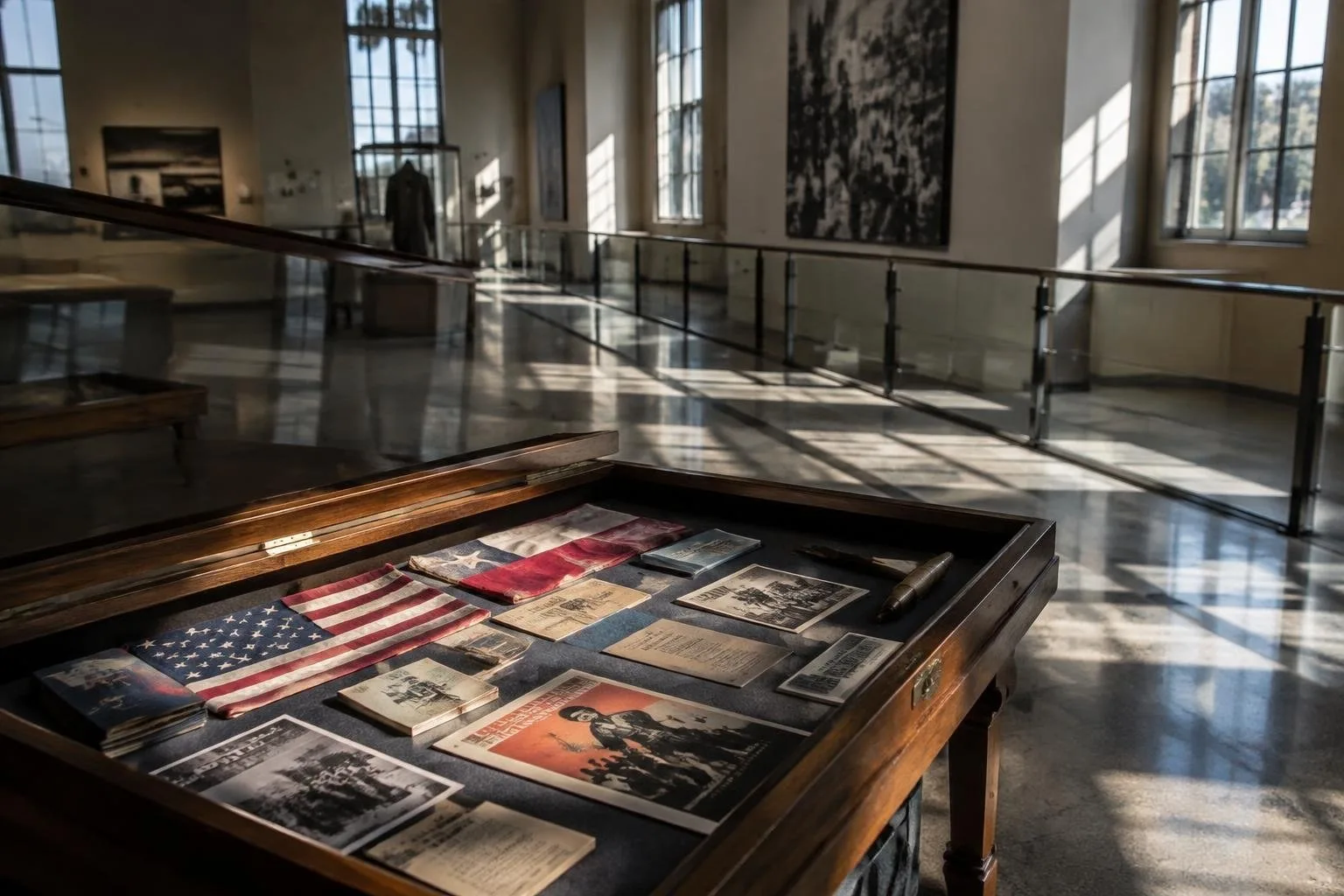
Objects withdrawn from the museum’s permanent galleries included a pride flag belonging to activist Elizabeth Castillo, campaign posters for assassinated presidential candidates Bernardo Jaramillo Ossa and Carlos Pizarro items documenting the 2016 peace accord — reportedly even the pen used to sign the agreement in some accounts — and posters linked to campaigns against gender-based violence. These pieces had been displayed within galleries titled Hacer sociedad and Memoria y Nación.
Advocates and museum staff argued that the removed materials formed part of a public record of social movements, political violence and reconciliation efforts. Critics said the sudden blanks on gallery walls symbolised an enforced narrowing of which histories are visible to visitors. Several museum professionals insisted that curatorial decisions conventionally pass through committee processes, and they raised concerns about ministerial involvement in selecting items for removal.
Protests, police response and legal developments
Across two consecutive weekends, hundreds of people assembled outside the Museo Nacional on Carrera Séptima to denounce what they called cultural censorship. On 17 and 18 October, demonstrators pasted reproductions of the removed items in public space and displayed banners reading messages such as “La memoria no se borra” and critical wordplay equating the removals with authoritarian tendencies. Security forces responded with water cannons, tear gas and stun grenades to disperse crowds, actions that protesters and Human Rights advocates labelled disproportionate.
The dispute moved into the courts on 19 October, when a Bogotá judge issued a temporary order instructing the museum to preserve the works already taken down and to stop further removals that are based solely on content without formal justification. The judge requested the ministry provide a legal basis for its decisions, and the order followed a constitutional-rights claim brought by representatives of LGBTQ+ groups.
Institutional reactions and wider cultural sector concerns
At least six other Colombian museums, including major modern art institutions in Bogotá and Medellín, released a joint statement expressing deep concern and urging protection of museums’ professional autonomy. Their message emphasised that governments should not unilaterally determine which aspects of national history are shown in public cultural spaces. Prominent public figures from across the political spectrum also criticised the removals, arguing that memory and historical record should not be curtailed for partisan reasons.
Separately, the National Museum’s official channels did not immediately publish a public response to the protests, although the museum’s website did carry a notice dated 6 October about accidental damage to Fernando Botero’s bronze sculpture The Dove of Peace caused when a visitor leaned against its pedestal and knocked the work over, producing abrasions and dents.
Context: the museum and historical memory
Founded in 1823 and housed in a former 19th-century panopticon prison, the Museo Nacional is one of the Americas’ oldest institutions. It holds tens of thousands of items spanning prehistory to the contemporary era and has been without a permanent director since the death of Liliana Angulo Cortés earlier in the year. Under Angulo’s tenure, the museum had broadened curatorial perspectives, a shift that some see as part of the current dispute over which narratives are prioritised.
The episode underscores a continuing national argument over how Colombia remembers political violence, peace processes and social movements. The controversy combines administrative decisions about museum governance, public protest over erased displays, police tactics used during demonstrations, and a judicial check that temporarily paused further removals while legal claims proceed.