The long-running off-Broadway gem The Fantsticks finally steps onto a Broadway stage after more than six decades. Director-choreographer Christopher Gattelli re-imagines Tom Jones and Harvey Schmidt’s 1960 work by switching the original male-female lovers for a tender gay pairing, and by turning the scheming fathers into nurturing mothers. The production runs at the Hayes Theater through 7 February 2027, offering a fresh lens on a piece that has lingered in community theatres for generations.
Maxim Chlumecky and Nathan Levy take on the roles of Matt and Lewis, two boys whose secret romance is nudged forward by their well-meaning parents. Their chemistry is anchored by lyrical duets such as the iconic “Try to Remember,” now echoing with a new emotional texture. The couple’s plight is narrated by the flamboyant trickster El Gallo, portrayed by the towering Zane Phillips, whose baritone adds a playful, almost sensual undercurrent without ever slipping into overt raunch.
Gender swap breathes new life into a classic
The decision to replace the original fathers with mothers, Mildred (Leslie Rodriguez Kritzer) and Bessie (Ruthie Ann Miles), creates a different family dynamic. Both women are presented as protective, witty, and unapologetically supportive of their sons’ love, providing a warm counterpoint to the meddling adult figures that traditionally drive the plot. Their banter, especially in numbers like “Never Say No,” showcases a humor that feels both timeless and contemporary.
By framing the central romance as a same-sex relationship, the revival speaks directly to a generation that grew up with shows like Heartstopper and the cultural conversations surrounding LGBTQ+ representation. The narrative’s core, young lovers confronting forbidden affection, remains intact, but the gender shift adds layers of relevance that resonate with today’s audiences.
Staging, design and musical highlights
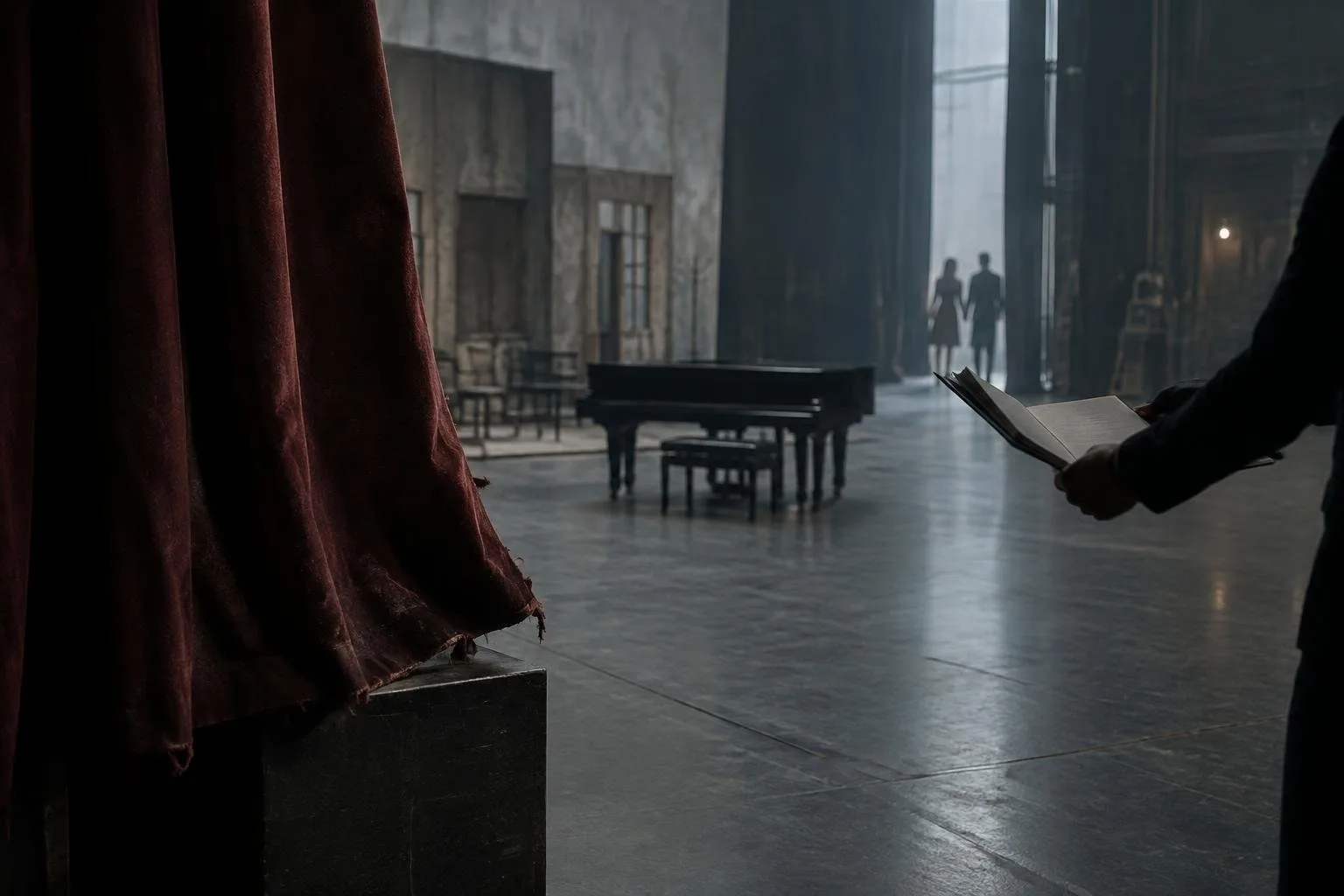
Jason Sherwood’s scenic design honors the original’s minimalist black-box aesthetic while expanding the visual field for a Broadway house. A weathered white-brick wall serves as the backdrop, upon which Jen Schriever’s lighting washes in jewel-tone hues, suggesting moonlit evenings and late-autumn sunlight. This subtle expansion allows the intimate story to breathe on a larger stage without sacrificing its spare charm.
The score, untouched in its lyrical brilliance, continues to sparkle. Numbers such as the whimsical “Plant a Radish” and the soaring love duet “They Were You” retain their melodic simplicity, while occasional rhymed couplets, drawn from the 1894 play Les Romanesques, offer a poetic echo of the work’s origins. The cast delivers these songs with technical precision; Chlumecky and Levy’s vocal blend is both bright and emotionally resonant, and the veteran vaudevillians Kevin Del Aguila and David Patrick Kelly keep the comedic rhythm alive as Henry and Mortimer.
Critical response and audience reception
Early reactions highlight the production’s ability to balance reverence and reinvention. Reviewers note that Gattelli’s direction respects the wry, wholesome spirit of the original while allowing the new gender dynamics to feel natural rather than forced. The audience, ranging from longtime fans to first-time theatregoers, appears divided on the show’s inevitable corniness, yet many praise its earnest storytelling and the boldness of its casting choices.
For younger viewers accustomed to high-octane Broadway spectacles, the revival offers a reminder that simple, earnest narratives can still move hearts. For those who cherish the original, the performance serves as a nostalgic portal, inviting them to revisit memories while embracing a contemporary twist.
Overall, The Fantasticks on Broadway stands as a testament to the enduring power of a well-crafted love story, now told through a lens that reflects today’s broader understanding of romance and family.