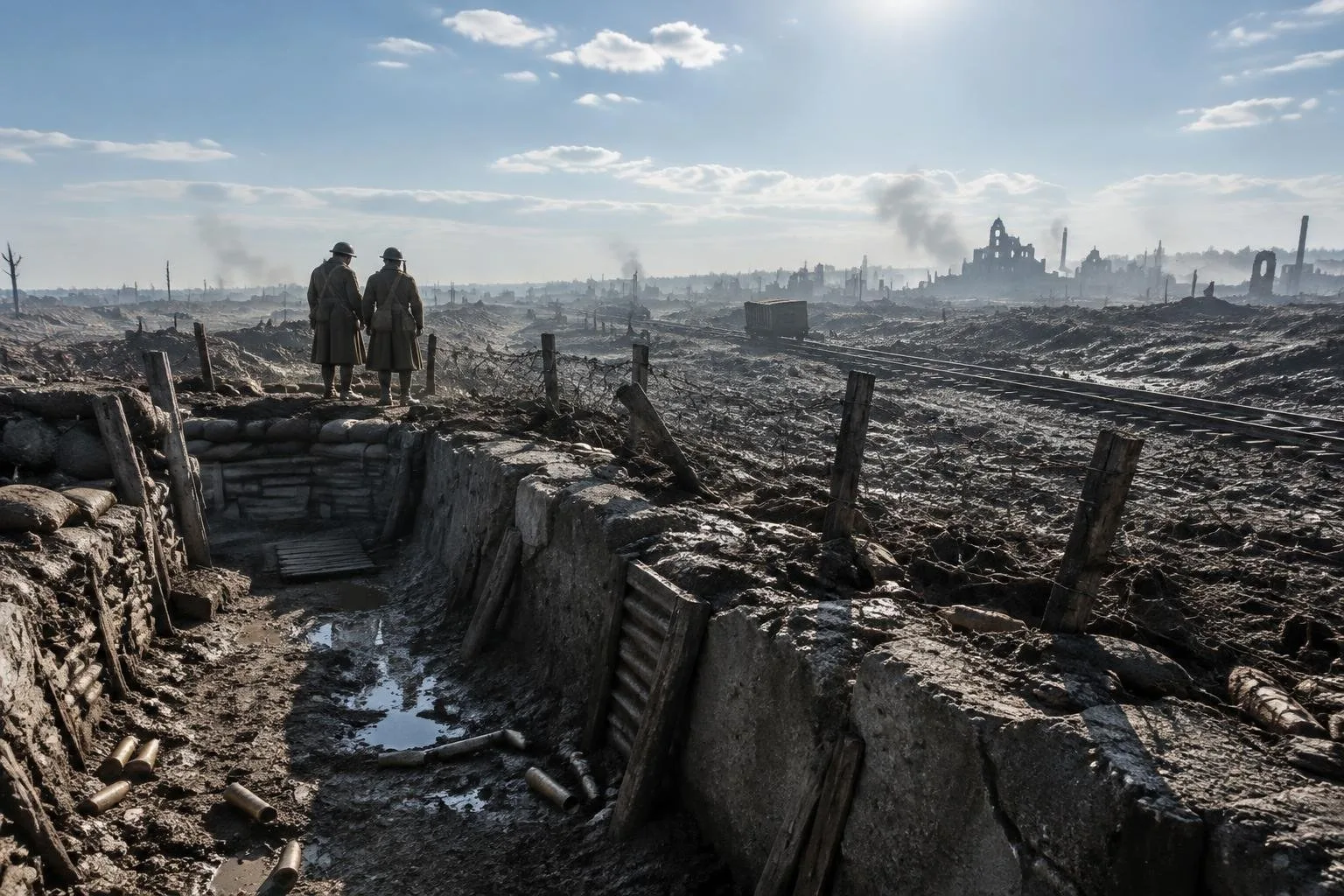
Les Braves (originally titled Coward) is the third feature film from Belgian auteur Lukas Dhont. The drama is slated for its first public screening on Wednesday 18 November, offering audiences a gay love story that unfolds behind the front lines of the First World War. The film follows two young soldiers, Pierre and Francis, as they navigate the brutal logistics of trench warfare while discovering an intimate connection that defies the era’s rigid notions of masculinity.
How the idea emerged from forgotten wartime photographs
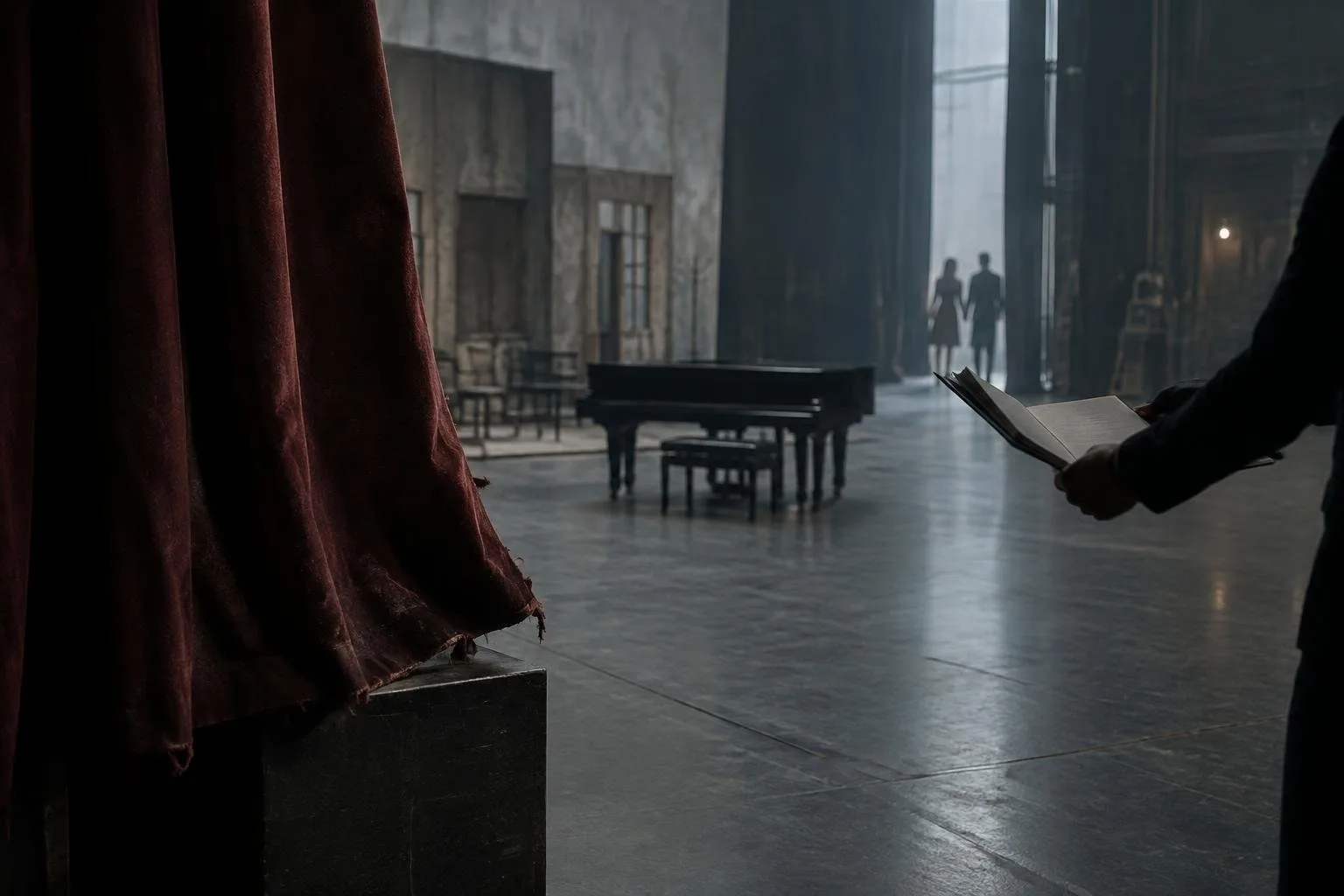
Dhont explained that the seed of the project sprouted while he was leafing through a photo book of First-World-War imagery. Among the bleak black-and-white prints he spotted groups of soldiers erecting makeshift stages just beyond the firing line. Some men donned skirts and dresses, performing female roles for their comrades. The juxtaposition of gender-bending performance and the stark reality of war struck him as both “hyper-modern” and largely absent from the collective memory of the conflict. He wanted to honor those hidden performers and use their story as a portal to explore a suppressed chapter of gay history.
Research in archives and the quest for historical authenticity
To avoid romanticising the period, Dhont spent months combing through archives in London, France and Belgium. He uncovered letters, songs, and personal diaries that revealed a surprisingly tender undercurrent among soldiers. One document recounted a comrade who, in the evenings, assumed a “mother” role, comforting and kissing fellow troops before they returned to the front. These fragments convinced Dhont that many men experienced the war as a rare space where forbidden emotions could briefly surface, even if most of those bonds dissolved once peace returned. By stitching together such testimonies, he crafted a narrative that respects the factual record while allowing artistic imagination to fill the gaps.
Casting the protagonists and Cannes-winning chemistry
The two leads, Emmanuel Macchia (Pierre) and Valentin Campagne (Francis), were chosen for their contrasting energies. Dhont, who previously cast for other directors to fund his short films, recalled visiting agricultural schools to find a farmer-type presence for Pierre. Macchia’s “melancholic, ancient-soul” vibe matched that vision. In contrast, Campagne exuded extroversion and natural leadership, qualities Dhont felt essential for Francis, the morale-boosting entertainer of the rear-guard troupe. Their combined performance earned them the Prix d’interprétation masculine ex æquo at the last Cannes Festival, underscoring the film’s emotional potency.
Challenging the classic war-film formula
Traditional war cinema often glorifies front-line heroics and hyper-masculine sacrifice. Dhont deliberately shifted the camera’s focus to the rear-area logistics: the endless arrival of supplies, the grim task of collecting and burying bodies, and the improvisational theatre that offered soldiers an escape valve. By keeping combat mostly off-screen, the film foregrounds the internal battle each man faces against patriarchal expectations of stoic virility. As Dhont put it, the patriarchal pressure that tells men to “repress everything they feel” becomes a central antagonist, and art, in the form of the troupe’s performances, emerges as the only conduit for genuine emotional expression.
From title debate to thematic resonance
The project was originally announced under the English title Coward, but the French release adopted Les Braves. The duality raises the question: who is truly cowardly in a war that forces men to bury their humanity? Within the film, characters label each other “coward” when the reality of mud, artillery, and death contradicts their heroic fantasies. Yet the clandestine affection between Pierre and Francis suggests that vulnerability, rather than bravery, may be the most authentic response to such devastation. The title shift therefore invites viewers to reconsider the conventional binary of bravery versus cowardice.
When the film finally reaches theaters on 18 November, it will not only add a fresh perspective to World-War-I cinema but also resurrect a marginalized narrative that historians say was largely erased. By marrying meticulous archival research with a bold, character-driven story, Dhont offers a poignant reminder that love, in all its forms, can survive even the darkest of trenches.