
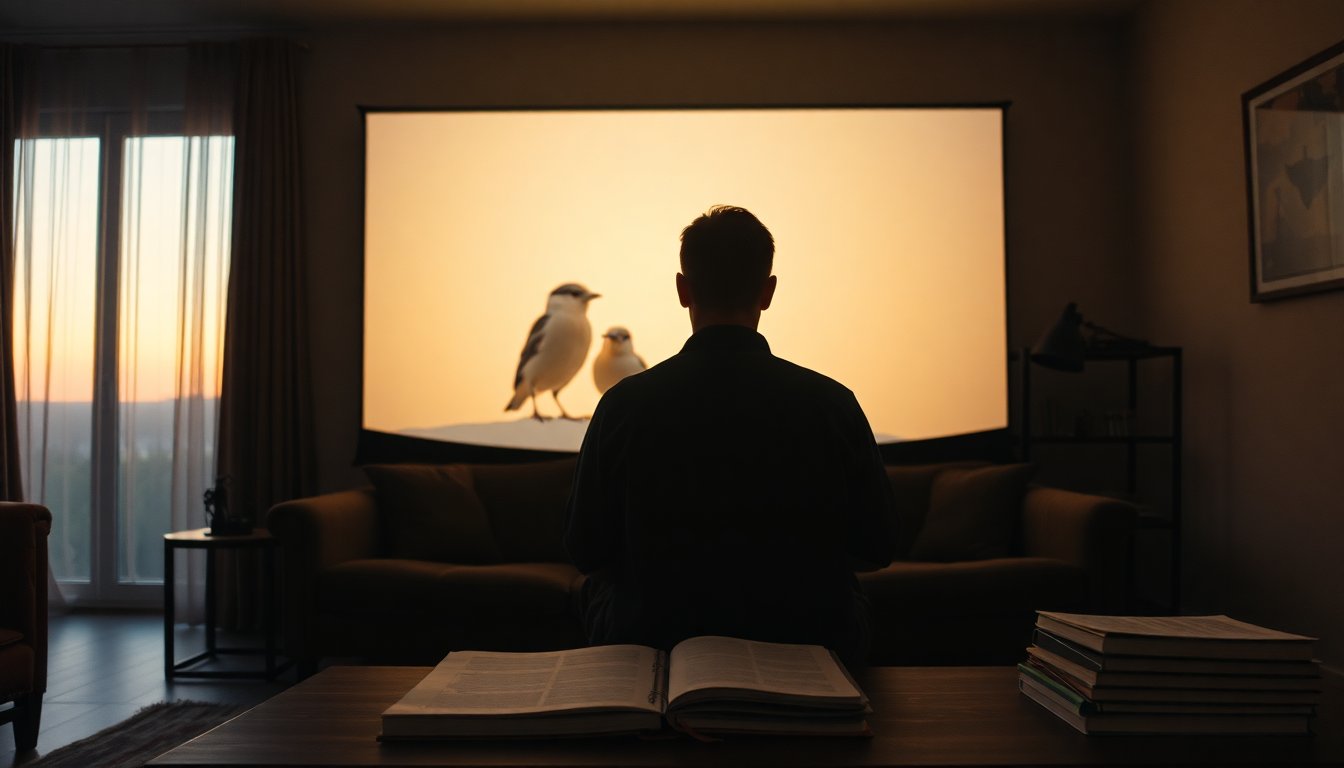
Elliot Page has lent his voice and his production energy to Second Nature, a documentary that explores how widespread same-sex behaviour and gender diversity are within the animal kingdom. Narrating and co-producing the film directed by Drew Denny, Page reflects on how the absence of this information in popular education can shape feelings of isolation for young people who are queer. The project aims to present scientific observations alongside storytelling, pairing rigorous examples with accessible filmmaking so viewers of all backgrounds can engage with the material.
Looking back on his childhood, Page describes the psychological weight that silence and omission create. He talks about carrying what he calls “bricks of shame,” a metaphor for the accumulated impact of exclusion that can stem from cultural and educational gaps. The documentary interrogates how decisions about what is taught — and what is censored or erased — ripple into how society understands gender and sexual behaviour. Page argues that when facts about nature are omitted, people suffer real emotional consequences.
What Second Nature examines
Second Nature surveys a wide range of species to show recurring patterns of same-sex pairings and diverse gender expressions. The film is intended to be both informative and engaging: Page and the filmmakers balance scientific evidence with visual storytelling so the subject is approachable without being simplified. The documentary premiered at SXSW and later screened at the Reel Wild Festival in New York City, and it has a planned theatrical run in Los Angeles on May 24 and in New York City on June 26. By presenting these behaviors as part of the natural world, the film pushes back against the idea that nature conforms to a strictly cis-heteronormative order.
How the film combines science and accessibility
The filmmakers use clear examples from animal studies to make complex topics digestible. By highlighting repeated observations across species, Second Nature invites viewers to reconsider assumptions taught in classrooms. The movie frames gender fluidity as a biological and behavioral phenomenon observed in many contexts, while making space for cultural interpretation. Page emphasizes that the film is entertaining and often funny, but also contains information that is “incredibly valuable” for people regardless of identity. This balance is meant to spark conversation rather than simply deliver a lecture.
Elliot Page’s broader public role
Known for roles in films such as Juno and the Netflix series The Umbrella Academy, Page has used his platform to advocate for visibility and rights. He publicly came out as transgender in 2026 and published the memoir Pageboy in 2026. Beyond acting and writing, his producing credits include projects that center queer women, such as a lesbian softball series, reflecting a sustained interest in expanding representation onscreen. Page has spoken about the meaningful moments when young people approach him and say his visibility helped them feel seen.
From personal experience to public advocacy
Page connects his own experience of loneliness as a child with the broader stakes of representation in culture and education. He sees censorship and omission not as abstract policy debates but as forces that shape identity and belonging. The documentary’s evidence of widespread same-sex behaviour in nature becomes a tool to undermine harmful myths, and Page frames the film as a resource for teachers, parents and policymakers to reassess what is taught. He also highlights the emotional payoff of being able to exist more openly and authentically.
The ripple effects of visibility and information
At its core, Second Nature is designed to do more than document animal behavior: it aims to change conversations about queer representation and the consequences of erasure. Page hopes viewers will ask hard questions about why certain topics are omitted from curricula and how those omissions affect art, science and everyday lives. By combining research, accessible narration and striking imagery, the film attempts to shift how audiences think about nature, identity and the role of education in either perpetuating or dismantling stigma.
The film’s creators and Page invite audiences to engage with the material thoughtfully and respectfully. Rather than prescribing a single conclusion, Second Nature offers evidence and context so people can reassess long-held assumptions. Whether you come for the visuals, the science, or the personal testimony, the documentary is positioned to be a conversation starter that connects biological observation to human experience.


