
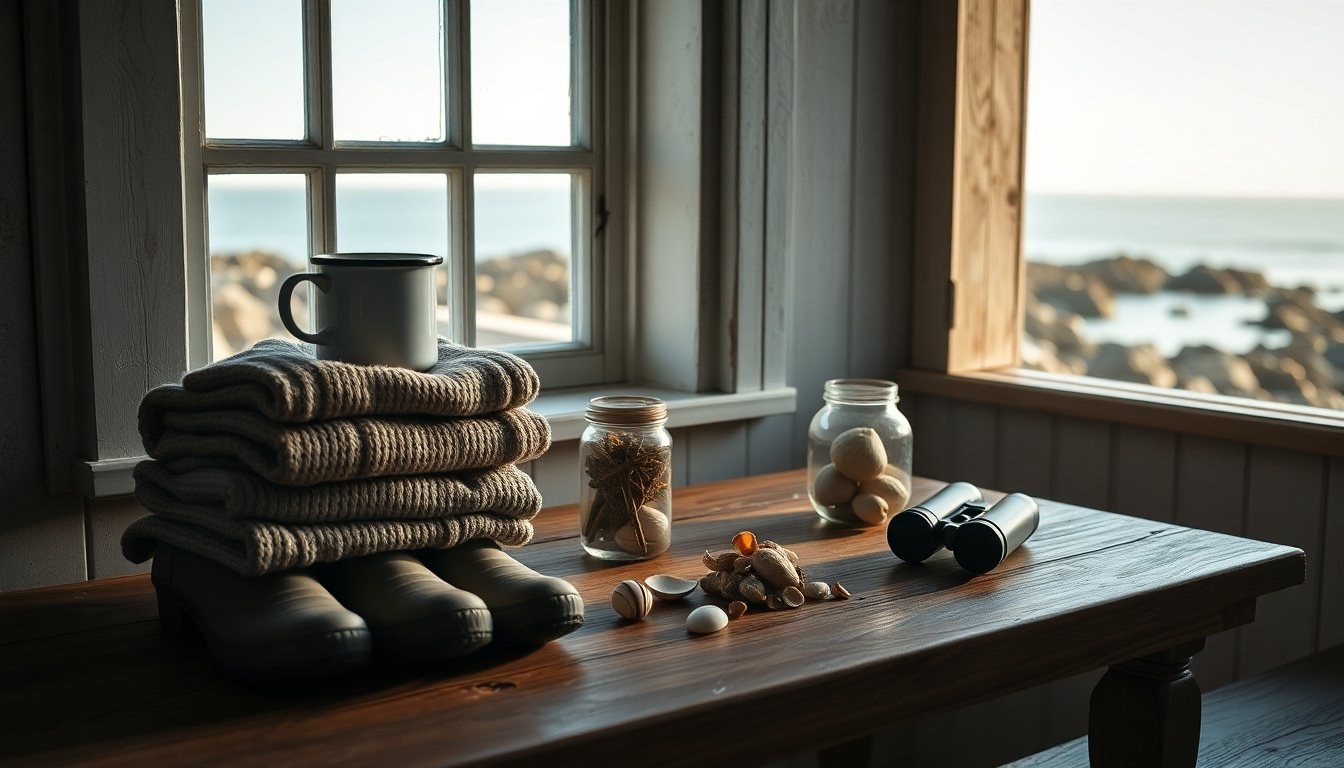
On the rocky edge of Brittany, two women have rearranged their lives to match the rhythm of the sea. Yuna and Mari-Soraya now live in Logonna-Daoulas, a village a short drive from Brest, where the coast is as present in daily routines as weather forecasts. Their move was not an escape but a deliberate shift toward a slower pace, a decision that preserved bonds with the wider lesbian community rather than severing them. The full story appears in the magazine’s spring issue, available in kiosks or by subscription; photography by Yvelizra for Têtu. Publication: 05/05/2026 10:29.
What stands out is the balance they built between solitude and solidarity. In their new life the sea becomes a backdrop for everyday acts—work, meals, small rituals—and the village becomes a place to practice a different kind of belonging. Their approach asks readers to reconsider simple binaries: city versus countryside, visibility versus privacy. For Yuna and Mari-Soraya, staying connected to a wider circle of friends and activists was essential. They speak of a chosen family—a social structure centered on mutual care and shared history rather than blood ties—which has continued to anchor them after the move.
A deliberate relocation and daily rhythms
The decision to relocate to Finistère combined practical needs with emotional priorities. They sought more space and a different tempo, but also wanted to remain accessible to friends and events in the region. The proximity to Brest matters: it keeps them linked to cultural life and political networks while offering the coast’s restorative influence. The couple’s routine is shaped by seasons and tides, and they describe a new set of constraints and freedoms that come with coastal living. This relocation illustrates how environment can transform domestic life without erasing social commitments to community and activism.
Community ties and chosen family
Chosen family is more than a phrase in their story; it is a practiced ethic. For Yuna and Mari-Soraya this means regular visits, online check-ins, shared celebrations and mutual aid. The term chosen family here refers to a network of friends who provide emotional, logistical and sometimes financial support, taking on roles traditionally associated with kin. Moving to the coast required negotiating calendars and travel, but did not diminish the intensity of these ties. Instead, distance reconfigured how they invest in relationships, prompting creative solutions to stay present for one another.
How care travels over distance
Care in their life is portable: a weekend visit, a phone call, communal meals, or hosting friends for work retreats. These practices show that geographic separation does not equal detachment. Yuna and Mari-Soraya coordinate with friends for celebrations and emergencies, and use technology to maintain visibility within networks. The couple emphasizes that a supportive community can cross regional borders, and that moving to a quieter place can actually deepen commitments by making intentional time together more meaningful.
Local reception and everyday belonging
Integration into village life has its own dynamics. Neighbors learn names, local shops become meeting points, and public spaces take on familiar rhythms. At the same time, being part of a visible lesbian couple in a smaller setting raises questions about privacy and presence. Their experience suggests a pragmatic approach: cultivate friendly ties without compromising safety, and use visibility selectively to build cultural recognition. This pragmatic visibility helps create a sense of belonging that sits between activism and personal discretion.
Why this intimate story matters
Stories like this reshape assumptions about LGBTQ+ life beyond urban centers. They highlight how choice and community can coexist, showing that moving to the coast does not require leaving a political or emotional life behind. The reportage in Têtu uses portraiture and local detail to make broader points about identity, belonging and the practicalities of sustaining relationships across space. For readers, Yuna and Mari-Soraya‘s lives offer a model of adaptation: one in which the landscape of daily life changes, but core commitments remain intact and active.
To explore the complete portrait and the images by Yvelizra, look for the magazine’s spring issue at kiosks or through subscription. The piece was published on 05/05/2026 10:29 and invites reflection on how community is made and remade, whether by the sea, in a city, or across distances that friends and chosen family willingly cross.


