
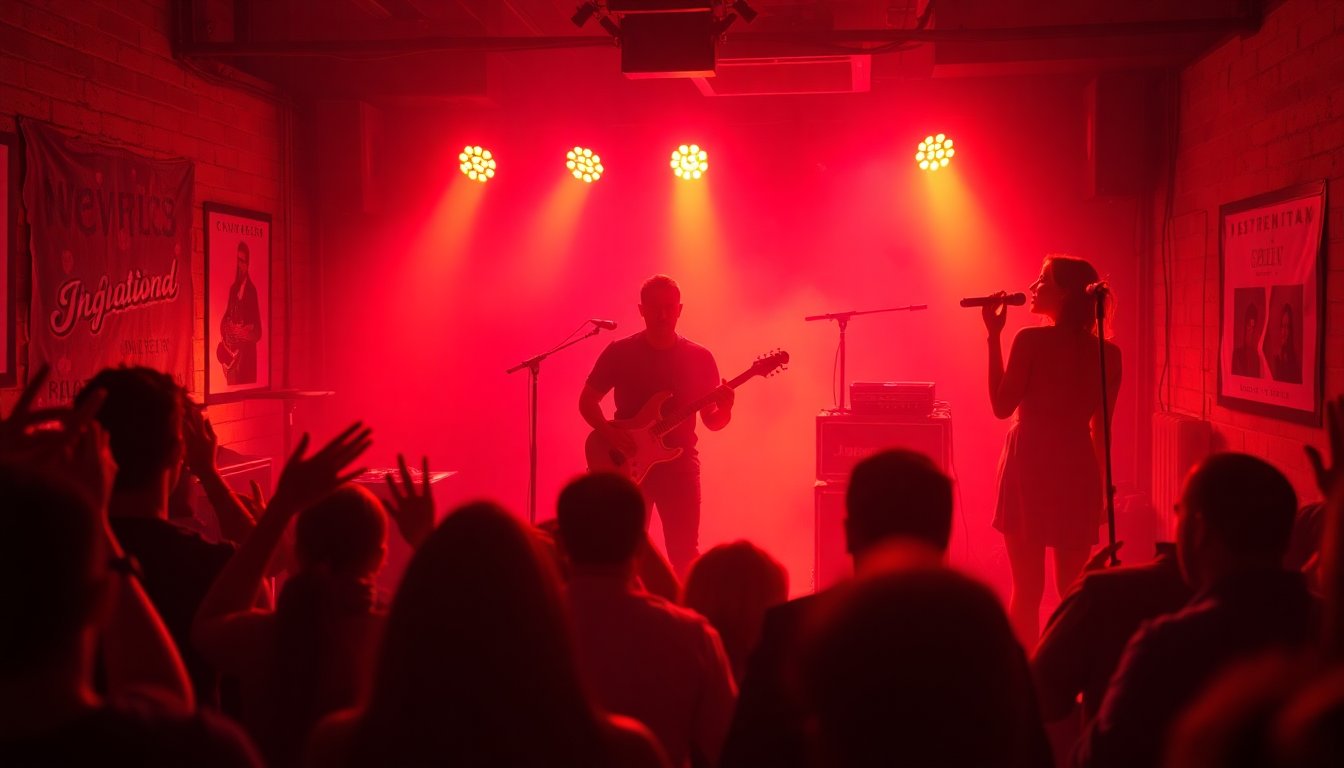
Across club basements, headphones and indie venues a new crop of voices is reshaping what mainstream playlists mean. The surge of queer music coming from artists who identify as non-binary, intersex and lesbian is not just about representation; it’s an energetic reframing of genre, image and storytelling. These performers mix high-intensity dancefloor production, flirtatious pop hooks and emotionally raw indie songwriting to create sounds that feel immediate and personal.
The three acts highlighted here offer a snapshot of that change: one delivers unapologetic club heat, another serves playful sapphic pop with bilingual flair, and the third channels emo-influenced indie through a queer lens. Each project blends identity and style in a way that broadens what pop and alternative music can say about attraction, gender and heartbreak.
Dirty Versachi: a club-ready non-binary anthem
Dirty Versachi has released ENBY COWGIRLFRMHELL, a track they describe as a non-binary anthem designed for the dancefloor. The single pairs electro-pop brightness with rough-edged, queer club textures to produce something intentionally messy and theatrical. Versachi frames gender fluidity in performance, using vocal shifts and persona play to blur masculine and feminine cues and celebrate in-between spaces. The song’s title and attitude were sparked by a Grindr username, a small everyday detail turned into an exuberant piece of nightlife storytelling.
Sound, identity and recent highlights
Musically, the track sits at the intersection of slick synth lines and distorted club percussion, a contrast that makes the chorus land harder. Versachi’s profile has been rising: they DJed the Heaps Gay Mardi Gras main stage in 2026 and have taken part in international songwriting sessions in Los Angeles, expanding their collaborative reach. These milestones underline how club energy and identity-led songwriting can move from underground spaces into larger festival platforms.
Keeana Kee: sapphic pop with bilingual flair
Keeana Kee, a New York–based artist who is openly lesbian, marks the moment with WASABI, a flirt-forward single released to coincide with lesbian visibility Week. The song leans into playful narrative and confident chemistry, delivering a production that works equally well on a late-night dancefloor and in private listening. Keeana’s signature Exotic Pop sound combines fashion-forward visuals and bold songwriting that centers queer desire between women without apology.
Collaboration and language
WASABI features fellow queer artist DJ Citizen Jane and interlaces English and Spanish lyrics, adding a multicultural texture to the pop framework. That bilingual element broadens the track’s emotional palette and gives it cross-cultural appeal. Keeana Kee uses melody and rhythm to translate intimacy into club-ready moments, proving that sapphic narratives can be both joyous and danceable.
Max Aurora & The Southern Lights: emo-tinged indie with heart
Max Aurora & The Southern Lights bring a different tone: their single How I Know It’s Right channels the urgency of 2010s pop-punk and emo while rooted in contemporary indie-pop sensibility. Fronted by intersex, non-binary songwriter Max Aurora, the band focuses on narrative songwriting that explores identity, heartbreak and interpersonal perspective with specificity and emotional clarity. The track balances airy textures with driving guitars to recreate the restless post-heartbreak spiral that many listeners recognise.
Production and perspective
Produced by Jono O’Toole of Cry Club, the song uses layered guitars and tight rhythmic push to support Aurora’s storytelling. The result is music that feels intimate and cathartic at once, offering a queer viewpoint on familiar indie themes. By combining moment-to-moment vulnerability with the punch of alternative rock, the project shows how emo indie can be retooled to foreground queer experience.
What this momentum means
Together, these releases show how queer artists are pushing boundaries across styles—from riotous club songs to bilingual pop and introspective indie. The common thread is authenticity: each act foregrounds identity as an artistic tool rather than a marketing label. That approach is expanding the sonic vocabulary for mainstream and alternative audiences alike, creating new entry points for listeners who want music that reflects a wider range of lives and loves.
For more stories about LGBTIQA+ artists, community news and culture in Australia, visit qnews.com.au. Follow updates and discover new releases across social platforms as queer music continues to evolve and surprise.


