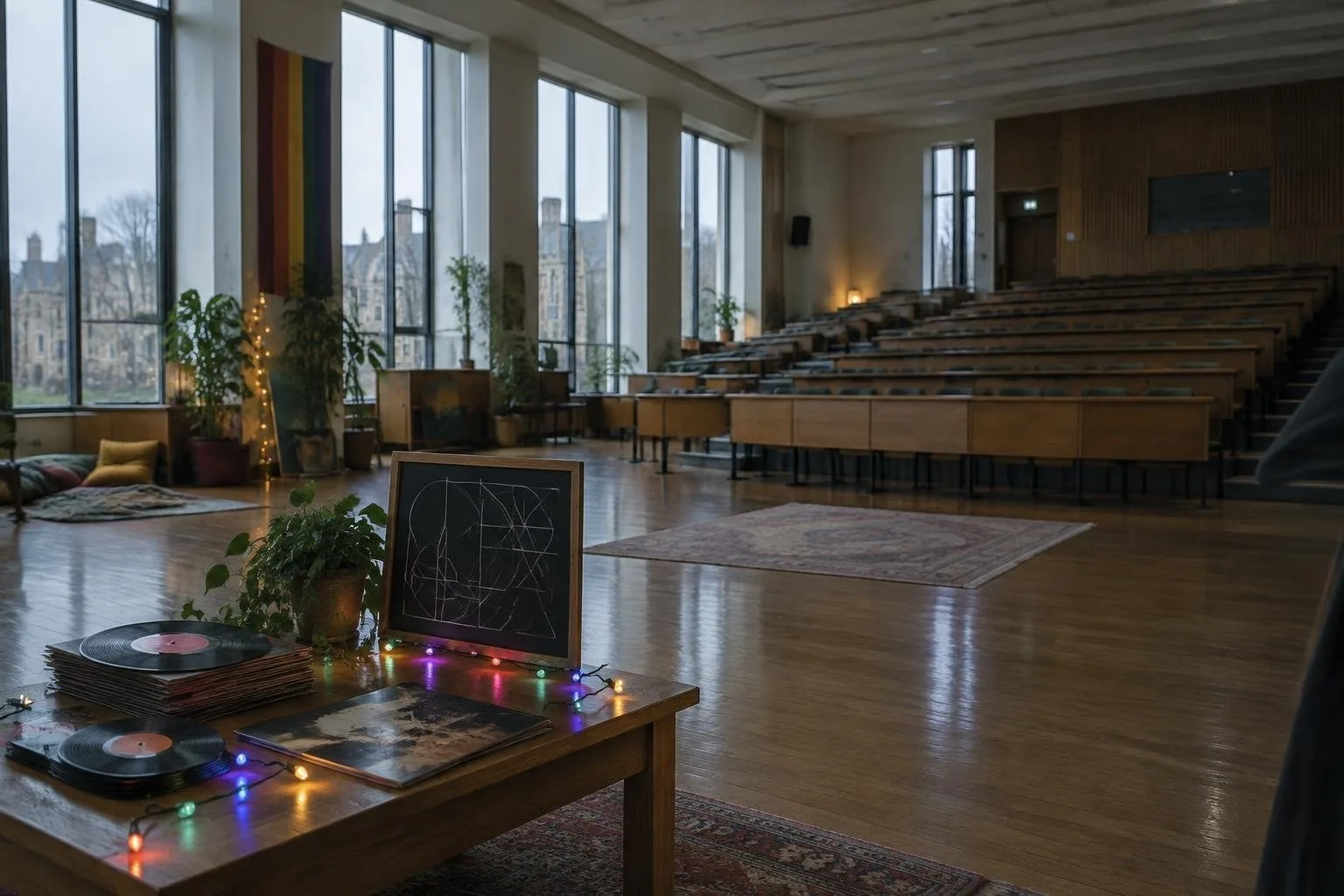
Queer arts have long been a cornerstone of community building and social cohesion. By providing a platform for self-expression and identity formation, queer-led galleries, festivals, and hubs strengthen local networks and promote wellbeing. This article will delve into the various models of queer-led initiatives, comparing their funding approaches, governance, and accessibility practices to offer replicable frameworks for small towns and cities to seed sustainable cultural spaces.
The relevance of queer arts in sustaining community cannot be overstated. Generally, these initiatives provide a safe and inclusive environment for individuals to express themselves, free from the constraints of societal norms. Typically, this leads to the formation of support networks and a sense of belonging among community members. By examining the different models of queer-led galleries, festivals, and hubs, we can gain insight into the most effective strategies for fostering community growth and social connection.
Models of Queer-Led Galleries and Festivals
Queer-led galleries and festivals come in various forms, each with its unique approach to community building. Some models focus on visual arts, providing a platform for queer artists to showcase their work and connect with like-minded individuals. Others prioritize performance arts, hosting events that celebrate queer culture and promote self-expression. By comparing these different models, we can identify the most effective strategies for sustaining community and promoting wellbeing.
Funding Approaches and Governance
The funding approaches and governance structures of queer-led galleries and festivals play a crucial role in their success. Generally, these initiatives rely on a combination of grants, donations, and community support to operate. Typically, this requires a high degree of community engagement and participation in the decision-making process. By examining the different funding approaches and governance structures, we can gain insight into the most effective strategies for ensuring the long-term sustainability of these initiatives.
Accessibility Practices and Replicable Frameworks
Accessibility is a critical aspect of queer-led galleries and festivals, as it ensures that these initiatives are inclusive and welcoming to all members of the community. Generally, this involves implementing accessibility measures such as wheelchair ramps, sign language interpretation, and gender-neutral bathrooms. By comparing the different accessibility practices of queer-led galleries and festivals, we can identify the most effective strategies for creating inclusive and welcoming environments. Additionally, by examining the replicable frameworks of these initiatives, small towns and cities can seed sustainable cultural spaces that promote community growth and wellbeing.
Conclusion and Final Insights
By comparing the different funding approaches, governance structures, and accessibility practices of these initiatives, we can gain insight into the most effective strategies for promoting community growth and wellbeing. Ultimately, the key to sustaining community lies in creating inclusive and welcoming environments that promote self-expression and identity formation. By replicating the frameworks of queer-led galleries and festivals, small towns and cities can seed sustainable cultural spaces that foster social connection and community cohesion.