
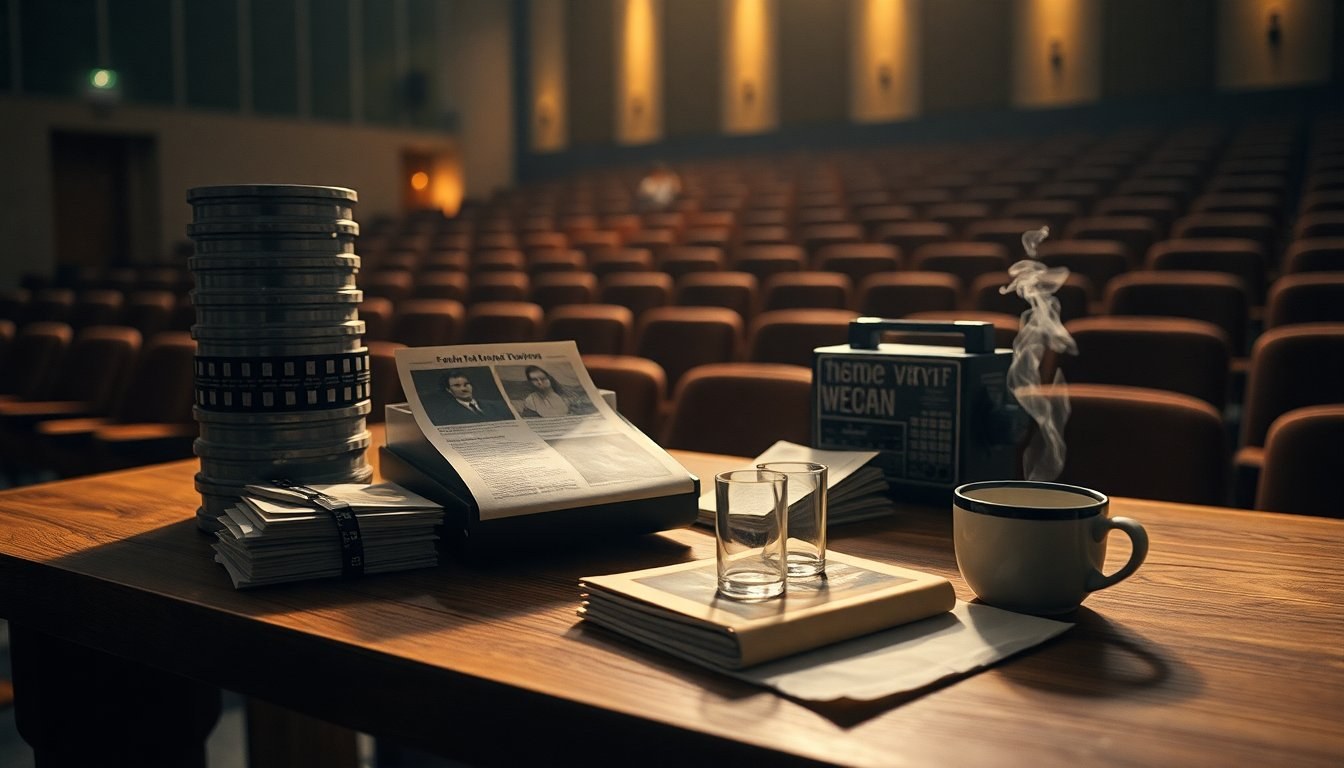
The Barbican is mounting a focused season that brings together rare queer cinema from the 1960s, presenting films that are seldom screened today. This programme highlights the aesthetic diversity and social daring of works made during a decade of cultural change, offering audiences a chance to view prints and restorations that often exist outside mainstream distribution. The season is designed for both newcomers and cinephiles: you can expect a mix of narrative features, experimental shorts and documentary work framed by discussions and contextual material. The organisers emphasise care for preservation and visibility, making the event an invitation to rethink the history of LGBTQ+ representation on screen.
Curators have assembled titles that reveal different facets of queer experience in the 1960s: some films speak through coded melodrama, others through avant-garde techniques, and a few through direct social commentary. The season pairs screenings with supporting events aimed at deepening understanding: introductions by scholars, Q&A sessions with restorers, and collaborative talks that examine production contexts. The initiative also foregrounds the significance of archival prints and the labor involved in film rescue, showing how material circumstances shape which stories survive. For visitors, the season becomes both a viewing programme and an educational resource.
What the season includes
The programme curators have selected a lineup that balances well-known experimental pieces with obscure gems. Expect restored 35mm prints and carefully prepared digital transfers, each presented with attention to original aspect ratios and sound mixes. Highlights include intimate character studies, bold stylistic experiments, and works that challenge mid-century norms about gender and desire. Each screening is introduced with contextual notes to orient viewers to production histories and the political climate of the 1960s. The season also features film excerpts and community screenings designed to spark conversation about the formal and social strategies filmmakers used to negotiate censorship and cultural constraints.
Highlights and programmed events
Programming pairs screenings with live discussions, creating a fuller experience. Panels led by historians and archivists will address restoration decisions and the ethics of exhibition. Workshops focus on archival research and the practicalities of film preservation, while evening talks explore thematic threads such as representation, authorship and underground networks. The aim is to connect cinematic form to broader cultural histories, making clear why these works remain relevant. These events are useful for students, researchers, and general audiences interested in how queer cinema from the 1960s contributes to contemporary film discourse.
Why these films matter now
Reintroducing these titles invites audiences to see the continuity between past and present queer cultural production. The works screened during the season show how filmmakers navigated social invisibility, coded language and experimental visual strategies to express desire and identity. Presenting them in a dedicated context helps dismantle assumptions that queer representation begins later in film history. Instead, the season foregrounds a lineage of creativity and resistance. The screenings also offer a chance to reflect on preservation priorities: which films have been saved, which remain at risk, and why institutional attention can alter cultural memory.
Context, restoration and accessibility
Restoration work is a central theme of the season, emphasising that many films survive only because archivists and rights holders invest in recovery. The programme explains technical terms and processes, such as the use of original negatives, color timing and sound remastering, with accessible demonstrations. These explanations help demystify the work behind putting a fifty- or sixty-year-old print back on screen. Accessibility measures are also announced to ensure diverse audiences can participate: captioned screenings, relaxed performances, and supplementary materials that make the material approachable for those new to film history.
Practical information and note
If you plan to attend, check the Barbican website for session times and booking details; some events may require advance tickets or have limited capacity. The season is presented as a celebration of discovery and scholarship, inviting sustained engagement with films that rarely appear in commercial circuits. For reference, this coverage reflects the original announcement published 05/05/2026 10:06, which introduced the season and its aims. Whether you come for a single screening or follow the entire programme, the season offers a rare opportunity to encounter 1960s queer cinema in a curated and company-minded setting.


