TV3 altered the Malaysian broadcast of the inaugural Eurovision Song Contest Asia on 14 November 2026, removing footage of Filipino spokesperson Vice Ganda and portions of the opening number shown live from Bangkok.
Last update: 17 November 2026. The edits mattered because they excised visible LGBTQ+ representation from a live pan-Asian entertainment event, raising questions about contractual obligations, local media regulation, and the contest’s stated values of universality and inclusivity.
What was altered in the Malaysian feed
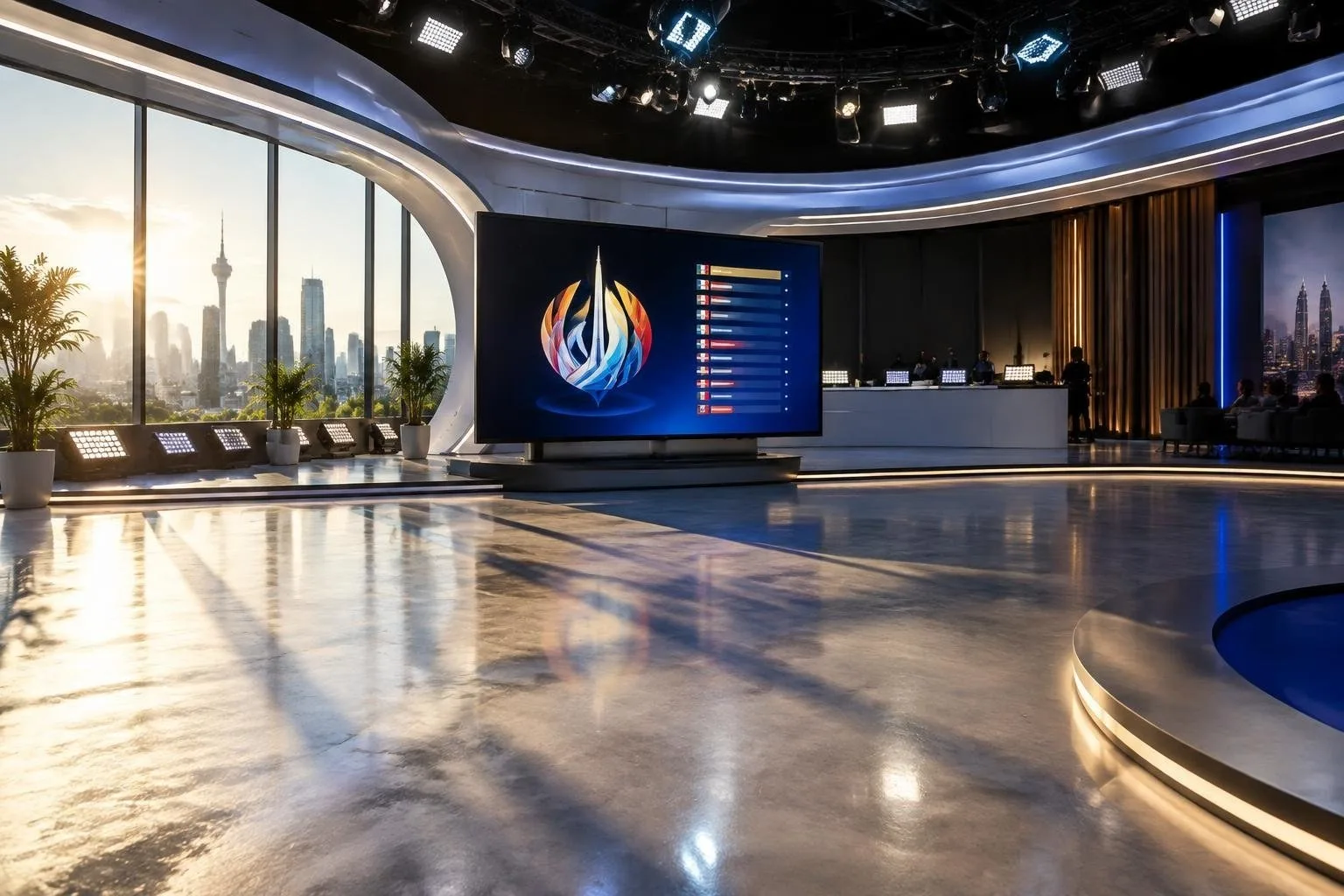
During the live final of Eurovision Song Contest Asia on 14 November 2026, viewers in Malaysia saw a static contest logo and a scoreboard while the audio continued as the Philippine jury announced its points. The international feed showed Vice Ganda delivering the Philippines’ points and awarding 12 points to Malaysia’s entrant, Aina Abdul, for the song “Bluest Sky”.
Earlier in the broadcast, scenes from the opening number that featured Thai street-food stalls with drag performers were replaced in the Malaysian transmission by a wide rehearsal-angle shot that omitted the drag artists. The two edits, of the spokesperson segment and the opening sequence, were absent from all other transmissions of the show.
Responses from organisers and broadcaster inquiries
Martin Green, director of the Eurovision Song Contest, said the alteration appeared isolated to the Malaysian feed and confirmed that the European Broadcasting Union would write to the contest’s Asian licence holder, Voxovation, to seek clarification. Voxovation said it was investigating and pledged to work with the broadcaster to prevent a repeat.
The European Broadcasting Union’s communications head reiterated that the contest’s core values are non-negotiable and that the organisation would seek explanations and assurances on unedited transmission in future licensing. The engagement by those bodies has focused attention on contractual language between producers and national broadcasters for live international events.
Legal and regulatory backdrop in Malaysia
Malaysia’s legal framework has been cited as a probable driver of the edits. Under the Penal Code, consensual same-sex activity carries penalties including up to 20 years’ imprisonment and potential corporal punishment, and several states enforce Sharia-based laws that impose fines, caning, or jail terms for gender-nonconforming expression.
In March 2024, Home Minister Datuk Seri Saifuddin Nasution Ismail addressed the Film Censorship Board, stating that “Any film promoting the lifestyle will not be approved for screening in Malaysia”. That policy context has previously led to the denial of theatrical release to international films, including Pixar’s Lightyear (2022) and the Elton John biopic Rocketman (2019), because of LGBTQ+ themes.
Public reaction and implications for regional broadcasting
Fans, advocacy groups and viewers posted criticism on social media after the cut-aways, describing the edits as inconsistent with the contest’s stated ethos and noting the irony that the Philippines’ spokesperson was removed while the Malaysian entry received the Philippines’ maximum points. The winning entry from the Philippines was presented onstage by Carmelle with the song “Sobra-Sobra” and received attention in online discussion around inclusivity.
The episode revived debate about how international formats that originated in Europe adapt to diverse legal environments across Asia. Observers pointed to earlier incidents involving international broadcasters and streaming services that removed or altered entries for local markets, and to the need for clearer contractual safeguards to ensure unedited transmission or agreed exemptions.
Licensing bodies and production companies that expand events to new territories now face practical choices: insist on clauses requiring unedited international feeds, negotiate local-delivery options that preserve imagery in alternative platforms, or accept that national broadcasters may apply domestic censorship. The EBU and Voxovation’s inquiries will inform whether future contests add stronger compliance mechanisms.
The Malaysia incident also raises potential regulatory follow-up, including whether national media regulators or the Film Censorship Board will issue formal guidance on live entertainment transmissions. Broadcasters carrying future international finals in jurisdictions with restrictive laws may face contractual disputes, reputational scrutiny, or calls for clearer pre-transmission vetting. Audiences can expect further clarification from the organisers as Voxovation completes its investigation.