In recent years, the Diwali festival has evolved beyond traditional religious observance for many members of the South Asian diaspora. In major cities like New York and London, new forms of celebration have emerged that explicitly welcome LGBTQ+ individuals. These events serve as safe harbors where participants can embrace both their cultural roots and their sexual or gender identities without conflict. The atmosphere is one of joyous resistance, marked by glittering attire, music, and communal support.
The significance of these gatherings extends beyond mere entertainment. They represent a deliberate effort to create spaces where queer South Asians do not have to choose between faith and self-expression. By integrating elements of Bollywood culture, drag performance, and traditional rituals, organizers are crafting a new narrative. This narrative asserts that diversity is inherent to the community, challenging long-standing norms of conformity and silence.
A Brooklyn Ball for Visibility and Support
In Brooklyn, the fourth annual Queer Diwali Ball organized by Desi Rainbow drew over 200 attendees. The nonprofit, founded by Aruna Rao, began as a small support group for parents navigating the complexities of having transgender or queer children. Over time, it expanded into a broader organization serving more than 2,000 people across the United States. The event raised approximately $35,000, funds crucial for continuing this vital work.
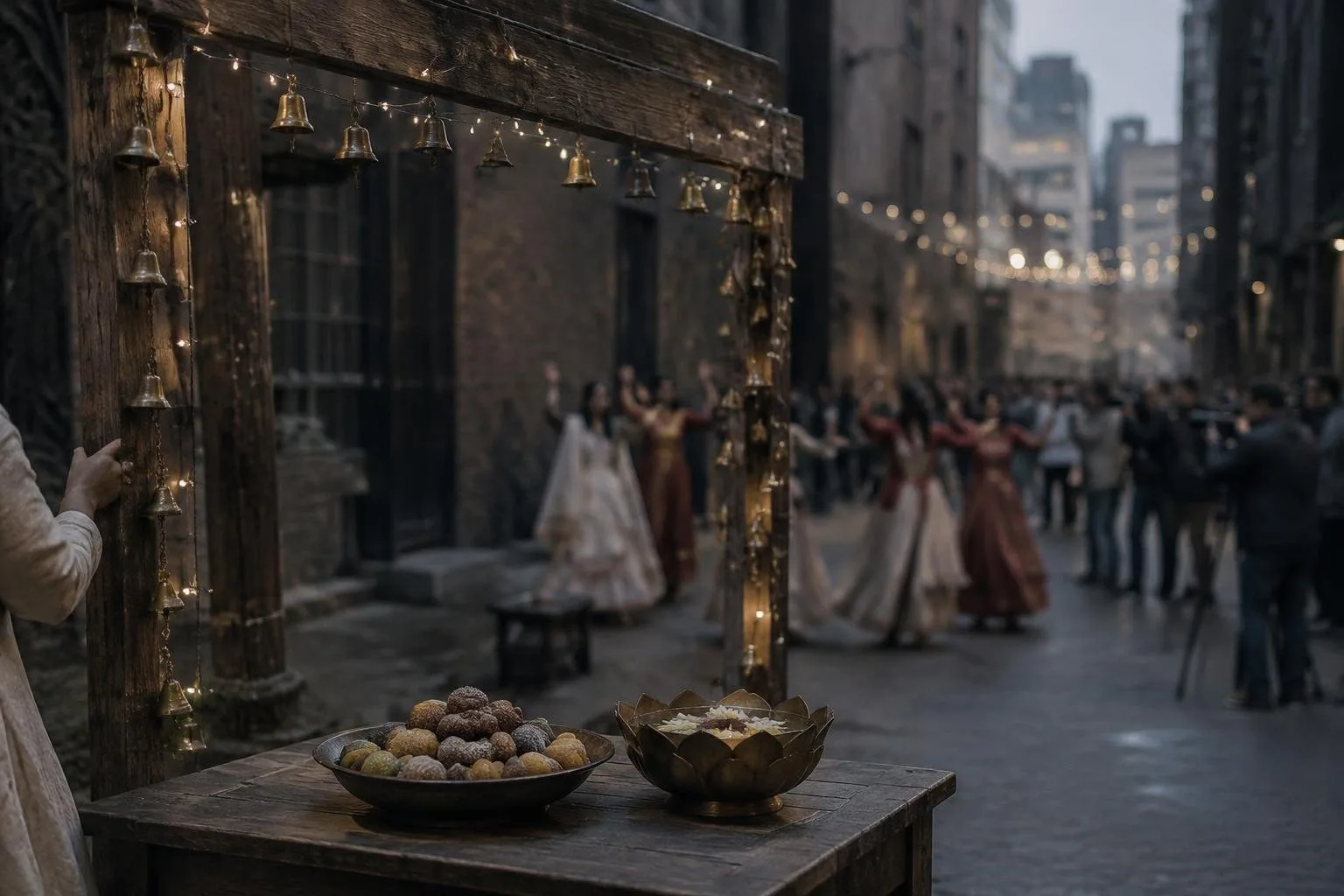
The venue was adorned with marigolds, sequins, and tea lights, creating an ambiance that honored the victory of light over darkness. Attendees wore formal Indian attire, including saris and kurtas, often styled with bold, non-traditional flair. Drag queens performed alongside families with young children, illustrating the intergenerational nature of the support system. For many, this visibility was a direct response to political pressures targeting same-sex marriage and transgender rights, offering a counter-narrative rooted in knowledge rather than ignorance.
Navigating Cultural and Familial Expectations
The ball provided a platform for stories of acceptance and struggle. Fahmida Rashid, whose children came out as queer, used the Desi Rainbow network to explain pronouns to her Bangladeshi Muslim parents. Her experience highlights the linguistic and cultural hurdles faced by families attempting to reconcile tradition with modern identity. Similarly, Gita Jacob, a Malayali Christian visiting from India, attended with her daughter Tina to show solidarity. Gita’s enjoyment of the performances underscored the potential for cross-generational understanding when safe spaces are created.
Vendors at the event offered services ranging from ayurvedic products to healthcare specifically for LGBTQ+ youth. This practical support complemented the emotional resonance of the evening. Performers like Abhijeet, a drag queen from Chicago, emphasized the dual burden of racism and homophobia faced by queer immigrants. Their presence reinforced the idea that these celebrations are acts of survival and defiance against systemic exclusion.
Reimagining Heritage in London’s Creative Scene
Across the Atlantic, London hosted its own iteration of this evolving tradition with the Disco Diwali party at Soho Mews House. Co-hosted by Aisha Bennett and Katrina Mirpuri, the event focused on carrying forward the memories of grandparents who arrived in the UK during the 1960s. Rather than replicating past formats exactly, they sought to honor those traditions while making room for new expressions of British-Indian identity.
The night featured a blend of vintage saris, bindis worn by men, and modern fashion choices. Music ranged from the Bollywood Brass Band to sets by DJ Ritu MBE, creating a soundtrack described as “desi disco.” This fusion reflected the hosts’ desire to avoid prescribing a single way to be South Asian. Instead, they celebrated the multiplicity of experiences within the diaspora, encouraging guests to feel free to be themselves.
Community and Chosen Family
Guests at the London event shared personal reflections on what Diwali means to them. Many spoke about the importance of chosen family and the opportunity to connect with others outside their immediate households. For some, the festival represented a liberation from the pressure to shrink oneself to fit societal expectations. It became a time to celebrate differences and foster understanding through shared joy.
The emphasis on inclusivity extended to all backgrounds, regardless of religion or ethnicity. Participants noted that seeing diverse groups come together mirrored the spirit of festivals in Mumbai, where celebrations often transcended religious boundaries. This sense of openness helped build a cohesive community that values authenticity over assimilation, ensuring that future generations inherit a richer, more inclusive cultural legacy.