The worldwide legal picture for consensual same-sex sexual acts remains split. Sixty-five United Nations member states continue to criminalise such behaviour, a figure that has slipped from more than ninety at the start of the 2000s but still represents a sizable portion of the globe. Penalties vary dramatically, from modest fines to life imprisonment and, in a handful of jurisdictions, the death penalty. Recent judicial decisions and legislative moves have both narrowed and widened the scope of criminalisation, creating a volatile landscape for LGBTQ+ rights.
In the Caribbean, a landmark judgment on 10 November 2026 reshaped expectations. The London-based Judicial Committee of the Privy Council, the final appellate court for many former British colonies, declared that Trinidad & Tobago’s statutes prohibiting private, consensual same-sex intimacy were unjustifiable in a society that respects individual freedoms. This ruling followed a series of de-criminalisations across the region: St. Lucia repealed its ban in 2025; Namibia, Niue and Dominica did so in 2024; Mauritius and the Cook Islands in 2023; and Singapore, Antigua & Barbuda, Saint Kitts & Nevis, and Barbados in 2022. Each of these changes nudged the global total down, illustrating a modest but meaningful shift toward greater tolerance.
Criminalisation expands in parts of Africa and the Middle East
While some nations retreat from anti-gay legislation, others double down. On 11 June 2026, Niger adopted a new penal code that explicitly criminalises same-sex relations, echoing similar moves by its neighbours Burkina Faso and Mali in 2025. The Nigerese law prescribes up to ten years of imprisonment and fines for private intimacy, and even harsher sentences for perceived “aggravated” offences. Across the continent, the legal climate ranges from modest custodial terms to extreme punitive measures, with several countries re-examining the severity of their statutes.
Death-penalty jurisdictions
According to ILGA World, seven UN members retain the death penalty for certain homosexual conduct. Brunei’s Sharia-based Penal Code technically allows stoning to death for specific male-to-male acts, though an execution moratorium is in place. Iran, Mauritania, Saudi Arabia, Yemen and Uganda also prescribe capital punishment for particular offences, while in twelve northern Nigerian states Sharia law permits death for the same. In practice, the death sentence is rarely carried out, yet its legal existence perpetuates a climate of fear.
Life-imprisonment statutes
Beyond the death-penalty group, several states impose life sentences for consensual same-sex activity. Bangladesh, Guyana, Sierra Leone, Sudan, Tanzania, The Gambia and Zambia each allow life imprisonment under specific conditions. Sudan, for example, removed the death penalty in 2020 but still mandates life behind bars after a third conviction. These harsh penalties coexist with lesser punishments in the same legal systems, creating a patchwork of enforcement that often depends on the discretion of local courts.
Regional penalty snapshots
In Africa, the spectrum of sanctions includes Algeria (up to three years and a fine), Kenya (up to 14 years), Malawi (up to 14 years with corporal punishment) and Senegal, which raised its maximum term from five to ten years in March 2026. In Asia and the Middle East, Indonesia’s Aceh province can impose up to 100 lashes, Malaysia allows up to 20 years and whipping, and the Maldives adds eight years plus 100 lashes under Sharia. The Caribbean continues to enforce harsh terms: Grenada imposes a ten-year maximum, Guyana mandates life imprisonment, and Jamaica applies a ten-year sentence coupled with hard labour.
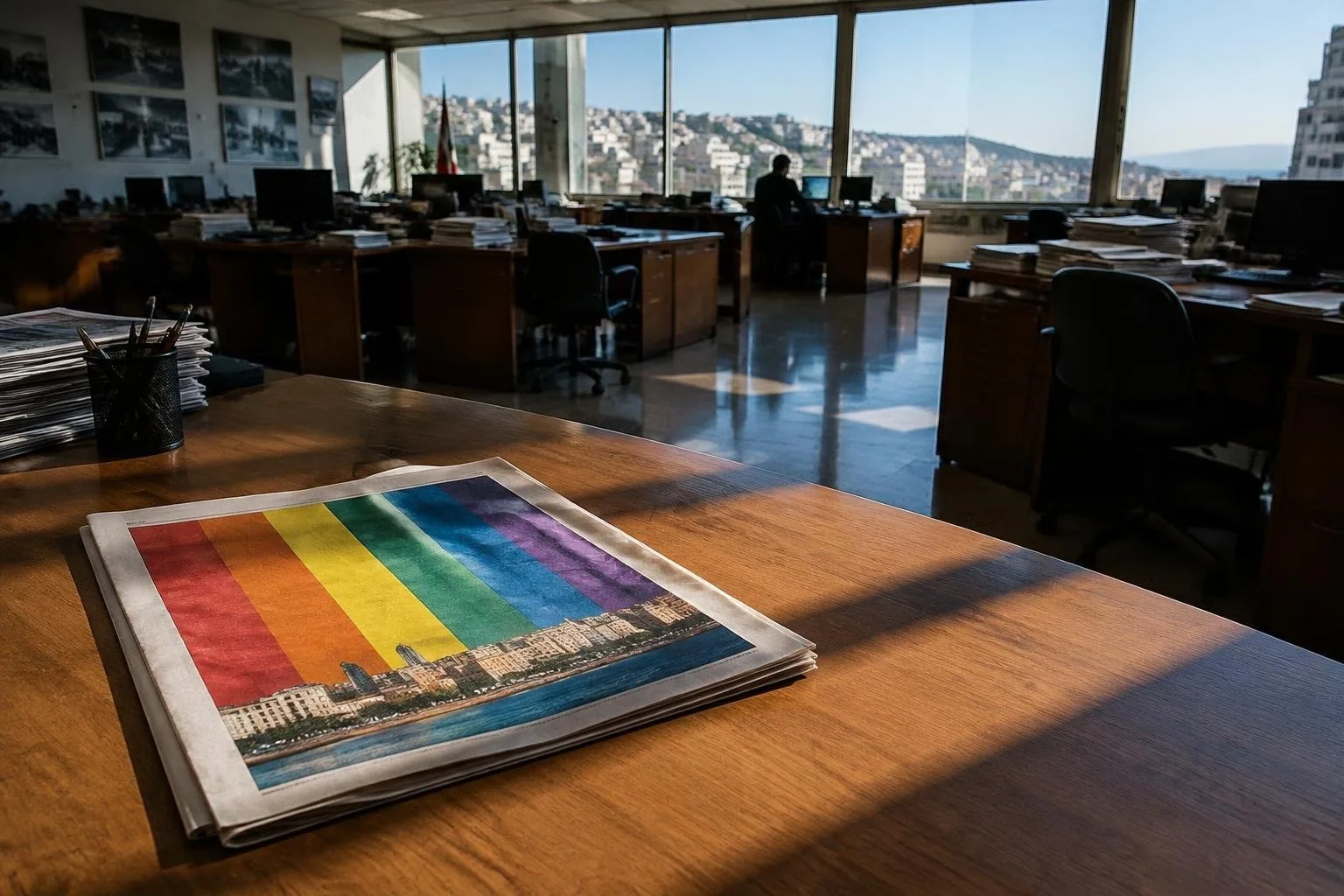
Amid these developments, a rare public call for reform emerged from Lebanon. The nation’s major Arabic daily, Annahar, featured a front-page editorial on 17 November 2026 urging legislators to repeal the country’s anti-homosexuality clauses. While Lebanon remains a nation where same-sex acts are technically illegal, the editorial signals a growing willingness within parts of the Arab world to question entrenched criminal statutes.
The current map of criminalisation can be visualised in three colour bands. Nations in red enforce nationwide sodomy laws without known reform attempts. Orange denotes countries such as Indonesia where sub-national jurisdictions apply anti-gay statutes. Yellow highlights states where existing sodomy provisions are actively being challenged in court. Finally, pink marks Sri Lanka, where a parliamentary bill seeks to repeal its colonial-era ban. This visual taxonomy underscores the uneven pace of change and the importance of legal challenges in reshaping the Global lgbtq+ rights landscape.