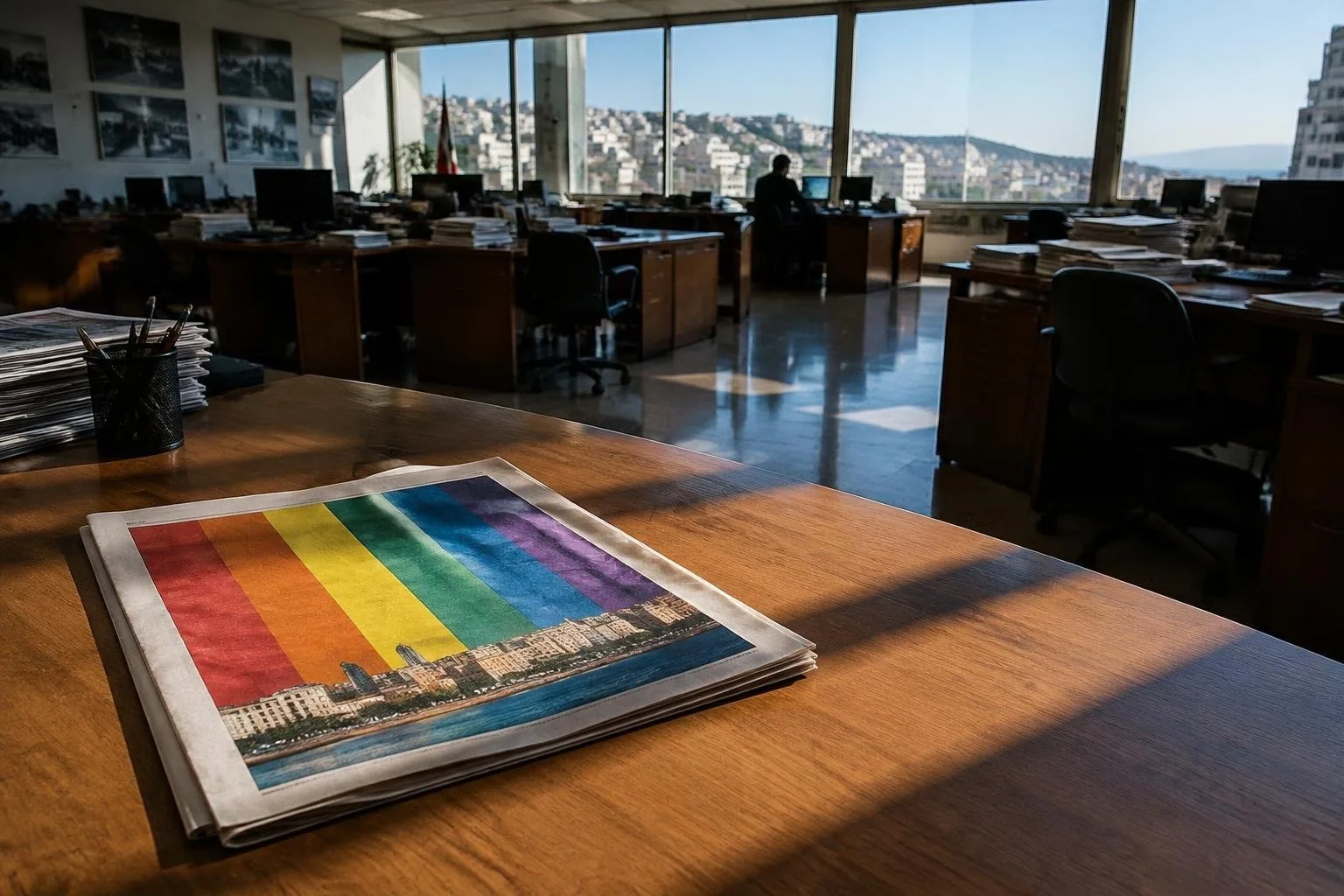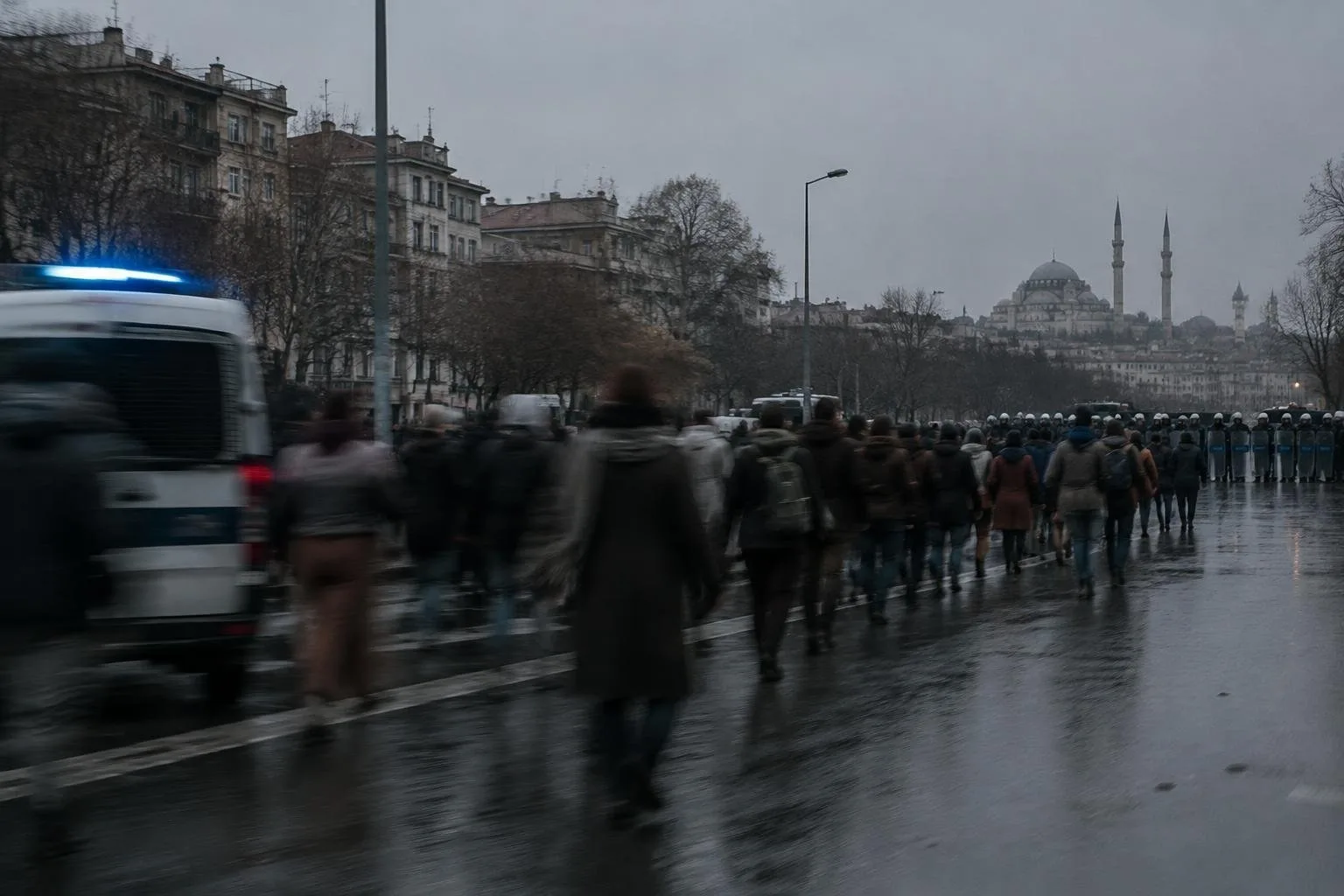
In the autumn of 2026 the Turkish state launched a coordinated offensive against the country’s LGBTI+ community. Within weeks, more than a hundred people were taken into custody, dozens of activist websites vanished, and prosecutors filed dissolution requests against several organisations that provide legal aid, health information and peer support. The operation, dubbed “My Family Is Safe,” was framed by officials as a defence of public order, yet the pattern of arrests, digital censorship and judicial pressure points to a systematic effort to silence dissenting voices on gender and sexuality.
Mass arrests and digital repression
On 12 September 2026 police raids in five cities resulted in at least 117 detentions, including 44 LGBTI+ rights defenders. Most of those taken into pre-trial custody were trans women accused of prostitution or obscenity, while others faced drug-related charges. The crackdown targeted seven LGBTI+ NGOs and two HIV organisations; their offices were searched, computers seized and the governor’s office urged prosecutors to consider shutting them down. The same day a court order forced the blocking of the UniKuir news portal and the websites of May 17 Association, Pembe Hayat, SPoD, Young LGBTI+ Association, Lambda Istanbul, Muamma LGBTI+ and Velvele, without any public justification.
Two days later, the social-media platform X saw dozens of accounts associated with university LGBTI+ groups and the late trans activist Alexey Rûyan Aydın removed. Simultaneously, 125 protestors demonstrating against the raids in Ankara, Istanbul and İzmir were detained, though they were released shortly after. The Ministry of Justice amplified the pressure by circulating a circular that ordered prosecutors in all 81 provinces to investigate any content deemed contrary to “public morality” or harmful to families, children and youth, including material that allegedly promoted “genderlessness.” The vague wording of the notice gives prosecutors broad discretion to pursue criminal investigations against ordinary advocacy work.
Judicial attempts to dissolve LGBTI+ organisations
Following the wave of arrests, prosecutors turned their attention to the legal status of activist groups. The Social Policy, Gender Identity and Sexual Orientation Studies Association (SPoD), founded in 2011, became the flagship case. On 2 November an indictment under Turkey’s Law on Associations accused four founders of operating beyond their bylaws and violating “law and morality.” Prosecutors alleged that SPoD’s campaigns for equal employment created “division within the state,” and cited an audit, financial-crime reports and social-media posts to substantiate the claim. Two founders have been held in pre-trial detention since September, and the court has set a hearing for 18 November at the Istanbul Çağlayan Courthouse. If the dissolution is approved, the organization could be forced to cease all activities and its assets liquidated.
SPoD is not the only target. In September, authorities also opened dissolution proceedings against Muamma LGBTI+ and Mersin 7 Renk LGBTI+, both based in the southern province of Mersin. Lambda Istanbul’s office was sealed on 11 November, and the independent online newspaper T24 faced a closure order after prosecutors labelled 118 of its articles as “LGBT propaganda.” Meanwhile, members of the Kaos GL board and journalist Tuğba Tekerek were arrested, and detainees later reported systematic torture, strip-searches and denial of basic hygiene in Sincan Prison. Overcrowded cells, lack of mattresses and insufficient medication were documented in Mersin’s detention facilities, with HIV-positive inmates placed in solitary confinement.
Human rights impact and international reaction
The cascade of arrests, website blocks and dissolution petitions has drawn swift condemnation from international watchdogs. human rights Watch described the September operation as “a blatant attempt to criminalise and marginalise LGBT people,” while ILGA-Europe called the series of actions “the first mass criminalisation of LGBTI+ activists and associations as part of the government’s anti-LGBTI+ agenda.” Amnesty International launched an urgent action on 2 October to demand the release of detained defenders Janset Kalan and Nedime Erdoğa. Reports from local lawyers highlighted the inhumane conditions faced by detainees, including lack of clean clothing, water and essential medication, and the use of solitary confinement for people living with HIV.
Amid the crackdown, Turkey is hosting the COP31 climate summit in Antalya, raising concerns that the international spotlight may amplify scrutiny of the government’s human-rights record. Rights groups, trade unions, professional chambers and journalists have been urged to attend the 18-November hearing on SPoD’s dissolution, arguing that the case threatens the broader principle of freedom of association. While a few Kaos GL board members were released in early November, the core of the prosecution remains intact, leaving the future of Turkey’s LGBTI+ civil society in a precarious state.