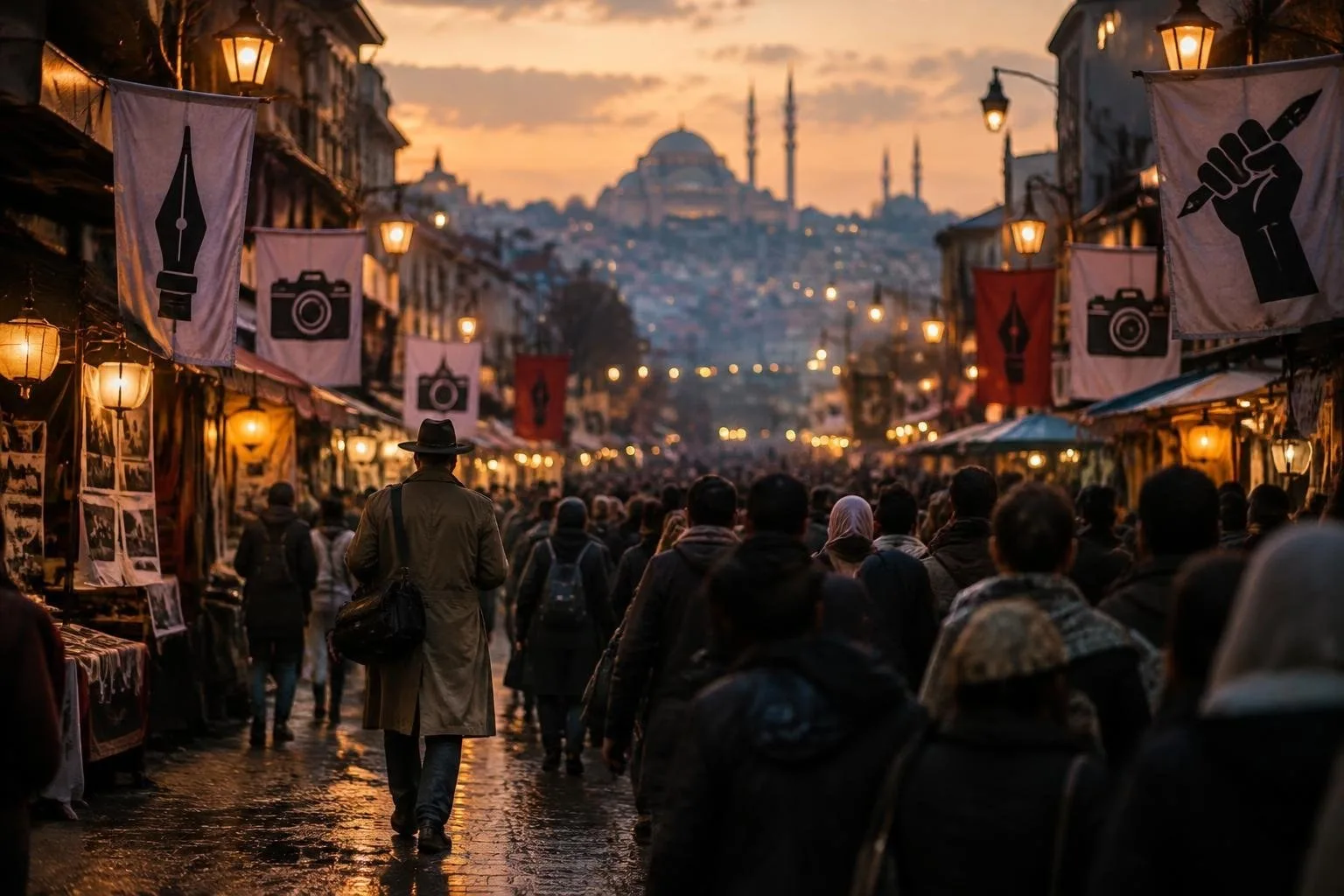
On a Saturday that saw the sun rise over both the Asian and European sides of Istanbul, crowds numbering in the thousands flooded the streets, chanting slogans that echoed the frustration of a press under siege. Parallel gatherings in Ankara added a northern voice to the outcry, with police estimates placing the number of demonstrators at roughly 3,000. The protests were not merely a showcase of dissent; they represented a collective demand for the restoration of press freedom and the immediate release of journalists currently serving jail terms.
Organisers comprised a blend of veteran reporters, members of journalists’ unions, human-rights activists and opposition party supporters. Banners bore images of incarcerated correspondents, while chants such as “Enough!” and “We can no longer breathe!” resonated through city squares, underscoring a palpable sense of urgency. The atmosphere was charged, yet peaceful, as participants held a mirror to the growing authoritarian tendencies that have reshaped Turkey’s media landscape over the past decade.
Escalating arrests and shuttered outlets
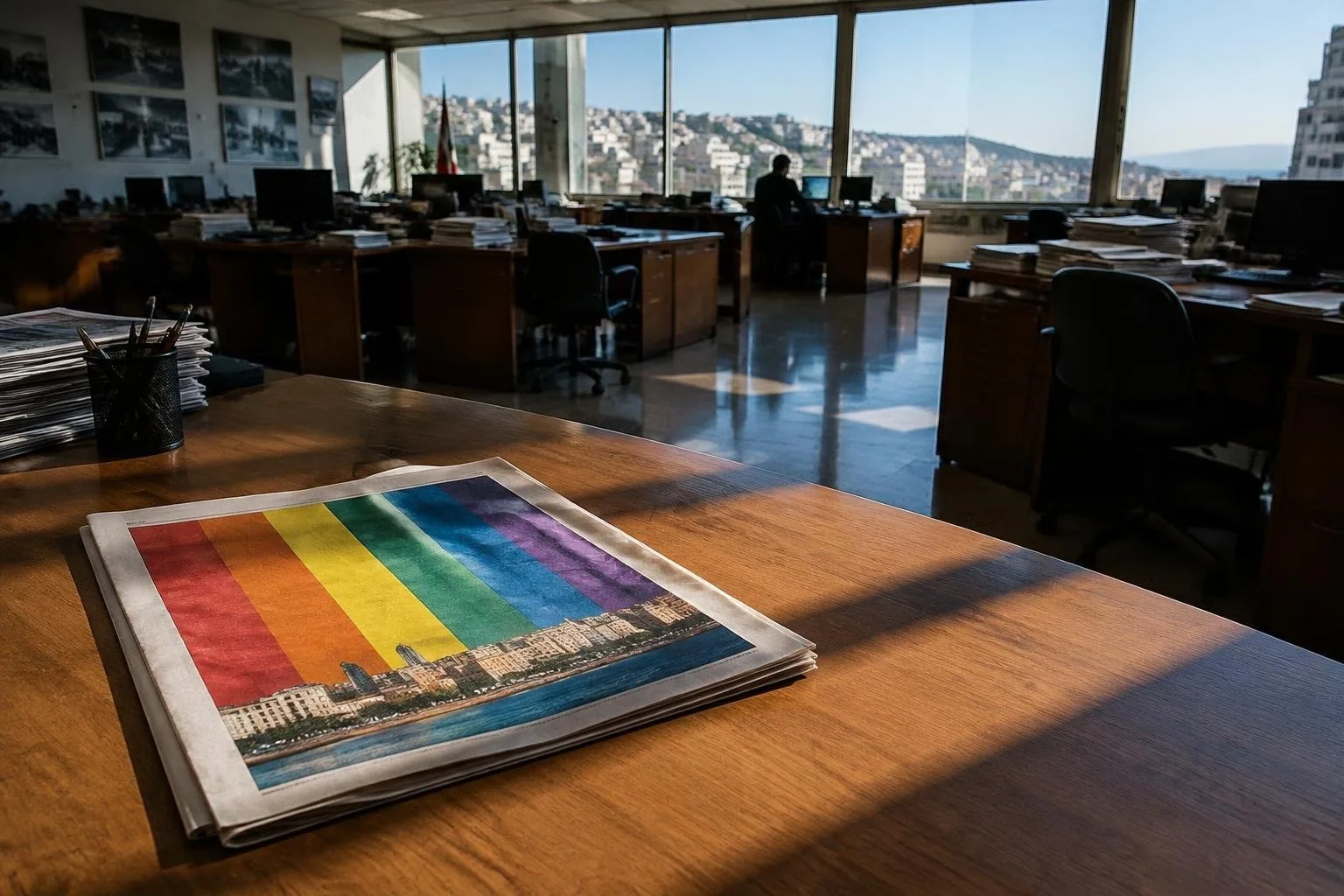
Within the last two months, the Turkish authorities have locked up eleven journalists on charges ranging from “insulting a public official” to alleged dissemination of “misleading information.” Simultaneously, several high-profile media outlets have been forced to cease operations. Notably, the state-run takeover of Halk TV, the nation’s most-watched news channel, resulted in an abrupt suspension of its broadcasts and the appointment of a government-selected administrator. Earlier in the month, the digital news platform T24 saw its website and social-media accounts removed on the pretext of “LGBT propaganda,” a claim widely dismissed by observers as a pretext for silencing criticism.
Veteran journalist Zafer Arapkirli, who faces multiple lawsuits himself, emphasized that the street protests are as much about safeguarding the public’s right to information as they are about protecting individual reporters. “The regime aims to intimidate society by arresting journalists, seizing media houses, and blocking social platforms,” he warned. His comments reflect a broader narrative: the government’s legal tactics are being wielded to create a monolithic information environment where dissenting voices struggle to survive.
Digital censorship expands with platform cooperation
The crackdown is not confined to traditional media. Recent analysis by Freedom House rates Turkey’s internet environment at a dismal 31 out of 100, labeling it “Not Free.” The report documents systematic orders that compel global platforms to block hundreds of accounts linked to journalists, NGOs, and independent outlets. In September alone, more than 1,200 accounts on the X platform were rendered inaccessible within Turkey, affecting users with a combined following of roughly 35 million. Meta’s Instagram and Facebook services have similarly been forced to restrict accounts belonging to organizations such as Kısa Dalga and Kaos GL.
Human-rights monitors criticize the opacity of these directives: account owners receive only a brief citation of Turkish law, without the underlying court decisions, leaving them unable to contest the bans. The legal basis frequently invoked is Article 8/A of Internet Law No. 5651, which permits content removal on grounds of “national security” or “public order.” Platforms that refuse to comply risk hefty fines and bandwidth throttling, creating a chilling effect that extends well beyond Turkey’s borders.
Financial investigations become a new battleground
Recent months have also seen the suppression of reporting on a multi-billion-dollar investment fund scandal implicating figures close to President Recep Tayyip Erdogan. Journalists such as Mustafa Balcı and Şaban Sevinç were detained for covering the story, while courts ordered the removal of articles that questioned the assets of Justice Minister Akın Gürlek. The digital footprint of the investigation was further eroded when a video by Germany-based investigative journalist Cevheri Güven was blocked, demonstrating how the censorship net reaches across borders.
These actions suggest a strategic pivot: the government is now targeting not only traditional broadcasting but also the digital channels that amplify investigative journalism. By combining street-level intimidation with sophisticated online blocks, the authorities aim to construct a singular, state-aligned narrative. Yet the mass mobilisations in Istanbul and Ankara reveal a resilient civil society unwilling to surrender the principle that a free press is essential to a healthy democracy.