The release of Possession Island on 1 December 2026 marks a significant moment in contemporary queer literature. Author Sarah McCarry, known for her Metamorphoses Trilogy, delivers a sharp, moody thriller that leverages the conventions of the gothic genre to interrogate heteronormative structures. Published by Saturday Books, an imprint of St. Martin’s Press, the novel is not merely an entertainment piece but a critical intervention in how media represents marginalized identities.
Subverting the Gothic Tradition
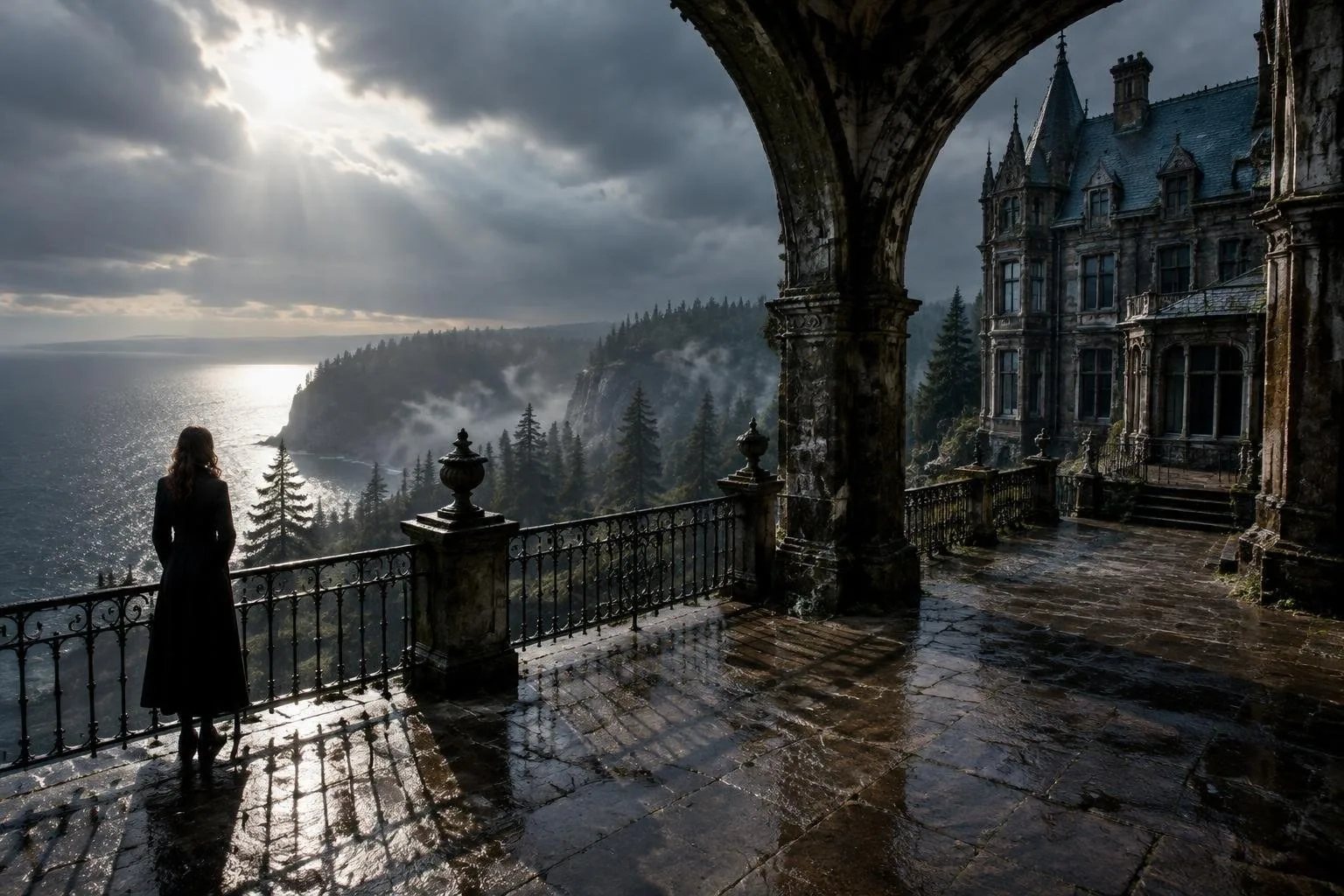
McCarry sets her narrative on a remote island off the coast of Washington state, a location forever altered by the legacy of Angela Bell’s late mother, Valentine de Sanglante. Valentine wrote a wildly popular lesbian vampire novel titled Possession Island, which turned the quiet community into a site of pilgrimage and resentment. This metafictional layer serves as a mirror, reflecting how stories about queer desire are often commodified while the lives of queer individuals remain scrutinized or silenced.
In traditional vampire lore, women are frequently victims. Characters like Lucy are drained, and Mina is marked, their agency stripped away by male monsters. McCarry reverses this dynamic. On her fictional island, the women possess the teeth. The men, including police officers, fathers, and charming brothers, are depicted as oblivious to the danger posed by those they underestimate. This inversion challenges the passive role historically assigned to female characters in horror, positioning queer women as active agents capable of both violence and survival.
The Politics of Visibility and Silence
The plot centers on Angela Bell, who returns home from college only to find her estranged best friend, Mo, murdered. Angela’s only ally is Sally Raleigh, a former rival with whom she shares a complex history of jealousy and mutual recognition. Their forced collaboration highlights the isolation experienced by those living under the weight of public perception. The islanders’ refusal to leave the place that defines them parallels the broader struggle for visibility within communities that resist change.
Set in the late 1990s, before the ubiquity of smartphones and social media surveillance, the novel explores how secrets can be maintained through collective silence. This temporal setting underscores the precariousness of queer existence in spaces where acceptance is conditional. The lack of digital evidence forces the characters to rely on memory and testimony, amplifying the stakes of being believed versus being dismissed.
Lived Experience vs. Narrative Control
McCarry draws from her own background in Seattle to craft a atmosphere that is less about scenery and more about mood. The relentless rain and damp forests create a physical manifestation of the psychological pressure exerted on the protagonists. For Angela and Sally, growing up in the shadow of a famous author’s work meant their identities were constantly read against a fictional template. This dynamic mirrors real-world experiences where marginalized groups must navigate representations created by others, often distorting their lived realities.
The relationship between Angela and Sally evolves from hostility to alliance, driven by shared grief and the need for justice. Their bond illustrates how solidarity among queer women can emerge from conflict, offering a counter-narrative to stereotypes of internal discord. By refusing to make either character entirely likable, McCarry presents a realistic portrayal of trauma and resilience, grounding the aesthetic analysis in the complexities of human behavior.
Possession Island ultimately argues that the tools of genre fiction can be repurposed to expose systemic inequalities. As the novel moves toward its resolution, it leaves readers with an uneasy awareness of the costs associated with visibility. The story does not offer a tidy conclusion, reflecting the ongoing nature of struggles for rights and recognition. In doing so, it transforms the gothic thriller into a vehicle for political commentary, urging audiences to question who gets to tell stories and whose voices are heard when the fog lifts.