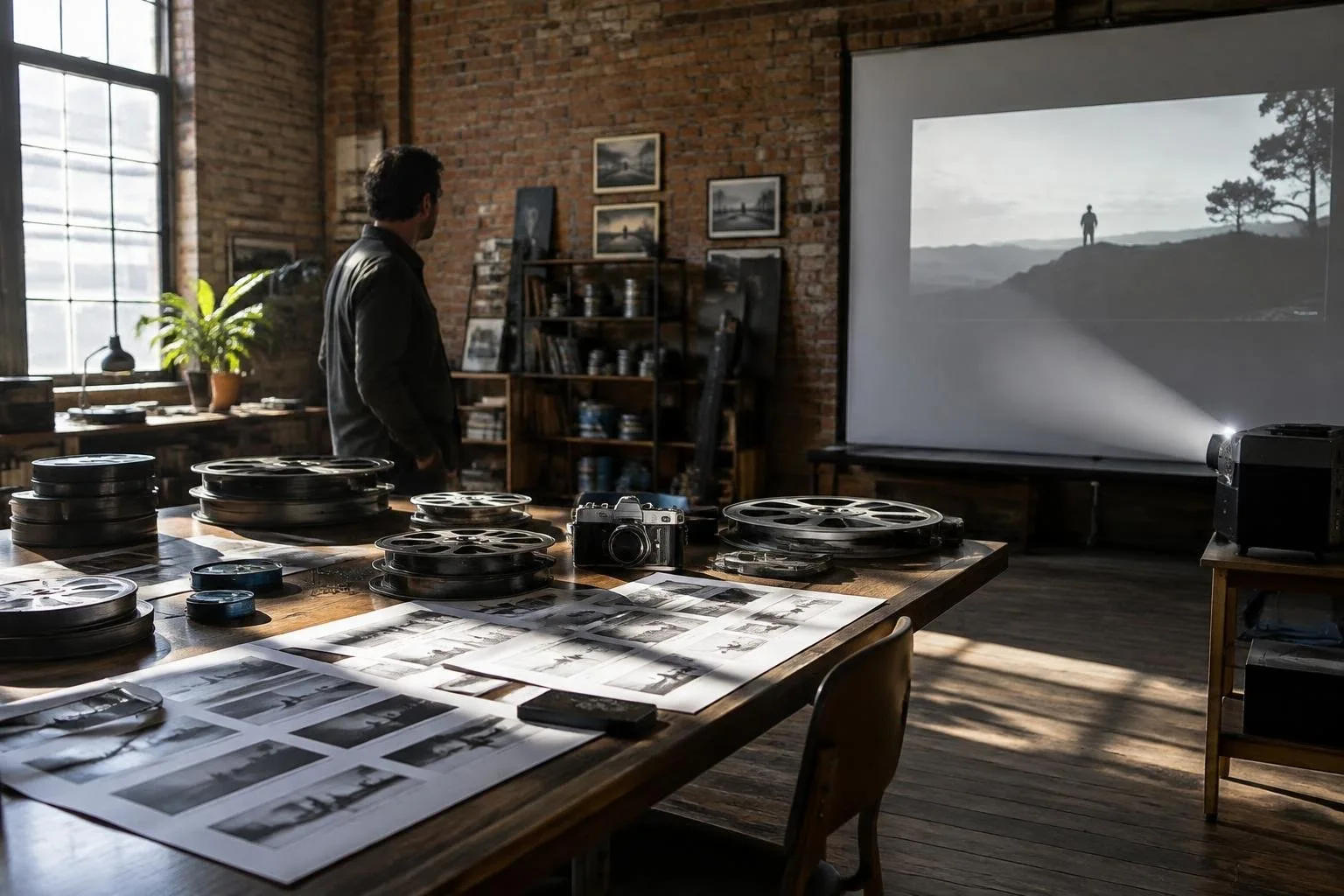
The completion of post-production on The Wrong People marks the culmination of a sixty-year journey that transcends typical Hollywood timelines. Adapted from Robin Maugham’s 1967 novel, this thriller exposes human trafficking in North Africa during the sixties. For Jordan Wells, Senior LGBTQ+ Culture and Politics Editor, the film’s arrival is not merely an entertainment milestone but a significant intersection with the ongoing legislative battles facing the community. The narrative follows Arnold Turner, a gay boarding-school teacher in England who seeks respite from repression in the UK, where homosexuality remained illegal at the time of the story’s setting.
This context underscores the argument that authentic representation is a political act. While corporate entities often engage in diversity optics, the reality for LGBTQ+ creators involves fighting for rights both on screen and behind the camera. The project was first announced as a feature film in 1972, yet it faced decades of delays. It was championed by Oscar nominee Sal Mineo, who spent years attempting to finance the adaptation before his untimely death in 1976. Producer Stephen Israel noted, “The team has worked for many years to make this project a reality,” adding, “we are excited to have finally achieved what Sal had hoped for. We dedicate this film to him.”
Historical Context and Creative Vision
Maugham, a war veteran and politician, used his place in the House of Lords to expose human trafficking when few wanted to listen. His first explicitly gay-themed novel garnered controversy upon publication because homosexuality was still illegal in Britain for most of the 1960s. Originally published under a pseudonym after Somerset Maugham advised his nephew Robin Maugham “they will kill you“, the work reflects the severe dangers faced by queer individuals during that era. Tom Abell of Peccadillo, which handles UK and Irish distribution rights, emphasized the bravery required to bring this story to the screen, noting the historical weight carried by the source material.
Directed by Steven Fierberg, the veteran cinematographer known for Emily In Paris and The Affair, the film features a cast including Luke Newberry, Caroline Goodall, Alec Newman, Calum Ross, Branka Katic, and Joe Anderson. Fierberg stated, “Steven and I have long wanted to work together,” reflecting on the collaboration with Israel. He described the story as examining “the depravity of human nature which some will exploit, and the corrosive effects of criminalizing sexual orientation.” This perspective aligns with the view that cinema can serve as a critical lens for understanding the impact of discriminatory laws.
Representation Beyond the Screen
The production involved shooting in-and-around London and Essaouira, Morocco, in early 2026. The involvement of LGBTQ+ specialist Peccadillo highlights the industry’s shift toward supporting narratives that challenge heteronormative standards. Executive producers Brett Husbands and Tom Abell represent a sector increasingly aware of the distinction between superficial inclusion and substantive storytelling. The script, written by David Griffin, was acquired from veteran UK screenwriter David McGillivray, whose earlier work on the project six years ago laid groundwork for this version.
Fierberg expressed gratitude for the ensemble, calling it a “dream cast.” The actors’ participation contributes to a broader cultural dialogue about identity and safety. By portraying characters navigating repression and exploitation, the film challenges audiences to consider the real-world consequences of legal frameworks that marginalize LGBTQ+ individuals. This approach moves beyond simple visibility, engaging directly with the political realities that shape queer lives.
As The Wrong People nears release, its significance lies in its ability to connect historical struggles with contemporary issues. The dedication to Sal Mineo serves as a reminder of the personal costs associated with advocacy in the arts. For readers interested in the intersection of culture and politics, the film offers a case study in how creative endeavors can sustain momentum for social change over decades, ensuring that the voices of marginalized communities are preserved and amplified through rigorous artistic integrity.