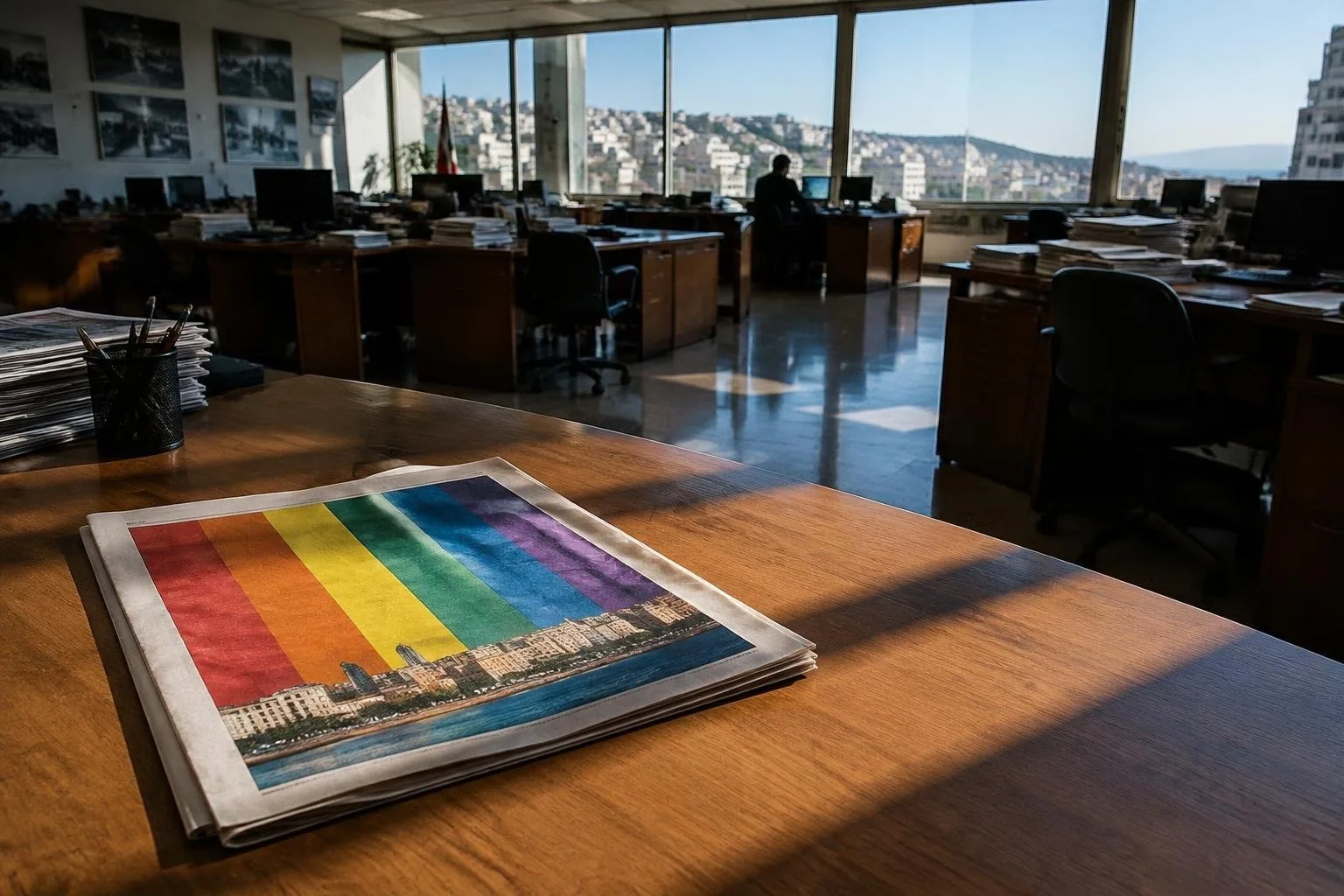
The legacy of “don’t ask, don’t tell” and earlier bans on homosexual service members continues to shape the lives of many LGBTQ+ veterans. In the United States, a coalition of nonprofits supplies everything from emergency cash to courtroom representation, while across the Atlantic the British Ministry of Defence has introduced a financial redress scheme for those discharged under the former ban.
Both efforts address a broader reality: serving the nation does not automatically secure safe housing, accessible health care, or the right to be openly oneself. The following sections outline the key American organisations that fill those gaps and explain the UK compensation programme that aims to repair decades of injustice.
American nonprofits that bridge the benefit gap for LGBTQ+ servicemembers
Eight groups dominate the support landscape for transgender service members and other LGBTQ+ veterans. Their work ranges from lobbying legislators to providing peer-to-peer networks.
SPARTA Pride
Founded to assist transgender personnel, SPARTA Pride runs a peer-support hotline, distributes emergency grants and educates lawmakers about the impact of the most recent trans-military bans. The organization also monitors involuntary separations that occurred during the Trump administration.
American Veterans for Equal Rights (AVER)
Since 1990, AVER has offered a nationwide community where gay, lesbian, bisexual and transgender veterans can celebrate their service. After two decades of advocacy that helped overturn “don’t ask, don’t tell,” AVER now focuses on protecting transgender service members from new exclusionary policies.
Modern Military Association of America (MMAA)
Born from the legacy of OutServe and the Servicemembers Legal Defense Network, MMAA advances policy change, runs family-focused programs and champions the rights of LGBTQ+ personnel living with HIV.
Disabled American Veterans (DAV)
DAV’s benefits counselors help over one million LGBTQ+ veterans navigate the Department of Veterans Affairs (VA). Since March 2025, the VA has restricted gender-affirming hormone therapy to a narrow pool of veterans, a limitation that DAV fights through advocacy and claims assistance.
Minority Veterans of America
Operating the Q’mmunity House in Washington State, Minority Vets supplies transitional housing, case management and leadership training for LGBTQ+ veterans, while its Equity, Inclusion and Justice Summit highlights intersecting barriers faced by minority servicemembers.
Blue Alliance
Formed in 2007, Blue Alliance creates a non-political space for Air Force Academy alumni and cadets who identify as LGBTQ+. Events feature speakers such as former Governor Jared Polis and retired General Mark Welsh, fostering mentorship and networking.
Transgender American Veterans Association (TAVA)
TAVA litigates for access to gender-affirming surgery through the VA and promotes visibility through activities like Transgender Day of Visibility. Its 2024 lawsuit seeks to overturn the VA’s narrowed coverage policy.
National Institute of Military Justice (NIMJ)
Founded in 1991, NIMJ files amicus briefs in Supreme Court cases to safeguard fairness in the military justice system, often supporting LGBTQ+ service-member challenges.
Collectively, these organisations form a safety net that addresses the legal, medical and social dimensions of service after discharge, ensuring that a thank-you alone is insufficient.
Britain’s compensation scheme for veterans harmed by the historic gay ban
From 1967 until 2000, the British Armed Forces barred openly gay, lesbian, bisexual or transgender individuals. The ban carried penalties including imprisonment, loss of pension, removal of medals and discharge. A European Court of human rights decision in 2000 forced the Ministry of Defence (MoD) to lift the restriction.
Caroline Paige, the first transgender officer in the Royal Air Force, spent 35 years in uniform, transitioning after 18 years of service. She later co-founded the charity Fighting With Pride, which campaigned for reparations. In 2021 the charity’s evidence prompted an independent review chaired by Lord Etherton, producing 49 recommendations for the MoD.
The MoD now accepts applications from anyone whose service was affected by the ban between 27 July 1967 and 11 January 2000. Those who were administratively dismissed or discharged may receive a lump-sum payment of £50,000. Veterans who experienced harassment, investigations or other mistreatment can claim up to £20,000.
Eligibility does not require applicants to locate service records; the MoD will retrieve them. The deadline for claims is 12 December 2026. According to Paige, many veterans remain unaware of the scheme or are hesitant to apply because memories fade or they doubt their entitlement.
The compensation programme aims to address a range of harms: loss of employment opportunities due to discriminatory discharge notes, homelessness, family rejection and long-term health issues linked to the stress of concealment. By offering financial redress, the government acknowledges the systemic injustice that persisted for more than three decades.
Both the United States and the United Kingdom illustrate how civil-society organisations and governmental action can combine to rectify the lingering effects of discriminatory military policies. While American NGOs focus on day-to-day assistance, the UK’s payout represents a concrete monetary acknowledgement of past wrongs.