
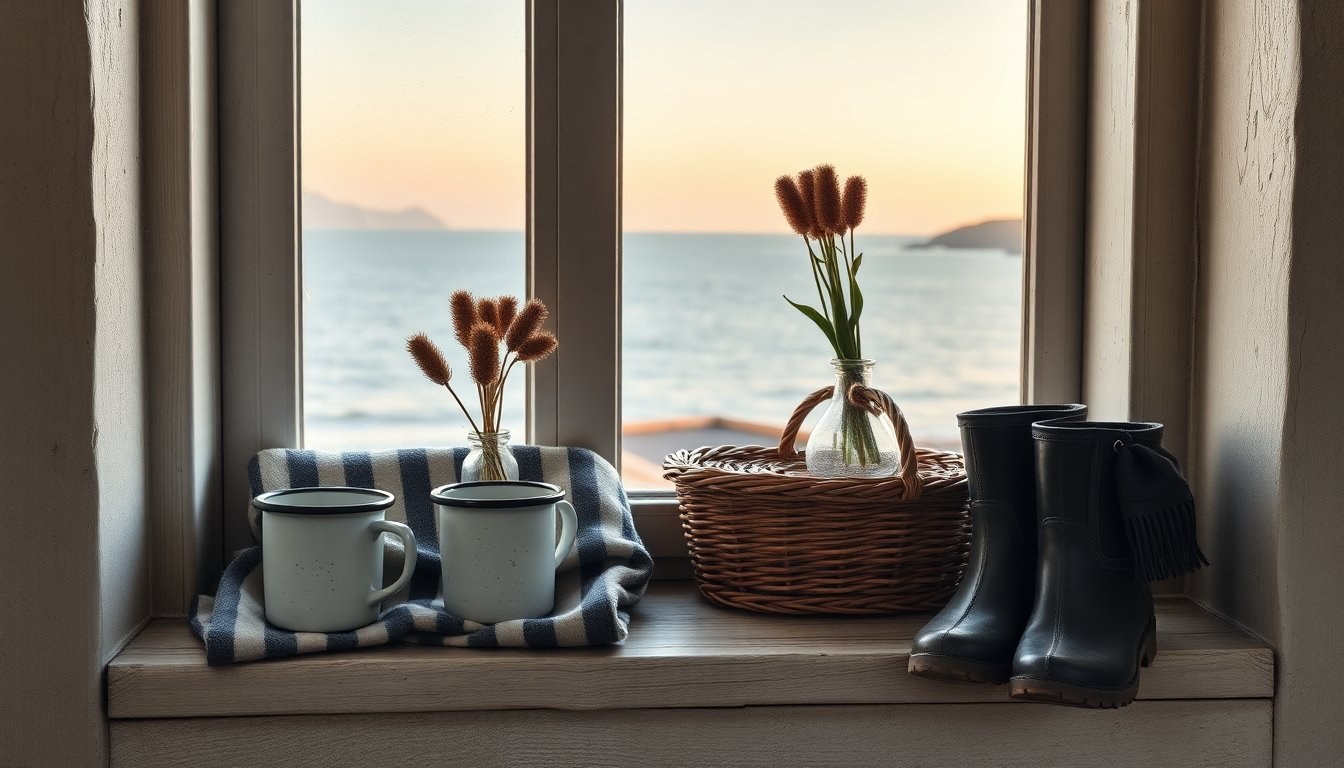
The first image of this portrait is of sea and sky meeting along a Breton shore. In a feature published 05/05/2026 10:29 and illustrated by photographer Yvelizra for Têtu, readers meet Yuna and Mari-Soraya, a couple who relocated to Logonna-Daoulas near Brest to embrace a different pace. Their move did not mean a retreat from the networks that mattered; instead they reshaped their life to keep an active chosen family. The spring issue of the magazine, available at kiosks or by subscription, traces how place, people and practice intersect in a modern coastal setting.
The couple’s story reads as a lesson in balance: they sought the seclusion of the tip of Brittany without severing social ties. Their everyday routine is threaded through the landscape, where tides mark time and neighbors become kin. This piece explores how geography, history and community expectations interact with personal freedoms and relational responsibilities, using the pair’s experience to reflect on broader themes facing LGBTQ+ people who choose quieter lives outside the city.
Choosing place and pace
Relocating to Finistère meant trading urban density for coastal openness. For Yuna and Mari-Soraya, the decision combined practical needs and emotional desires: more space, lower tempo and a landscape that frames daily life. The couple talks about mornings spent walking the shoreline and evenings hosting friends from the wider lesbian community, keeping relationships active even at distance. Their story highlights how a move can be both a personal refresh and a deliberate strategy to sustain a network, showing that mobility can strengthen rather than weaken the ties that form a chosen family.
Maintaining community on the edge
Living on the Breton coast has its logistical and cultural trade-offs. Access to specialized services, events and large community gatherings often means coordinating trips to Brest or joining networks online and by car. Yet the couple has found creative solutions: rotating weekends for gatherings, shared calendars, and inviting friends to stay in their home. These practices turn distance into intention, allowing the couple to host, support and participate. The narrative underscores how community life adapts when members are dispersed across less densely populated areas.
Practical strategies for connection
To keep bonds strong, Yuna and Mari-Soraya rely on both old and new tools. Regular video calls, a weekly potluck that becomes a larger monthly event, and collaborative errands create rhythm. The couple emphasizes that sustaining an active lesbian community requires deliberate planning: calendars are shared, help is coordinated for milestones, and travel is budgeted as part of social life. These small logistical decisions have outsized impact on emotional well-being and reinforce the importance of intentionality when living away from urban centers.
Identity, family and the sea
For them, identity is not left behind with the city skyline; instead it is re-expressed alongside maritime routines. Their home acts as both a sanctuary and a public gesture: a place where friends can gather, where conversations about rights and belonging happen at the dinner table. The couple’s approach demonstrates how personal freedom and communal responsibility coexist. They have deliberately cultivated a life that allows them to breathe in the open air of Logonna-Daoulas while remaining central to the networks that define their lesbian community.
Photographing belonging
The images by Yvelizra contribute a visual vocabulary to the story: candid moments of the couple on rocky outcrops, preparing meals for guests, and laughing in small living rooms. These photographs underline the article’s themes by showing how place and people form an ecosystem of support. Visual storytelling here acts as both document and invitation, inviting readers to imagine alternative configurations of life that preserve intimacy and solidarity even when geography changes.
Reflection and wider significance
The narrative of Yuna and Mari-Soraya is at once particular and emblematic. It speaks to anyone rethinking where and how to live while keeping ties to community and identity intact. Their experience suggests practical lessons for remote living, community maintenance and the prioritization of relationships. As the spring issue of Têtu shows, a coastal setting like Finistère can provide space for renewal without erasing the social bonds that sustain a chosen lesbian family.


