
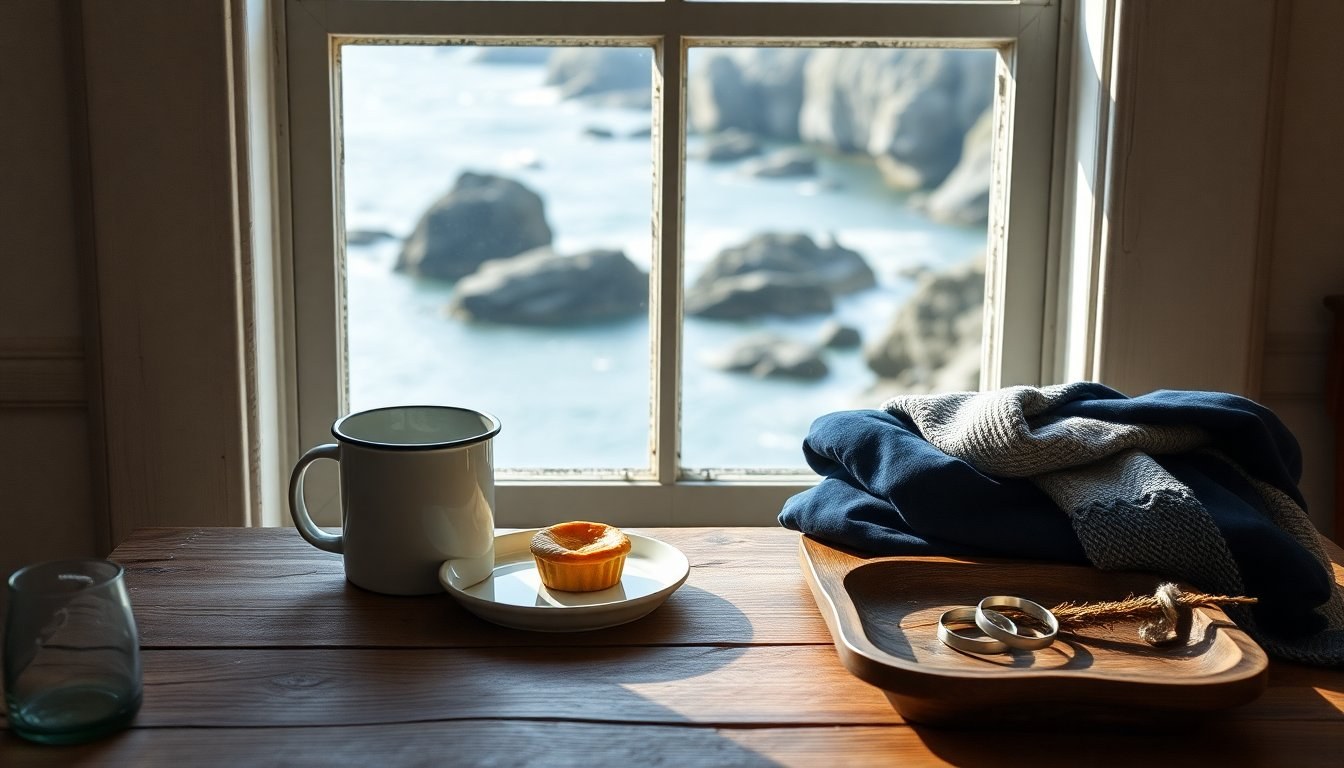
On the rugged shoreline of western Brittany two women have shaped a life that blends the rhythm of the sea with a quiet commitment to one another. In this profile we follow Yuna and Mari-Soraya as they settle into Logonna-Daoulas, a small community about thirty minutes from Brest. This story appeared in the spring magazine and was published 05/05/2026 10:29. The images that accompany this portrait were made by Yvelizra for têtu, and they capture both the landscape and the intimate details of daily life for this lesbian couple.
Choosing the coast: freedom and continuity
For Yuna and Mari-Soraya, moving to the Finistère shore was less about escape and more about arranging life on their own terms. They prioritized access to the sea, slow rhythms and a sense of safety without sacrificing ties to their chosen family. Here chosen family refers to the network of friends and allies who replace or supplement biological relatives, offering mutual support, celebration and care. The pair have deliberately kept that network active: dinners, shared projects and weekend gatherings weave a communal fabric that feels as important as the landscape that surrounds them.
Home and community
Their home is both a refuge and a hub. Neighbours know them by name and local routines are layered with familiar faces, yet the couple also protects intimate moments from constant public scrutiny. Balancing visibility with privacy is a daily negotiation: being present in town markets and community events while carving out interior spaces that belong exclusively to them. Strong ties to local tradespeople, volunteer groups and cultural projects have helped anchor their presence. These interactions illustrate how a lesbian couple can be fully integrated into village life while maintaining a distinct identity and a network of support.
Daily life: routines that sustain
Work, chores and creative pursuits follow the seasons. Mornings often start with walks along the coastline and tasks that keep the household running; afternoons might be spent on remote projects, gardening or collaborating with neighbors. In all of this, the couple emphasizes reciprocity: sharing skills, lending time and participating in local festivals. The material rhythms of coastal living—maintenance against salt air, planning for storms and timing the harvest from their garden—become metaphors for resilience. The practical demands of life here reinforce emotional bonds and underline why the chosen family remains central to their sense of belonging.
Challenges and resilience
No portrait of rural life is without its complications. Access to specialized services, reliable transport and broader social infrastructures can be limited, and those constraints test household strategies and networks. For Yuna and Mari-Soraya, that has meant leaning on friends, adapting routines and sometimes advocating for better local resources. Their experience highlights how social solidarity and mutual aid are not abstract values but concrete practices that sustain households. In facing those difficulties, the couple has developed practical skills and a community-first approach that amplify both their independence and their interdependence.
Visibility, representation and why it matters
The presence of queer stories outside big cities challenges common assumptions about where LGBT+ life happens. By choosing the Finistère coast, Yuna and Mari-Soraya expand the map of representation: their daily choices, friendships and household arrangements become a quiet form of visibility. Photographs by Yvelizra and the feature in têtu help translate private routines into a public narrative that others can recognize and learn from. Their story underscores the importance of diverse portrayals and suggests that freedom can coexist with rootedness, that authenticity is compatible with community-minded living.
This feature invites readers to consider how geography, relationships and activism intersect in unexpected places. Whether in the shared kitchen, at the town hall or on the beach at dusk, the interactions that sustain Yuna and Mari-Soraya are a reminder that family and freedom are practices as much as ideals. For more images and details, consult the spring magazine issue where this piece first appeared, with photography credited to Yvelizra for têtu.


